RESULTS Act
USA119th CongressHR-5269| House
| Updated: 9/10/2025
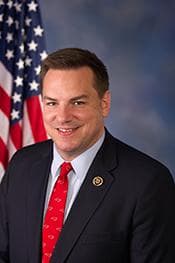
Richard Hudson
Republican Representative
North Carolina
Cosponsors (69)
Marc A. Veasey (Democratic)Mark Pocan (Democratic)Darren Soto (Democratic)Neal P. Dunn (Republican)Robert J. Wittman (Republican)Greg Landsman (Democratic)Pablo Jose Hernández (Democratic)Mike Carey (Republican)Claudia Tenney (Republican)Beth Van Duyne (Republican)Terri A. Sewell (Democratic)Eugene Simon Vindman (Democratic)Steven Horsford (Democratic)Jimmy Panetta (Democratic)David Rouzer (Republican)Debbie Dingell (Democratic)Steve Cohen (Democratic)Suzan K. DelBene (Democratic)Scott H. Peters (Democratic)Angie Craig (Democratic)Donald G. Davis (Democratic)Thomas R. Suozzi (Democratic)Earl L. "Buddy" Carter (Republican)Shri Thanedar (Democratic)Danny K. Davis (Democratic)Michael A. Rulli (Republican)Jake Auchincloss (Democratic)Thomas H. Kean (Republican)Gus M. Bilirakis (Republican)Carol D. Miller (Republican)Mike Kelly (Republican)Mike Kennedy (Republican)Kat Cammack (Republican)John Joyce (Republican)Raja Krishnamoorthi (Democratic)Cliff Bentz (Republican)Brittany Pettersen (Democratic)Nicholas A. Langworthy (Republican)Blake D. Moore (Republican)Laurel M. Lee (Republican)Pramila Jayapal (Democratic)Eleanor Holmes Norton (Democratic)Sharice Davids (Democratic)August Pfluger (Republican)Nellie Pou (Democratic)Joe Neguse (Democratic)Julia Brownley (Democratic)Sarah McBride (Democratic)Dan Crenshaw (Republican)Brian K. Fitzpatrick (Republican)Deborah K. Ross (Democratic)Juan Ciscomani (Republican)Lori Trahan (Democratic)Mike Thompson (Democratic)Burgess Owens (Republican)Randy K. Sr. Weber (Republican)Chuck Edwards (Republican)Lizzie Fletcher (Democratic)Josh Gottheimer (Democratic)Linda T. Sánchez (Democratic)Zoe Lofgren (Democratic)Nanette Diaz Barragán (Democratic)Michael Lawler (Republican)Robert P. Bresnahan (Republican)Kevin Mullin (Democratic)Bradley Scott Schneider (Democratic)Troy Balderson (Republican)Tim Moore (Republican)Mike Levin (Democratic)
Ways and Means Committee, Energy and Commerce Committee
- Introduced
- In Committee
- On Floor
- Passed Chamber
- Enacted
The "Reforming and Enhancing Sustainable Updates to Laboratory Testing Services Act of 2025," or RESULTS Act, seeks to ensure long-term stability for Medicare beneficiary access to clinical diagnostic laboratory tests. It proposes significant changes to how Medicare determines payment rates for these tests, primarily by improving the accuracy and feasibility of data collection from private payors. A central provision involves shifting the responsibility for collecting private payor data for certain tests to an independent entity. Specifically, for "widely available non-ADLT clinical diagnostic laboratory tests" (common tests that are not advanced), starting January 1, 2028, the Secretary of Health and Human Services must contract with a qualifying independent claims data entity . This entity, a national nonprofit, will provide applicable information from its qualifying comprehensive claims database , which must contain at least 50 billion claims from over 50 private payors and meet strict criteria for representativeness, data validation, and privacy. This aims to ensure a more robust and accurate reflection of market rates. The bill updates the definition of "applicable information" to focus on final payment rates , explicitly excluding denied, appealed, erroneous, or recouped payments, thereby enhancing data quality. It also modifies the calculation of the weighted median of private payor rates to incorporate this new data source. To prevent payment disruptions, the legislation establishes a default mechanism: if the Secretary cannot contract with an independent entity or if data is unavailable, payment for widely available non-ADLTs will be adjusted by the Consumer Price Index. For "non-widely available non-ADLT clinical diagnostic laboratory tests" lacking reported data, payment will be determined through "cross-walking" to comparable tests or a "gapfilling" process. The bill also mandates that the Secretary publicly explain payment rates, including supporting data, to improve transparency. Furthermore, it revises the annual payment reduction limits, extending the 10% cap until 2028 and setting a 5% cap for 2029 and subsequent years, aiming to provide more predictable payment adjustments.
View Full TextSuggested Questions
Get AI-generated questions to help you understand this bill better
Timeline
Introduced in House
Referred to the Committee on Energy and Commerce, and in addition to the Committee on Ways and Means, for a period to be subsequently determined by the Speaker, in each case for consideration of such provisions as fall within the jurisdiction of the committee concerned.
Health
RESULTS Act
USA119th CongressHR-5269| House
| Updated: 9/10/2025
The "Reforming and Enhancing Sustainable Updates to Laboratory Testing Services Act of 2025," or RESULTS Act, seeks to ensure long-term stability for Medicare beneficiary access to clinical diagnostic laboratory tests. It proposes significant changes to how Medicare determines payment rates for these tests, primarily by improving the accuracy and feasibility of data collection from private payors. A central provision involves shifting the responsibility for collecting private payor data for certain tests to an independent entity. Specifically, for "widely available non-ADLT clinical diagnostic laboratory tests" (common tests that are not advanced), starting January 1, 2028, the Secretary of Health and Human Services must contract with a qualifying independent claims data entity . This entity, a national nonprofit, will provide applicable information from its qualifying comprehensive claims database , which must contain at least 50 billion claims from over 50 private payors and meet strict criteria for representativeness, data validation, and privacy. This aims to ensure a more robust and accurate reflection of market rates. The bill updates the definition of "applicable information" to focus on final payment rates , explicitly excluding denied, appealed, erroneous, or recouped payments, thereby enhancing data quality. It also modifies the calculation of the weighted median of private payor rates to incorporate this new data source. To prevent payment disruptions, the legislation establishes a default mechanism: if the Secretary cannot contract with an independent entity or if data is unavailable, payment for widely available non-ADLTs will be adjusted by the Consumer Price Index. For "non-widely available non-ADLT clinical diagnostic laboratory tests" lacking reported data, payment will be determined through "cross-walking" to comparable tests or a "gapfilling" process. The bill also mandates that the Secretary publicly explain payment rates, including supporting data, to improve transparency. Furthermore, it revises the annual payment reduction limits, extending the 10% cap until 2028 and setting a 5% cap for 2029 and subsequent years, aiming to provide more predictable payment adjustments.
View Full TextSuggested Questions
Get AI-generated questions to help you understand this bill better
Timeline
Introduced in House
Referred to the Committee on Energy and Commerce, and in addition to the Committee on Ways and Means, for a period to be subsequently determined by the Speaker, in each case for consideration of such provisions as fall within the jurisdiction of the committee concerned.
Richard Hudson
Republican Representative
North Carolina
Cosponsors (69)
Marc A. Veasey (Democratic)Mark Pocan (Democratic)Darren Soto (Democratic)Neal P. Dunn (Republican)Robert J. Wittman (Republican)Greg Landsman (Democratic)Pablo Jose Hernández (Democratic)Mike Carey (Republican)Claudia Tenney (Republican)Beth Van Duyne (Republican)Terri A. Sewell (Democratic)Eugene Simon Vindman (Democratic)Steven Horsford (Democratic)Jimmy Panetta (Democratic)David Rouzer (Republican)Debbie Dingell (Democratic)Steve Cohen (Democratic)Suzan K. DelBene (Democratic)Scott H. Peters (Democratic)Angie Craig (Democratic)Donald G. Davis (Democratic)Thomas R. Suozzi (Democratic)Earl L. "Buddy" Carter (Republican)Shri Thanedar (Democratic)Danny K. Davis (Democratic)Michael A. Rulli (Republican)Jake Auchincloss (Democratic)Thomas H. Kean (Republican)Gus M. Bilirakis (Republican)Carol D. Miller (Republican)Mike Kelly (Republican)Mike Kennedy (Republican)Kat Cammack (Republican)John Joyce (Republican)Raja Krishnamoorthi (Democratic)Cliff Bentz (Republican)Brittany Pettersen (Democratic)Nicholas A. Langworthy (Republican)Blake D. Moore (Republican)Laurel M. Lee (Republican)Pramila Jayapal (Democratic)Eleanor Holmes Norton (Democratic)Sharice Davids (Democratic)August Pfluger (Republican)Nellie Pou (Democratic)Joe Neguse (Democratic)Julia Brownley (Democratic)Sarah McBride (Democratic)Dan Crenshaw (Republican)Brian K. Fitzpatrick (Republican)Deborah K. Ross (Democratic)Juan Ciscomani (Republican)Lori Trahan (Democratic)Mike Thompson (Democratic)Burgess Owens (Republican)Randy K. Sr. Weber (Republican)Chuck Edwards (Republican)Lizzie Fletcher (Democratic)Josh Gottheimer (Democratic)Linda T. Sánchez (Democratic)Zoe Lofgren (Democratic)Nanette Diaz Barragán (Democratic)Michael Lawler (Republican)Robert P. Bresnahan (Republican)Kevin Mullin (Democratic)Bradley Scott Schneider (Democratic)Troy Balderson (Republican)Tim Moore (Republican)Mike Levin (Democratic)
Ways and Means Committee, Energy and Commerce Committee
Health
Related Bills
- Introduced
- In Committee
- On Floor
- Passed Chamber
- Enacted