Tax Excessive CEO Pay Act of 2025
USA119th CongressHR-5298| House
| Updated: 9/11/2025
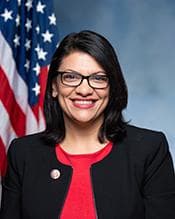
Rashida Tlaib
Democratic Representative
Michigan
Cosponsors (26)
Becca Balint (Democratic)Jonathan L. Jackson (Democratic)Jared Huffman (Democratic)Christopher R. Deluzio (Democratic)Ilhan Omar (Democratic)Steve Cohen (Democratic)Delia C. Ramirez (Democratic)Greg Casar (Democratic)Shri Thanedar (Democratic)Ro Khanna (Democratic)Daniel S. Goldman (Democratic)Pramila Jayapal (Democratic)Eleanor Holmes Norton (Democratic)Bonnie Watson Coleman (Democratic)Lateefah Simon (Democratic)James P. McGovern (Democratic)Summer L. Lee (Democratic)Julia Brownley (Democratic)Yvette D. Clarke (Democratic)Emily Randall (Democratic)Jesús G. "Chuy" García (Democratic)Frank Pallone (Democratic)Grace Meng (Democratic)Kweisi Mfume (Democratic)Ayanna Pressley (Democratic)Chellie Pingree (Democratic)
Ways and Means Committee
- Introduced
- In Committee
- On Floor
- Passed Chamber
- Enacted
This bill seeks to amend the Internal Revenue Code of 1986 by implementing a corporate tax rate increase for companies exhibiting a high ratio of executive to median worker compensation. Specifically, corporations where the compensation of the highest-paid employee exceeds the median worker's pay by more than 50 to 1 would face an additional tax. The proposed tax increase would be a penalty added to the existing 21 percent corporate tax rate, escalating from 0.5 percentage points for ratios between 50:1 and 100:1, up to 5 percentage points for ratios exceeding 500:1. The bill defines the pay ratio using a five-year annualized average of compensation, considering the highest-paid employee if not the principal executive officer. While publicly traded companies would use existing SEC definitions, private corporations with annual gross receipts of at least $100 million would be required to calculate and report their pay ratio. However, private corporations with less than $100 million in gross receipts would be exempt from this tax increase. The Secretary of the Treasury would be authorized to issue regulations to prevent avoidance, such as manipulating the ratio through workforce changes like using contractors.
View Full TextSuggested Questions
Get AI-generated questions to help you understand this bill better
Timeline
Introduced in House
Sponsor introductory remarks on measure. (CR H4168-4169)
Introduced in House
Referred to the House Committee on Ways and Means.
Taxation
Tax Excessive CEO Pay Act of 2025
USA119th CongressHR-5298| House
| Updated: 9/11/2025
This bill seeks to amend the Internal Revenue Code of 1986 by implementing a corporate tax rate increase for companies exhibiting a high ratio of executive to median worker compensation. Specifically, corporations where the compensation of the highest-paid employee exceeds the median worker's pay by more than 50 to 1 would face an additional tax. The proposed tax increase would be a penalty added to the existing 21 percent corporate tax rate, escalating from 0.5 percentage points for ratios between 50:1 and 100:1, up to 5 percentage points for ratios exceeding 500:1. The bill defines the pay ratio using a five-year annualized average of compensation, considering the highest-paid employee if not the principal executive officer. While publicly traded companies would use existing SEC definitions, private corporations with annual gross receipts of at least $100 million would be required to calculate and report their pay ratio. However, private corporations with less than $100 million in gross receipts would be exempt from this tax increase. The Secretary of the Treasury would be authorized to issue regulations to prevent avoidance, such as manipulating the ratio through workforce changes like using contractors.
View Full TextSuggested Questions
Get AI-generated questions to help you understand this bill better
Timeline
Introduced in House
Sponsor introductory remarks on measure. (CR H4168-4169)
Introduced in House
Referred to the House Committee on Ways and Means.
Rashida Tlaib
Democratic Representative
Michigan
Cosponsors (26)
Becca Balint (Democratic)Jonathan L. Jackson (Democratic)Jared Huffman (Democratic)Christopher R. Deluzio (Democratic)Ilhan Omar (Democratic)Steve Cohen (Democratic)Delia C. Ramirez (Democratic)Greg Casar (Democratic)Shri Thanedar (Democratic)Ro Khanna (Democratic)Daniel S. Goldman (Democratic)Pramila Jayapal (Democratic)Eleanor Holmes Norton (Democratic)Bonnie Watson Coleman (Democratic)Lateefah Simon (Democratic)James P. McGovern (Democratic)Summer L. Lee (Democratic)Julia Brownley (Democratic)Yvette D. Clarke (Democratic)Emily Randall (Democratic)Jesús G. "Chuy" García (Democratic)Frank Pallone (Democratic)Grace Meng (Democratic)Kweisi Mfume (Democratic)Ayanna Pressley (Democratic)Chellie Pingree (Democratic)
Ways and Means Committee
Taxation
Related Bills
- Introduced
- In Committee
- On Floor
- Passed Chamber
- Enacted