FAIR Act of 2025
USA119th CongressHR-5350| House
| Updated: 9/15/2025
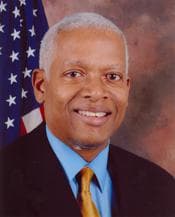
Henry C. "Hank" Johnson
Democratic Representative
Georgia
Cosponsors (66)
Dwight Evans (Democratic)Donald Norcross (Democratic)Nikema Williams (Democratic)Jared F. Golden (Democratic)Sylvia R. Garcia (Democratic)Chris Pappas (Democratic)Jared Huffman (Democratic)Robin L. Kelly (Democratic)Robert Garcia (Democratic)Mark Pocan (Democratic)Robert Menendez (Democratic)Jennifer L. McClellan (Democratic)Christopher R. Deluzio (Democratic)Emanuel Cleaver (Democratic)Bill Foster (Democratic)Ilhan Omar (Democratic)Frederica S. Wilson (Democratic)Troy A. Carter (Democratic)Eric Swalwell (Democratic)Madeleine Dean (Democratic)Suzan K. DelBene (Democratic)Scott H. Peters (Democratic)Andrea Salinas (Democratic)Paul Tonko (Democratic)Greg Casar (Democratic)Shri Thanedar (Democratic)Frank J. Mrvan (Democratic)Ted Lieu (Democratic)Ro Khanna (Democratic)Greg Stanton (Democratic)Jasmine Crockett (Democratic)Derek Tran (Democratic)André Carson (Democratic)Joaquin Castro (Democratic)Mark DeSaulnier (Democratic)Joseph D. Morelle (Democratic)Emilia Strong Sykes (Democratic)Morgan McGarvey (Democratic)Pramila Jayapal (Democratic)Betty McCollum (Democratic)Eleanor Holmes Norton (Democratic)Brad Sherman (Democratic)Mary Gay Scanlon (Democratic)Lateefah Simon (Democratic)Joe Neguse (Democratic)Mike Quigley (Democratic)Lois Frankel (Democratic)Sean Casten (Democratic)Alexandria Ocasio-Cortez (Democratic)Summer L. Lee (Democratic)Adam Smith (Democratic)Julia Brownley (Democratic)Seth Magaziner (Democratic)Sarah McBride (Democratic)Deborah K. Ross (Democratic)Suzanne Bonamici (Democratic)Lizzie Fletcher (Democratic)Josh Gottheimer (Democratic)Nanette Diaz Barragán (Democratic)Jesús G. "Chuy" García (Democratic)Teresa Leger Fernandez (Democratic)Rashida Tlaib (Democratic)Ayanna Pressley (Democratic)Lloyd Doggett (Democratic)Chellie Pingree (Democratic)Judy Chu (Democratic)
Judiciary Committee
- Introduced
- In Committee
- On Floor
- Passed Chamber
- Enacted
The Forced Arbitration Injustice Repeal Act of 2025, or FAIR Act of 2025, aims to significantly reform arbitration law by prohibiting the enforcement of predispute arbitration agreements . Specifically, it invalidates any agreement made before a dispute arises that would force arbitration for future employment, consumer, antitrust, or civil rights disputes . The bill also prohibits predispute joint-action waivers , which prevent individuals from participating in class or collective actions in these dispute categories. This legislation ensures that individuals, workers, and small businesses retain their right to pursue these types of claims in a judicial forum, including through joint, class, or collective actions. A crucial provision dictates that a court, not an arbitrator, will determine whether this chapter applies to an agreement and its validity. While generally applying broadly, the Act carves out an exception for arbitration provisions within collective bargaining agreements, provided they do not waive a worker's right to judicial enforcement of constitutional or statutory rights. The Act will take effect upon enactment and apply to any dispute or claim that arises or accrues on or after that date. It explicitly clarifies that nothing in the legislation is intended to prohibit the use of arbitration on a voluntary basis once a dispute has already arisen, focusing solely on preventing mandatory predispute arbitration.
View Full TextSuggested Questions
Get AI-generated questions to help you understand this bill better
Timeline
Introduced in House
Referred to the House Committee on the Judiciary.
Law
FAIR Act of 2025
USA119th CongressHR-5350| House
| Updated: 9/15/2025
The Forced Arbitration Injustice Repeal Act of 2025, or FAIR Act of 2025, aims to significantly reform arbitration law by prohibiting the enforcement of predispute arbitration agreements . Specifically, it invalidates any agreement made before a dispute arises that would force arbitration for future employment, consumer, antitrust, or civil rights disputes . The bill also prohibits predispute joint-action waivers , which prevent individuals from participating in class or collective actions in these dispute categories. This legislation ensures that individuals, workers, and small businesses retain their right to pursue these types of claims in a judicial forum, including through joint, class, or collective actions. A crucial provision dictates that a court, not an arbitrator, will determine whether this chapter applies to an agreement and its validity. While generally applying broadly, the Act carves out an exception for arbitration provisions within collective bargaining agreements, provided they do not waive a worker's right to judicial enforcement of constitutional or statutory rights. The Act will take effect upon enactment and apply to any dispute or claim that arises or accrues on or after that date. It explicitly clarifies that nothing in the legislation is intended to prohibit the use of arbitration on a voluntary basis once a dispute has already arisen, focusing solely on preventing mandatory predispute arbitration.
View Full TextSuggested Questions
Get AI-generated questions to help you understand this bill better
Timeline
Introduced in House
Referred to the House Committee on the Judiciary.
Henry C. "Hank" Johnson
Democratic Representative
Georgia
Cosponsors (66)
Dwight Evans (Democratic)Donald Norcross (Democratic)Nikema Williams (Democratic)Jared F. Golden (Democratic)Sylvia R. Garcia (Democratic)Chris Pappas (Democratic)Jared Huffman (Democratic)Robin L. Kelly (Democratic)Robert Garcia (Democratic)Mark Pocan (Democratic)Robert Menendez (Democratic)Jennifer L. McClellan (Democratic)Christopher R. Deluzio (Democratic)Emanuel Cleaver (Democratic)Bill Foster (Democratic)Ilhan Omar (Democratic)Frederica S. Wilson (Democratic)Troy A. Carter (Democratic)Eric Swalwell (Democratic)Madeleine Dean (Democratic)Suzan K. DelBene (Democratic)Scott H. Peters (Democratic)Andrea Salinas (Democratic)Paul Tonko (Democratic)Greg Casar (Democratic)Shri Thanedar (Democratic)Frank J. Mrvan (Democratic)Ted Lieu (Democratic)Ro Khanna (Democratic)Greg Stanton (Democratic)Jasmine Crockett (Democratic)Derek Tran (Democratic)André Carson (Democratic)Joaquin Castro (Democratic)Mark DeSaulnier (Democratic)Joseph D. Morelle (Democratic)Emilia Strong Sykes (Democratic)Morgan McGarvey (Democratic)Pramila Jayapal (Democratic)Betty McCollum (Democratic)Eleanor Holmes Norton (Democratic)Brad Sherman (Democratic)Mary Gay Scanlon (Democratic)Lateefah Simon (Democratic)Joe Neguse (Democratic)Mike Quigley (Democratic)Lois Frankel (Democratic)Sean Casten (Democratic)Alexandria Ocasio-Cortez (Democratic)Summer L. Lee (Democratic)Adam Smith (Democratic)Julia Brownley (Democratic)Seth Magaziner (Democratic)Sarah McBride (Democratic)Deborah K. Ross (Democratic)Suzanne Bonamici (Democratic)Lizzie Fletcher (Democratic)Josh Gottheimer (Democratic)Nanette Diaz Barragán (Democratic)Jesús G. "Chuy" García (Democratic)Teresa Leger Fernandez (Democratic)Rashida Tlaib (Democratic)Ayanna Pressley (Democratic)Lloyd Doggett (Democratic)Chellie Pingree (Democratic)Judy Chu (Democratic)
Judiciary Committee
Law
- Introduced
- In Committee
- On Floor
- Passed Chamber
- Enacted