Energizing Our Communities Act
USA119th CongressHR-5424| House
| Updated: 9/17/2025
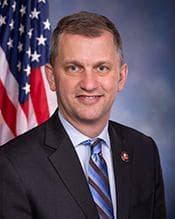
Sean Casten
Democratic Representative
Illinois
Energy and Commerce Committee
- Introduced
- In Committee
- On Floor
- Passed Chamber
- Enacted
The "Energizing Our Communities Act" establishes a new Community Economic Development Transmission Fund to support communities hosting significant electric power transmission lines and to promote conservation and recreation. This Fund will be managed by the Secretary of Energy and will receive a portion of the interest collected from specific federal loans for eligible transmission projects, particularly those capable of transmitting 999 megawatts or more. Host communities, defined as local governments or Indian Tribes with jurisdiction over land where eligible projects are carried out, can receive payments from this Fund. Payments are made after construction commences, upon the community's request, and are determined by a formula that considers community input and includes a minimum for small populations. These funds are provided in addition to any existing payments in lieu of taxes. Host communities can use up to 80 percent of the received funds for broad community support, including improving existing infrastructure like schools, hospitals, and roads, expanding essential public services, or enhancing broadband access. The bill mandates that at least 20 percent of the funds be allocated to conservation, stewardship, or recreation purposes. This includes restoring wildlife habitats, preserving public land access, developing outdoor recreation facilities, and implementing natural climate solutions such as wildfire resilience or carbon sequestration programs.
View Full TextSuggested Questions
Get AI-generated questions to help you understand this bill better
Timeline
Introduced in House
Referred to the House Committee on Energy and Commerce.
Energy
Energizing Our Communities Act
USA119th CongressHR-5424| House
| Updated: 9/17/2025
The "Energizing Our Communities Act" establishes a new Community Economic Development Transmission Fund to support communities hosting significant electric power transmission lines and to promote conservation and recreation. This Fund will be managed by the Secretary of Energy and will receive a portion of the interest collected from specific federal loans for eligible transmission projects, particularly those capable of transmitting 999 megawatts or more. Host communities, defined as local governments or Indian Tribes with jurisdiction over land where eligible projects are carried out, can receive payments from this Fund. Payments are made after construction commences, upon the community's request, and are determined by a formula that considers community input and includes a minimum for small populations. These funds are provided in addition to any existing payments in lieu of taxes. Host communities can use up to 80 percent of the received funds for broad community support, including improving existing infrastructure like schools, hospitals, and roads, expanding essential public services, or enhancing broadband access. The bill mandates that at least 20 percent of the funds be allocated to conservation, stewardship, or recreation purposes. This includes restoring wildlife habitats, preserving public land access, developing outdoor recreation facilities, and implementing natural climate solutions such as wildfire resilience or carbon sequestration programs.
View Full TextSuggested Questions
Get AI-generated questions to help you understand this bill better
Timeline
Introduced in House
Referred to the House Committee on Energy and Commerce.
Sean Casten
Democratic Representative
Illinois
Energy and Commerce Committee
Energy
Related Bills
- Introduced
- In Committee
- On Floor
- Passed Chamber
- Enacted