Wildfire Smoke Relief Act
USA119th CongressHR-5481| House
| Updated: 9/18/2025
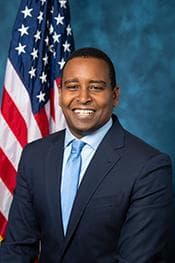
Joe Neguse
Democratic Representative
Colorado
Cosponsors (5)
Transportation and Infrastructure Committee
- Introduced
- In Committee
- On Floor
- Passed Chamber
- Enacted
The "Wildfire Smoke Relief Act" authorizes the Federal Emergency Management Agency (FEMA) to expand its Transitional Sheltering Assistance Program to address unhealthy air quality caused by wildfires. This program would provide aid to individuals living in areas where the air quality index is unhealthy for at least three consecutive days due to wildfire smoke. The assistance targets those deemed at risk of wildfire smoke-related illness , including vulnerable populations such as low-income individuals, children, pregnant women, seniors, and those with chronic health conditions. Qualified entities, including State or local governments and public health authorities, would receive FEMA assistance to procure and distribute smoke-inhalation prevention equipment . This equipment includes portable air filtration units, air filters, N95 or P100 respirators, and low-cost items like weather strips or portable air-conditioning units to keep smoke out of homes. If such equipment proves insufficient to mitigate health risks, the program further authorizes providing cost-efficient transitional shelter assistance to ensure the safety of affected individuals.
View Full TextSuggested Questions
Get AI-generated questions to help you understand this bill better
Timeline
Introduced in House
Referred to the House Committee on Transportation and Infrastructure.
Emergency Management
Wildfire Smoke Relief Act
USA119th CongressHR-5481| House
| Updated: 9/18/2025
The "Wildfire Smoke Relief Act" authorizes the Federal Emergency Management Agency (FEMA) to expand its Transitional Sheltering Assistance Program to address unhealthy air quality caused by wildfires. This program would provide aid to individuals living in areas where the air quality index is unhealthy for at least three consecutive days due to wildfire smoke. The assistance targets those deemed at risk of wildfire smoke-related illness , including vulnerable populations such as low-income individuals, children, pregnant women, seniors, and those with chronic health conditions. Qualified entities, including State or local governments and public health authorities, would receive FEMA assistance to procure and distribute smoke-inhalation prevention equipment . This equipment includes portable air filtration units, air filters, N95 or P100 respirators, and low-cost items like weather strips or portable air-conditioning units to keep smoke out of homes. If such equipment proves insufficient to mitigate health risks, the program further authorizes providing cost-efficient transitional shelter assistance to ensure the safety of affected individuals.
View Full TextSuggested Questions
Get AI-generated questions to help you understand this bill better
Timeline
Introduced in House
Referred to the House Committee on Transportation and Infrastructure.
Joe Neguse
Democratic Representative
Colorado
Cosponsors (5)
Transportation and Infrastructure Committee
Emergency Management
Related Bills
- Introduced
- In Committee
- On Floor
- Passed Chamber
- Enacted