BLUE Pacific Act
USA119th CongressHR-562| House
| Updated: 1/20/2025
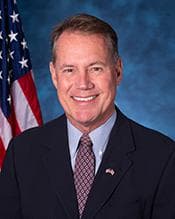
Ed Case
Democratic Representative
Hawaii
Cosponsors (14)
Donald Norcross (Democratic)Zachary Nunn (Republican)Dina Titus (Democratic)Thomas R. Suozzi (Democratic)Jill N. Tokuda (Democratic)Marilyn Strickland (Democratic)Raja Krishnamoorthi (Democratic)Ami Bera (Democratic)Brad Sherman (Democratic)Aumua Amata Coleman Radewagen (Republican)James C. Moylan (Republican)Rick Larsen (Democratic)Brian K. Fitzpatrick (Republican)Josh Gottheimer (Democratic)
Ways and Means Committee, Foreign Affairs Committee, Natural Resources Committee
- Introduced
- In Committee
- On Floor
- Passed Chamber
- Enacted
This legislation, known as the "BLUE Pacific Act," aims to advance a comprehensive, long-term United States strategy and policy for the Pacific Islands. It seeks to strengthen U.S. engagement across various sectors, promoting peace, security, and prosperity while respecting the sovereignty and self-determination of Pacific Island nations. The bill outlines a policy to support a rules-based regional order, inclusive economic growth, and resilience to environmental challenges. A central provision requires the President to submit a "Strategy for Pacific Islands Partnership" every four years, detailing overarching goals, measurable objectives, and plans for regional security and infrastructure investment. This strategy will involve consultation with regional organizations, Pacific Island countries, civil society, and U.S. allies. The bill also mandates increased staffing for Pacific Islands issues across relevant U.S. agencies and the development of a strategic communications plan for the region. In terms of people-centered development, the Act authorizes assistance to improve public health outcomes and build health capacity, addressing issues from maternal health to communicable diseases. It also supports freedom of the press through media capacity building and the Indo-Pacific Media Advancement Program, aiming to counter misinformation and strengthen independent journalism. Educational and professional development programs for young leaders, expanded education assistance, and initiatives fostering people-to-people ties are also included. The bill establishes the Pacific Islands TRADES Program for workforce development in critical sectors like construction and tourism, focusing on local capacity building. It encourages the U.S. International Development Finance Corporation to prioritize investment incentive agreements with Pacific Island governments, particularly in Solomon Islands and Vanuatu. Furthermore, it mandates the establishment of a committee to coordinate engagement with civil society organizations in the Pacific Islands. For peace and security, the legislation authorizes assistance to build the capacity of local civilian and national security institutions, focusing on enhancing maritime security and combating transnational crime , including illegal, unreported, and unregulated (IUU) fishing. It also directs updates to various reports on transnational crime and assesses the role of the International Law Enforcement Academy in training Pacific Island participants. A senior official will be designated at the Department of State to administer the Compacts of Free Association. Economic development provisions include expanding and diversifying trade with the Pacific Islands, authorizing the U.S. Trade Representative to negotiate trade and investment framework agreements. A Trade Capacity Building Initiative will support human and institutional capacity across economic sectors, including digital connectivity and cybersecurity. The bill also calls for expanding the presence of the U.S. Commercial Service in the Pacific Islands to explore investment opportunities and report on commercial activities by non-allied foreign actors. Addressing environmental and disaster resilience, the Act authorizes assistance to enhance preparedness for and resilience to natural disasters and other emergencies, including infrastructure development and early warning systems. It emphasizes investment in climate-resilient infrastructure across various sectors, from transport to energy, and supports ecosystem conservation. Provisions also focus on oceans management, promoting fisheries sustainability, and addressing the impacts of sea level rise , including the preservation of maritime boundaries and statehoods. Finally, the bill supports digital access and inclusion by expanding broadband and telecommunications infrastructure and strengthening digital skills. It also authorizes support and technical assistance for cybersecurity , promoting best practices, developing strategies, and fostering international cooperation. The legislation concludes by authorizing $270,000,000 for each of fiscal years 2026 through 2033 to carry out its provisions, alongside regular reporting requirements on the strategy's implementation and progress.
Suggested Questions
Get AI-generated questions to help you understand this bill better
Timeline
Introduced in House
Referred to the Committee on Foreign Affairs, and in addition to the Committees on Natural Resources, and Ways and Means, for a period to be subsequently determined by the Speaker, in each case for consideration of such provisions as fall within the jurisdiction of the committee concerned.
International Affairs
Computer security and identity theftDiplomacy, foreign officials, Americans abroadEconomic developmentEmergency planning and evacuationFijiForeign aid and international reliefInfrastructure developmentInternational organizations and cooperationInternet, web applications, social mediaMarshall IslandsNew ZealandPapua New GuineaTelephone and wireless communicationU.S. International Development Finance CorporationVanuatuWorld health
BLUE Pacific Act
USA119th CongressHR-562| House
| Updated: 1/20/2025
This legislation, known as the "BLUE Pacific Act," aims to advance a comprehensive, long-term United States strategy and policy for the Pacific Islands. It seeks to strengthen U.S. engagement across various sectors, promoting peace, security, and prosperity while respecting the sovereignty and self-determination of Pacific Island nations. The bill outlines a policy to support a rules-based regional order, inclusive economic growth, and resilience to environmental challenges. A central provision requires the President to submit a "Strategy for Pacific Islands Partnership" every four years, detailing overarching goals, measurable objectives, and plans for regional security and infrastructure investment. This strategy will involve consultation with regional organizations, Pacific Island countries, civil society, and U.S. allies. The bill also mandates increased staffing for Pacific Islands issues across relevant U.S. agencies and the development of a strategic communications plan for the region. In terms of people-centered development, the Act authorizes assistance to improve public health outcomes and build health capacity, addressing issues from maternal health to communicable diseases. It also supports freedom of the press through media capacity building and the Indo-Pacific Media Advancement Program, aiming to counter misinformation and strengthen independent journalism. Educational and professional development programs for young leaders, expanded education assistance, and initiatives fostering people-to-people ties are also included. The bill establishes the Pacific Islands TRADES Program for workforce development in critical sectors like construction and tourism, focusing on local capacity building. It encourages the U.S. International Development Finance Corporation to prioritize investment incentive agreements with Pacific Island governments, particularly in Solomon Islands and Vanuatu. Furthermore, it mandates the establishment of a committee to coordinate engagement with civil society organizations in the Pacific Islands. For peace and security, the legislation authorizes assistance to build the capacity of local civilian and national security institutions, focusing on enhancing maritime security and combating transnational crime , including illegal, unreported, and unregulated (IUU) fishing. It also directs updates to various reports on transnational crime and assesses the role of the International Law Enforcement Academy in training Pacific Island participants. A senior official will be designated at the Department of State to administer the Compacts of Free Association. Economic development provisions include expanding and diversifying trade with the Pacific Islands, authorizing the U.S. Trade Representative to negotiate trade and investment framework agreements. A Trade Capacity Building Initiative will support human and institutional capacity across economic sectors, including digital connectivity and cybersecurity. The bill also calls for expanding the presence of the U.S. Commercial Service in the Pacific Islands to explore investment opportunities and report on commercial activities by non-allied foreign actors. Addressing environmental and disaster resilience, the Act authorizes assistance to enhance preparedness for and resilience to natural disasters and other emergencies, including infrastructure development and early warning systems. It emphasizes investment in climate-resilient infrastructure across various sectors, from transport to energy, and supports ecosystem conservation. Provisions also focus on oceans management, promoting fisheries sustainability, and addressing the impacts of sea level rise , including the preservation of maritime boundaries and statehoods. Finally, the bill supports digital access and inclusion by expanding broadband and telecommunications infrastructure and strengthening digital skills. It also authorizes support and technical assistance for cybersecurity , promoting best practices, developing strategies, and fostering international cooperation. The legislation concludes by authorizing $270,000,000 for each of fiscal years 2026 through 2033 to carry out its provisions, alongside regular reporting requirements on the strategy's implementation and progress.