Increased TSP Access Act of 2025
USA119th CongressHR-575| House
| Updated: 2/28/2025
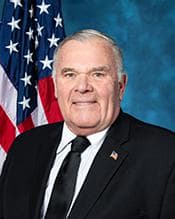
James R. Baird
Republican Representative
Indiana
Cosponsors (26)
Dusty Johnson (Republican)Kim Schrier (Democratic)April McClain Delaney (Democratic)Mark Pocan (Democratic)Gabe Vasquez (Democratic)David J. Taylor (Republican)Scott Franklin (Republican)Darin LaHood (Republican)Eugene Simon Vindman (Democratic)Andrea Salinas (Democratic)Donald G. Davis (Democratic)Rudy Yakym (Republican)Don Bacon (Republican)Nikki Budzinski (Democratic)Mike Flood (Republican)Jill N. Tokuda (Democratic)Brad Finstad (Republican)Brittany Pettersen (Democratic)Val T. Hoyle (Democratic)Mike Bost (Republican)Eric Sorensen (Democratic)Seth Magaziner (Democratic)Randy Feenstra (Republican)Josh Gottheimer (Democratic)Susie Lee (Democratic)Bryan Steil (Republican)
Agriculture Committee, Conservation, Research, and Biotechnology Subcommittee
- Introduced
- In Committee
- On Floor
- Passed Chamber
- Enacted
The "Increased TSP Access Act of 2025" aims to significantly modify and improve the delivery of technical assistance under the Food Security Act of 1985. It redefines technical assistance to emphasize timely, science-based, and site-specific practice design and implementation , and explicitly includes private sector entities among those that can provide such assistance. A key provision is the overhaul of the certification process for third-party providers . The bill introduces "non-Federal certifying entities," allowing certification not only by the Secretary but also by approved non-Federal organizations and State agencies with relevant statutory authority. The Secretary must establish a process for these non-Federal certifying entities within 180 days, with the goal of increasing third-party provider capacity, including agricultural retailers and professional societies. To streamline the process, the Secretary must also provide a streamlined certification process within 180 days for providers holding appropriate specialty certifications, such as certified crop advisors or professional engineers. The bill mandates timely decisions, requiring the Secretary to review and add certified providers to a registry within 10 business days of notification from a non-Federal certifying entity. Furthermore, the Act requires the Secretary to review certification requirements, make necessary adjustments, and conduct outreach to assess barriers and opportunities for third-party provider assistance. It also directs the Secretary to establish fair and reasonable payment amounts for technical services, equivalent to federal rates, and ensures that payments for third-party technical assistance under other federal programs are excluded from cost-sharing requirements. Finally, the bill mandates increased transparency by requiring public reporting on funds obligated to third-party providers, certification results, their contribution to conservation effectiveness, and the comparison of actual utilization rates to set targets.
Suggested Questions
Get AI-generated questions to help you understand this bill better
Timeline
Introduced in House
Referred to the House Committee on Agriculture.
Referred to the Subcommittee on Conservation, Research, and Biotechnology.
Agriculture and Food
Increased TSP Access Act of 2025
USA119th CongressHR-575| House
| Updated: 2/28/2025
The "Increased TSP Access Act of 2025" aims to significantly modify and improve the delivery of technical assistance under the Food Security Act of 1985. It redefines technical assistance to emphasize timely, science-based, and site-specific practice design and implementation , and explicitly includes private sector entities among those that can provide such assistance. A key provision is the overhaul of the certification process for third-party providers . The bill introduces "non-Federal certifying entities," allowing certification not only by the Secretary but also by approved non-Federal organizations and State agencies with relevant statutory authority. The Secretary must establish a process for these non-Federal certifying entities within 180 days, with the goal of increasing third-party provider capacity, including agricultural retailers and professional societies. To streamline the process, the Secretary must also provide a streamlined certification process within 180 days for providers holding appropriate specialty certifications, such as certified crop advisors or professional engineers. The bill mandates timely decisions, requiring the Secretary to review and add certified providers to a registry within 10 business days of notification from a non-Federal certifying entity. Furthermore, the Act requires the Secretary to review certification requirements, make necessary adjustments, and conduct outreach to assess barriers and opportunities for third-party provider assistance. It also directs the Secretary to establish fair and reasonable payment amounts for technical services, equivalent to federal rates, and ensures that payments for third-party technical assistance under other federal programs are excluded from cost-sharing requirements. Finally, the bill mandates increased transparency by requiring public reporting on funds obligated to third-party providers, certification results, their contribution to conservation effectiveness, and the comparison of actual utilization rates to set targets.
Suggested Questions
Get AI-generated questions to help you understand this bill better
Timeline
Introduced in House
Referred to the House Committee on Agriculture.
Referred to the Subcommittee on Conservation, Research, and Biotechnology.
James R. Baird
Republican Representative
Indiana
Cosponsors (26)
Dusty Johnson (Republican)Kim Schrier (Democratic)April McClain Delaney (Democratic)Mark Pocan (Democratic)Gabe Vasquez (Democratic)David J. Taylor (Republican)Scott Franklin (Republican)Darin LaHood (Republican)Eugene Simon Vindman (Democratic)Andrea Salinas (Democratic)Donald G. Davis (Democratic)Rudy Yakym (Republican)Don Bacon (Republican)Nikki Budzinski (Democratic)Mike Flood (Republican)Jill N. Tokuda (Democratic)Brad Finstad (Republican)Brittany Pettersen (Democratic)Val T. Hoyle (Democratic)Mike Bost (Republican)Eric Sorensen (Democratic)Seth Magaziner (Democratic)Randy Feenstra (Republican)Josh Gottheimer (Democratic)Susie Lee (Democratic)Bryan Steil (Republican)
Agriculture Committee, Conservation, Research, and Biotechnology Subcommittee
Agriculture and Food
Related Bills
- Introduced
- In Committee
- On Floor
- Passed Chamber
- Enacted