Combatting the Persecution of Religious Groups in China Act
USA119th CongressHR-5838| House
| Updated: 10/28/2025
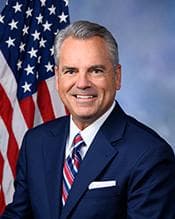
Mark Alford
Republican Representative
Missouri
Cosponsors (5)
Foreign Affairs Committee, Judiciary Committee
- Introduced
- In Committee
- On Floor
- Passed Chamber
- Enacted
This legislation establishes the United States' policy regarding religious freedom in the People's Republic of China, aiming to hold officials accountable for severe abuses. It states that any Chinese official responsible for or directly carrying out abuses such as arbitrary detention, forced sterilization, torture, forced labor, or severe restrictions on religious freedom against minorities like Christians, Muslims, Buddhists, and Falun Gong practitioners may be subject to sanctions under the Global Magnitsky Human Rights Accountability Act . Furthermore, the bill directs the Department of State, particularly its relevant bureaus, to actively support efforts promoting international religious freedom within China. This includes monitoring the transnational repression of religious minority groups by the Chinese government. The legislation also expresses a Sense of Congress that the U.S. should continue to designate China as a "country of particular concern" for religious freedom due to ongoing severe violations. The bill emphasizes strengthening diplomatic efforts on behalf of religious minorities and engaging international partners to combat these abuses. It calls for raising the cases of religious and political prisoners at the highest levels with Chinese officials, demanding their unconditional release, and ensuring humane treatment, access to legal counsel, medical care, and the ability to practice their faith while detained. Finally, it encourages the global faith community to show solidarity with oppressed religious groups in China.
View Full TextSuggested Questions
Get AI-generated questions to help you understand this bill better
Timeline
Introduced in House
Referred to the Committee on Foreign Affairs, and in addition to the Committee on the Judiciary, for a period to be subsequently determined by the Speaker, in each case for consideration of such provisions as fall within the jurisdiction of the committee concerned.
International Affairs
Combatting the Persecution of Religious Groups in China Act
USA119th CongressHR-5838| House
| Updated: 10/28/2025
This legislation establishes the United States' policy regarding religious freedom in the People's Republic of China, aiming to hold officials accountable for severe abuses. It states that any Chinese official responsible for or directly carrying out abuses such as arbitrary detention, forced sterilization, torture, forced labor, or severe restrictions on religious freedom against minorities like Christians, Muslims, Buddhists, and Falun Gong practitioners may be subject to sanctions under the Global Magnitsky Human Rights Accountability Act . Furthermore, the bill directs the Department of State, particularly its relevant bureaus, to actively support efforts promoting international religious freedom within China. This includes monitoring the transnational repression of religious minority groups by the Chinese government. The legislation also expresses a Sense of Congress that the U.S. should continue to designate China as a "country of particular concern" for religious freedom due to ongoing severe violations. The bill emphasizes strengthening diplomatic efforts on behalf of religious minorities and engaging international partners to combat these abuses. It calls for raising the cases of religious and political prisoners at the highest levels with Chinese officials, demanding their unconditional release, and ensuring humane treatment, access to legal counsel, medical care, and the ability to practice their faith while detained. Finally, it encourages the global faith community to show solidarity with oppressed religious groups in China.
View Full TextSuggested Questions
Get AI-generated questions to help you understand this bill better
Timeline
Introduced in House
Referred to the Committee on Foreign Affairs, and in addition to the Committee on the Judiciary, for a period to be subsequently determined by the Speaker, in each case for consideration of such provisions as fall within the jurisdiction of the committee concerned.
Mark Alford
Republican Representative
Missouri
Cosponsors (5)
Foreign Affairs Committee, Judiciary Committee
International Affairs
- Introduced
- In Committee
- On Floor
- Passed Chamber
- Enacted