Legislative Branch Agencies Clarification Act
USA119th CongressHR-6028| House
| Updated: 11/12/2025
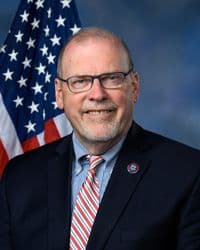
H. Morgan Griffith
Republican Representative
Virginia
Cosponsors (4)
Committee on House Administration, Judiciary Committee, Oversight and Government Reform Committee
- Introduced
- In Committee
- On Floor
- Passed Chamber
- Enacted
This legislation, known as the Legislative Branch Agencies Clarification Act, aims to modernize the governance and operational frameworks of several key legislative branch entities. It primarily focuses on reforming the appointment and removal procedures for their top officials, enhancing accountability, and clarifying organizational structures. For the Librarian of Congress , the bill establishes a new appointment process. Instead of presidential nomination and Senate confirmation, the Librarian will be appointed by a congressional commission, composed of oversight committee leadership and House and Senate leadership, from a list of three individuals recommended by the oversight committee leadership. The Librarian may also be removed at any time by a majority vote of the House and Senate leadership, and the position is explicitly not considered a political appointment for pay purposes. The bill also creates a formal process for appointing a Deputy Librarian of Congress . The Librarian is tasked with appointing a Deputy within 120 days of their own appointment or a vacancy. If the Librarian fails to do so, the congressional leadership will step in to make the appointment. The Deputy Librarian is designated to serve as acting Librarian during absences, disabilities, or vacancies in the top office. Similarly, the Director of the Government Publishing Office (GPO) will undergo a comparable change in appointment and removal. The Director will be appointed by the same congressional commission and leadership, based on recommendations from oversight committee leadership, and can be removed by a majority vote of House and Senate leadership. This position, like the Librarian, will not be considered a political appointment for pay purposes. A new role for the Deputy Director of the GPO is also established, with the Director responsible for their appointment within 120 days. Should the Director fail to appoint, congressional leadership will make the selection. The Deputy Director is authorized to act as Director during absences or vacancies, ensuring continuity of operations. A significant reform targets the Copyright Office , removing the supervisory authority of the Librarian of Congress. The Register of Copyrights will now be appointed by the President with Senate consent, following recommendations from the House and Senate Judiciary Committee leadership, and will serve a 10-year term with potential for reappointment. This change aims to grant the Copyright Office greater independence in its functions. To further enhance the Copyright Office's autonomy, the bill establishes an Inspector General for the Copyright Office , separate from the Inspector General of the Library of Congress. This ensures independent oversight of the Copyright Office's operations. The bill also ratifies actions taken by Copyright entities between May 8, 2025, and the bill's enactment date, and allows for support agreements with the Library of Congress and other legislative branch agencies. For the Government Publishing Office , the bill extends the application of the Congressional Accountability Act of 1995 , bringing GPO employees under its protections. It also mandates the establishment of a new human capital management system for the GPO, which must adhere to merit system principles and prohibit certain personnel and political activities, while giving preference to eligible individuals for hiring. Finally, the bill updates the GPO's authority to perform printing and publishing services for all branches of the federal government.
Suggested Questions
Get AI-generated questions to help you understand this bill better
Timeline
Introduced in House
Referred to the Committee on House Administration, and in addition to the Committees on the Judiciary, and Oversight and Government Reform, for a period to be subsequently determined by the Speaker, in each case for consideration of such provisions as fall within the jurisdiction of the committee concerned.
Congress
Congressional agenciesCongressional operations and organizationCongressional oversightFederal officialsGovernment employee pay, benefits, personnel managementGovernment Publishing Office (GPO)Intellectual propertyLibrary of Congress
Legislative Branch Agencies Clarification Act
USA119th CongressHR-6028| House
| Updated: 11/12/2025
This legislation, known as the Legislative Branch Agencies Clarification Act, aims to modernize the governance and operational frameworks of several key legislative branch entities. It primarily focuses on reforming the appointment and removal procedures for their top officials, enhancing accountability, and clarifying organizational structures. For the Librarian of Congress , the bill establishes a new appointment process. Instead of presidential nomination and Senate confirmation, the Librarian will be appointed by a congressional commission, composed of oversight committee leadership and House and Senate leadership, from a list of three individuals recommended by the oversight committee leadership. The Librarian may also be removed at any time by a majority vote of the House and Senate leadership, and the position is explicitly not considered a political appointment for pay purposes. The bill also creates a formal process for appointing a Deputy Librarian of Congress . The Librarian is tasked with appointing a Deputy within 120 days of their own appointment or a vacancy. If the Librarian fails to do so, the congressional leadership will step in to make the appointment. The Deputy Librarian is designated to serve as acting Librarian during absences, disabilities, or vacancies in the top office. Similarly, the Director of the Government Publishing Office (GPO) will undergo a comparable change in appointment and removal. The Director will be appointed by the same congressional commission and leadership, based on recommendations from oversight committee leadership, and can be removed by a majority vote of House and Senate leadership. This position, like the Librarian, will not be considered a political appointment for pay purposes. A new role for the Deputy Director of the GPO is also established, with the Director responsible for their appointment within 120 days. Should the Director fail to appoint, congressional leadership will make the selection. The Deputy Director is authorized to act as Director during absences or vacancies, ensuring continuity of operations. A significant reform targets the Copyright Office , removing the supervisory authority of the Librarian of Congress. The Register of Copyrights will now be appointed by the President with Senate consent, following recommendations from the House and Senate Judiciary Committee leadership, and will serve a 10-year term with potential for reappointment. This change aims to grant the Copyright Office greater independence in its functions. To further enhance the Copyright Office's autonomy, the bill establishes an Inspector General for the Copyright Office , separate from the Inspector General of the Library of Congress. This ensures independent oversight of the Copyright Office's operations. The bill also ratifies actions taken by Copyright entities between May 8, 2025, and the bill's enactment date, and allows for support agreements with the Library of Congress and other legislative branch agencies. For the Government Publishing Office , the bill extends the application of the Congressional Accountability Act of 1995 , bringing GPO employees under its protections. It also mandates the establishment of a new human capital management system for the GPO, which must adhere to merit system principles and prohibit certain personnel and political activities, while giving preference to eligible individuals for hiring. Finally, the bill updates the GPO's authority to perform printing and publishing services for all branches of the federal government.
Suggested Questions
Get AI-generated questions to help you understand this bill better
Timeline
Introduced in House
Referred to the Committee on House Administration, and in addition to the Committees on the Judiciary, and Oversight and Government Reform, for a period to be subsequently determined by the Speaker, in each case for consideration of such provisions as fall within the jurisdiction of the committee concerned.
H. Morgan Griffith
Republican Representative
Virginia
Cosponsors (4)
Committee on House Administration, Judiciary Committee, Oversight and Government Reform Committee
Congress
- Introduced
- In Committee
- On Floor
- Passed Chamber
- Enacted
Congressional agenciesCongressional operations and organizationCongressional oversightFederal officialsGovernment employee pay, benefits, personnel managementGovernment Publishing Office (GPO)Intellectual propertyLibrary of Congress