MY DATA Act of 2025
USA119th CongressHR-6043| House
| Updated: 11/12/2025
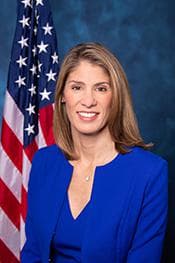
Lori Trahan
Democratic Representative
Massachusetts
Energy and Commerce Committee
- Introduced
- In Committee
- On Floor
- Passed Chamber
- Enacted
This bill seeks to bolster consumer privacy by prohibiting certain entities from restricting individuals' use of specific types of data. Specifically, a covered entity is forbidden from preventing an individual from utilizing de-identified data , which cannot be linked back to them, or cloaked data , which uses unique identifiers to conceal identity while maintaining communication. A covered entity is defined broadly as any person, excluding individuals in non-commercial contexts, who collects, processes, or transfers covered data. However, this prohibition does not apply when the covered entity is acting solely as a service provider, and it explicitly excludes government entities and a specific non-profit organization focused on missing and exploited children. The Federal Trade Commission (FTC) is empowered to enforce these provisions. Any violation of the prohibition will be treated as an unfair or deceptive act or practice under the Federal Trade Commission Act, subjecting violators to the penalties and enforcement mechanisms outlined in that existing law.
View Full TextSuggested Questions
Get AI-generated questions to help you understand this bill better
Timeline
Introduced in House
Referred to the House Committee on Energy and Commerce.
Commerce
MY DATA Act of 2025
USA119th CongressHR-6043| House
| Updated: 11/12/2025
This bill seeks to bolster consumer privacy by prohibiting certain entities from restricting individuals' use of specific types of data. Specifically, a covered entity is forbidden from preventing an individual from utilizing de-identified data , which cannot be linked back to them, or cloaked data , which uses unique identifiers to conceal identity while maintaining communication. A covered entity is defined broadly as any person, excluding individuals in non-commercial contexts, who collects, processes, or transfers covered data. However, this prohibition does not apply when the covered entity is acting solely as a service provider, and it explicitly excludes government entities and a specific non-profit organization focused on missing and exploited children. The Federal Trade Commission (FTC) is empowered to enforce these provisions. Any violation of the prohibition will be treated as an unfair or deceptive act or practice under the Federal Trade Commission Act, subjecting violators to the penalties and enforcement mechanisms outlined in that existing law.
View Full TextSuggested Questions
Get AI-generated questions to help you understand this bill better
Timeline
Introduced in House
Referred to the House Committee on Energy and Commerce.
Lori Trahan
Democratic Representative
Massachusetts
Energy and Commerce Committee
Commerce
- Introduced
- In Committee
- On Floor
- Passed Chamber
- Enacted