Farm to School Act of 2025
USA119th CongressHR-6065| House
| Updated: 11/17/2025
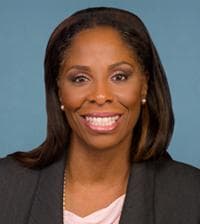
Stacey E. Plaskett
Democratic Representative
Virgin Islands
Cosponsors (3)
Education and Workforce Committee
- Introduced
- In Committee
- On Floor
- Passed Chamber
- Enacted
This bill, titled the "Farm to School Act of 2025," aims to reauthorize and significantly expand the existing Patrick Leahy Farm to School Program. It increases the authorized annual appropriation for the program from $5,000,000 to $10,000,000 for fiscal years 2025 through 2030, with up to 5% allocated for administrative costs. The legislation broadens the scope of the program to include not only schools but also land-grant colleges and universities as eligible institutions, enhancing access to local foods and agricultural education. The Act expands the definition of a "farm to school program" to explicitly include activities such as planting and maintaining farms or gardens, procuring from local agricultural producers, and conducting educational activities related to agriculture, nutrition, or food. Grants awarded under this program can now support innovative approaches to aggregation, processing, transportation, and distribution to improve local food procurement. Individual grants are capped at $500,000 with a maximum term of three years, and the Secretary is directed to award diverse amounts and durations to match project scope. To reduce barriers, the Secretary may waive or modify matching requirements for high-priority projects, and Tribal agencies can use other federal funds for their non-federal share. The bill prioritizes projects that incorporate experiential and culturally appropriate education, serve socially disadvantaged children, expand local commodity selection, and address diet-related health issues. Furthermore, it mandates that the Secretary give highest priority to projects serving Tribal communities that incorporate products from Tribal agricultural producers. The Secretary is also required to conduct regular reviews and report on progress in identifying and eliminating regulatory and other barriers affecting farm to school programs, particularly for small-scale and Tribal producers.
View Full TextSuggested Questions
Get AI-generated questions to help you understand this bill better
Timeline
Introduced in House
Referred to the House Committee on Education and Workforce.
Agriculture and Food
Farm to School Act of 2025
USA119th CongressHR-6065| House
| Updated: 11/17/2025
This bill, titled the "Farm to School Act of 2025," aims to reauthorize and significantly expand the existing Patrick Leahy Farm to School Program. It increases the authorized annual appropriation for the program from $5,000,000 to $10,000,000 for fiscal years 2025 through 2030, with up to 5% allocated for administrative costs. The legislation broadens the scope of the program to include not only schools but also land-grant colleges and universities as eligible institutions, enhancing access to local foods and agricultural education. The Act expands the definition of a "farm to school program" to explicitly include activities such as planting and maintaining farms or gardens, procuring from local agricultural producers, and conducting educational activities related to agriculture, nutrition, or food. Grants awarded under this program can now support innovative approaches to aggregation, processing, transportation, and distribution to improve local food procurement. Individual grants are capped at $500,000 with a maximum term of three years, and the Secretary is directed to award diverse amounts and durations to match project scope. To reduce barriers, the Secretary may waive or modify matching requirements for high-priority projects, and Tribal agencies can use other federal funds for their non-federal share. The bill prioritizes projects that incorporate experiential and culturally appropriate education, serve socially disadvantaged children, expand local commodity selection, and address diet-related health issues. Furthermore, it mandates that the Secretary give highest priority to projects serving Tribal communities that incorporate products from Tribal agricultural producers. The Secretary is also required to conduct regular reviews and report on progress in identifying and eliminating regulatory and other barriers affecting farm to school programs, particularly for small-scale and Tribal producers.
View Full TextSuggested Questions
Get AI-generated questions to help you understand this bill better
Timeline
Introduced in House
Referred to the House Committee on Education and Workforce.
Stacey E. Plaskett
Democratic Representative
Virgin Islands
Cosponsors (3)
Education and Workforce Committee
Agriculture and Food
Related Bills
- Introduced
- In Committee
- On Floor
- Passed Chamber
- Enacted