COVER Now Act
USA119th CongressHR-608| House
| Updated: 1/22/2025
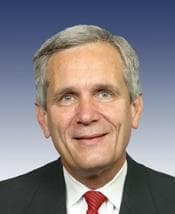
Lloyd Doggett
Democratic Representative
Texas
Cosponsors (35)
Nikema Williams (Democratic)Sylvia R. Garcia (Democratic)Marc A. Veasey (Democratic)Shomari Figures (Democratic)Julie Johnson (Democratic)Emanuel Cleaver (Democratic)Darren Soto (Democratic)Sanford D. Bishop (Democratic)David Scott (Democratic)Frederica S. Wilson (Democratic)Terri A. Sewell (Democratic)Maxwell Frost (Democratic)Steve Cohen (Democratic)Greg Casar (Democratic)Vicente Gonzalez (Democratic)Jasmine Crockett (Democratic)Henry C. "Hank" Johnson (Democratic)Sheila Cherfilus-McCormick (Democratic)Al Green (Democratic)Joaquin Castro (Democratic)Mark DeSaulnier (Democratic)Alma S. Adams (Democratic)Lucy McBath (Democratic)Kathy Castor (Democratic)Eleanor Holmes Norton (Democratic)Henry Cuellar (Democratic)Jamie Raskin (Democratic)Lois Frankel (Democratic)James E. Clyburn (Democratic)Bennie G. Thompson (Democratic)Sylvester Turner (Democratic)Lizzie Fletcher (Democratic)Veronica Escobar (Democratic)Debbie Wasserman Schultz (Democratic)Gerald E. Connolly (Democratic)
Energy and Commerce Committee
- Introduced
- In Committee
- On Floor
- Passed Chamber
- Enacted
The "COVER Now Act" proposes a new Medicaid demonstration project, enabling political subdivisions within states that have not expanded Medicaid to offer medical assistance to their Medicaid expansion population . This initiative aims to extend healthcare coverage to vulnerable residents who would otherwise lack access due to their state's non-participation in the Affordable Care Act's Medicaid expansion. The Secretary of Health and Human Services is authorized to select qualifying subdivisions, which can be individual entities or partnerships, to participate in these projects. Participating political subdivisions will receive enhanced federal matching percentages for their expenditures, beginning with 100% for the first three years of the project. This federal share gradually decreases in subsequent years, with rural subdivisions potentially receiving higher rates. The demonstration projects are designed to last for seven years, with a possible five-year extension, or until the state itself expands Medicaid, at which point beneficiaries would be automatically enrolled into the state plan. To facilitate these projects, the Secretary may waive certain Medicaid requirements , such as statewideness and the single state agency rule. The bill also includes provisions to deter states from undermining these local efforts; states that engage in "prohibited items," such as shifting costs, withholding funding, or obstructing a subdivision's participation, will face a 25% reduction in their federal administrative cost matching. The Secretary is limited to approving no more than 100 such demonstration projects and is not permitted to require budget neutrality as a condition for approval.
Suggested Questions
Get AI-generated questions to help you understand this bill better
Timeline
Introduced in House
Referred to the House Committee on Energy and Commerce.
Health
Congressional oversightGovernment studies and investigationsIntergovernmental relationsMedicaidState and local financeState and local government operations
COVER Now Act
USA119th CongressHR-608| House
| Updated: 1/22/2025
The "COVER Now Act" proposes a new Medicaid demonstration project, enabling political subdivisions within states that have not expanded Medicaid to offer medical assistance to their Medicaid expansion population . This initiative aims to extend healthcare coverage to vulnerable residents who would otherwise lack access due to their state's non-participation in the Affordable Care Act's Medicaid expansion. The Secretary of Health and Human Services is authorized to select qualifying subdivisions, which can be individual entities or partnerships, to participate in these projects. Participating political subdivisions will receive enhanced federal matching percentages for their expenditures, beginning with 100% for the first three years of the project. This federal share gradually decreases in subsequent years, with rural subdivisions potentially receiving higher rates. The demonstration projects are designed to last for seven years, with a possible five-year extension, or until the state itself expands Medicaid, at which point beneficiaries would be automatically enrolled into the state plan. To facilitate these projects, the Secretary may waive certain Medicaid requirements , such as statewideness and the single state agency rule. The bill also includes provisions to deter states from undermining these local efforts; states that engage in "prohibited items," such as shifting costs, withholding funding, or obstructing a subdivision's participation, will face a 25% reduction in their federal administrative cost matching. The Secretary is limited to approving no more than 100 such demonstration projects and is not permitted to require budget neutrality as a condition for approval.
Suggested Questions
Get AI-generated questions to help you understand this bill better
Timeline
Introduced in House
Referred to the House Committee on Energy and Commerce.
Lloyd Doggett
Democratic Representative
Texas
Cosponsors (35)
Nikema Williams (Democratic)Sylvia R. Garcia (Democratic)Marc A. Veasey (Democratic)Shomari Figures (Democratic)Julie Johnson (Democratic)Emanuel Cleaver (Democratic)Darren Soto (Democratic)Sanford D. Bishop (Democratic)David Scott (Democratic)Frederica S. Wilson (Democratic)Terri A. Sewell (Democratic)Maxwell Frost (Democratic)Steve Cohen (Democratic)Greg Casar (Democratic)Vicente Gonzalez (Democratic)Jasmine Crockett (Democratic)Henry C. "Hank" Johnson (Democratic)Sheila Cherfilus-McCormick (Democratic)Al Green (Democratic)Joaquin Castro (Democratic)Mark DeSaulnier (Democratic)Alma S. Adams (Democratic)Lucy McBath (Democratic)Kathy Castor (Democratic)Eleanor Holmes Norton (Democratic)Henry Cuellar (Democratic)Jamie Raskin (Democratic)Lois Frankel (Democratic)James E. Clyburn (Democratic)Bennie G. Thompson (Democratic)Sylvester Turner (Democratic)Lizzie Fletcher (Democratic)Veronica Escobar (Democratic)Debbie Wasserman Schultz (Democratic)Gerald E. Connolly (Democratic)
Energy and Commerce Committee
Health
- Introduced
- In Committee
- On Floor
- Passed Chamber
- Enacted
Congressional oversightGovernment studies and investigationsIntergovernmental relationsMedicaidState and local financeState and local government operations