STAY Act
USA119th CongressHR-6146| House
| Updated: 11/19/2025
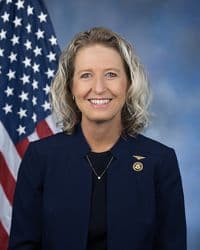
Jennifer A. Kiggans
Republican Representative
Virginia
Cosponsors (4)
Armed Services Committee
- Introduced
- In Committee
- On Floor
- Passed Chamber
- Enacted
This bill, titled the Supporting Tours Across Years Act (STAY Act), mandates that the Under Secretary of Defense for Personnel and Readiness, in coordination with military departments, submit a comprehensive report to congressional defense committees by March 1, 2026. The report's central purpose is to explore and analyze options for reducing the frequency of permanent changes of station (PCS) for members of the Armed Forces and their rotations between naval vessels and onshore assignments, commonly referred to as sea-shore rotations . Key elements required in the report include an analysis of the costs associated with these movements over the preceding five fiscal years, disaggregated by military department and occupational specialty. It must also assess the potential cost savings for the Department of Defense that could be realized through a reduction in the frequency of such changes and rotations. Furthermore, the report will evaluate the effects of reduced frequency on military member retention, spouse employment, and children's education, identify feasible billets for extended tours, and recommend necessary legislative or policy changes for implementation or pilot programs.
View Full TextSuggested Questions
Get AI-generated questions to help you understand this bill better
Timeline
Introduced in House
Referred to the House Committee on Armed Services.
Armed Forces and National Security
STAY Act
USA119th CongressHR-6146| House
| Updated: 11/19/2025
This bill, titled the Supporting Tours Across Years Act (STAY Act), mandates that the Under Secretary of Defense for Personnel and Readiness, in coordination with military departments, submit a comprehensive report to congressional defense committees by March 1, 2026. The report's central purpose is to explore and analyze options for reducing the frequency of permanent changes of station (PCS) for members of the Armed Forces and their rotations between naval vessels and onshore assignments, commonly referred to as sea-shore rotations . Key elements required in the report include an analysis of the costs associated with these movements over the preceding five fiscal years, disaggregated by military department and occupational specialty. It must also assess the potential cost savings for the Department of Defense that could be realized through a reduction in the frequency of such changes and rotations. Furthermore, the report will evaluate the effects of reduced frequency on military member retention, spouse employment, and children's education, identify feasible billets for extended tours, and recommend necessary legislative or policy changes for implementation or pilot programs.
View Full TextSuggested Questions
Get AI-generated questions to help you understand this bill better
Timeline
Introduced in House
Referred to the House Committee on Armed Services.
Jennifer A. Kiggans
Republican Representative
Virginia
Cosponsors (4)
Armed Services Committee
Armed Forces and National Security
- Introduced
- In Committee
- On Floor
- Passed Chamber
- Enacted