BOOST Act of 2025
USA119th CongressHR-6236| House
| Updated: 11/20/2025
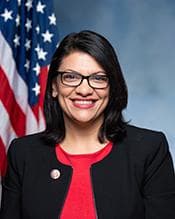
Rashida Tlaib
Democratic Representative
Michigan
Cosponsors (10)
Ways and Means Committee
- Introduced
- In Committee
- On Floor
- Passed Chamber
- Enacted
This bill establishes a comprehensive universal adult assistance program, known as the "BOOST Act of 2025," designed to enhance the financial stability and take-home pay of American workers. It creates the Office of Universal Adult Assistance within the Social Security Administration, headed by a Deputy Commissioner, to manage and administer the program. The office's responsibilities include determining eligibility, making payments, preventing fraud, and providing public information regarding the program. A qualified adult is defined as a U.S. citizen, national, or qualified alien residing in the United States, who is at least 19 years old and less than 68 years old. Beginning January 1, 2026, eligible individuals with an approved application will receive a $250 monthly payment , which will be subject to annual inflation adjustments starting in 2027. Significantly, these payments are not considered income for federal tax purposes or for determining eligibility for other federal or federally-funded state and local programs. To finance this initiative, the bill imposes a new 2.5% supplemental individual income tax on adjusted gross income. This tax applies to income exceeding $60,000 for joint filers and $30,000 for all other individuals, with these exemption amounts also subject to inflation adjustments. Importantly, no other tax credits, deductions, or similar benefits can be used to reduce this specific supplemental tax.
View Full TextSuggested Questions
Get AI-generated questions to help you understand this bill better
Timeline
Introduced in House
Referred to the House Committee on Ways and Means.
BOOST Act of 2025
USA119th CongressHR-6236| House
| Updated: 11/20/2025
This bill establishes a comprehensive universal adult assistance program, known as the "BOOST Act of 2025," designed to enhance the financial stability and take-home pay of American workers. It creates the Office of Universal Adult Assistance within the Social Security Administration, headed by a Deputy Commissioner, to manage and administer the program. The office's responsibilities include determining eligibility, making payments, preventing fraud, and providing public information regarding the program. A qualified adult is defined as a U.S. citizen, national, or qualified alien residing in the United States, who is at least 19 years old and less than 68 years old. Beginning January 1, 2026, eligible individuals with an approved application will receive a $250 monthly payment , which will be subject to annual inflation adjustments starting in 2027. Significantly, these payments are not considered income for federal tax purposes or for determining eligibility for other federal or federally-funded state and local programs. To finance this initiative, the bill imposes a new 2.5% supplemental individual income tax on adjusted gross income. This tax applies to income exceeding $60,000 for joint filers and $30,000 for all other individuals, with these exemption amounts also subject to inflation adjustments. Importantly, no other tax credits, deductions, or similar benefits can be used to reduce this specific supplemental tax.
View Full TextSuggested Questions
Get AI-generated questions to help you understand this bill better
Timeline
Introduced in House
Referred to the House Committee on Ways and Means.
Rashida Tlaib
Democratic Representative
Michigan
Cosponsors (10)
Ways and Means Committee
- Introduced
- In Committee
- On Floor
- Passed Chamber
- Enacted