Honor Our Living Donors Act
USA119th CongressHR-628| House
| Updated: 1/22/2025
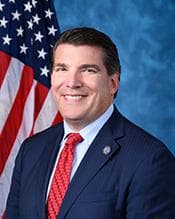
Jay Obernolte
Republican Representative
California
Cosponsors (12)
Mark Pocan (Democratic)Laura Gillen (Democratic)Suzan K. DelBene (Democratic)Paul Tonko (Democratic)Donald G. Davis (Democratic)Janelle S. Bynum (Democratic)Jefferson Shreve (Republican)Joe Wilson (Republican)Jerrold Nadler (Democratic)Eleanor Holmes Norton (Democratic)Sharice Davids (Democratic)Sarah McBride (Democratic)
Energy and Commerce Committee
- Introduced
- In Committee
- On Floor
- Passed Chamber
- Enacted
This bill amends the Public Health Service Act to significantly alter how living organ donors are reimbursed for their expenses. A primary change is the explicit prohibition against considering the income of the organ recipient when providing reimbursement to a donating individual through grant programs. This aims to ensure that the financial status of the recipient does not impede a donor's ability to receive compensation for their qualifying expenses. Additionally, the legislation removes existing provisions that might imply an expectation of payments by organ recipients, further solidifying the principle that donor reimbursement should be independent of the recipient's financial situation. To enhance transparency and accountability, the bill mandates that the Secretary prepare and submit an annual report to Congress and the public. This report must detail whether grant funding was sufficient to reimburse all living donors for their qualifying expenses, including the estimated number of donors not fully reimbursed and the total funding required to achieve full compensation.
Suggested Questions
Get AI-generated questions to help you understand this bill better
Timeline
Introduced in House
Referred to the House Committee on Energy and Commerce.
Health
Congressional oversightHealth care costs and insuranceOrgan and tissue donation and transplantation
Honor Our Living Donors Act
USA119th CongressHR-628| House
| Updated: 1/22/2025
This bill amends the Public Health Service Act to significantly alter how living organ donors are reimbursed for their expenses. A primary change is the explicit prohibition against considering the income of the organ recipient when providing reimbursement to a donating individual through grant programs. This aims to ensure that the financial status of the recipient does not impede a donor's ability to receive compensation for their qualifying expenses. Additionally, the legislation removes existing provisions that might imply an expectation of payments by organ recipients, further solidifying the principle that donor reimbursement should be independent of the recipient's financial situation. To enhance transparency and accountability, the bill mandates that the Secretary prepare and submit an annual report to Congress and the public. This report must detail whether grant funding was sufficient to reimburse all living donors for their qualifying expenses, including the estimated number of donors not fully reimbursed and the total funding required to achieve full compensation.
Suggested Questions
Get AI-generated questions to help you understand this bill better
Timeline
Introduced in House
Referred to the House Committee on Energy and Commerce.
Jay Obernolte
Republican Representative
California
Cosponsors (12)
Mark Pocan (Democratic)Laura Gillen (Democratic)Suzan K. DelBene (Democratic)Paul Tonko (Democratic)Donald G. Davis (Democratic)Janelle S. Bynum (Democratic)Jefferson Shreve (Republican)Joe Wilson (Republican)Jerrold Nadler (Democratic)Eleanor Holmes Norton (Democratic)Sharice Davids (Democratic)Sarah McBride (Democratic)
Energy and Commerce Committee
Health
Related Bills
- Introduced
- In Committee
- On Floor
- Passed Chamber
- Enacted
Congressional oversightHealth care costs and insuranceOrgan and tissue donation and transplantation