Childhood Diabetes Reduction Act of 2025
USA119th CongressHR-6294| House
| Updated: 11/25/2025
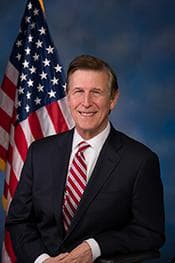
Donald S. Beyer
Democratic Representative
Virginia
Cosponsors (2)
Energy and Commerce Committee
- Introduced
- In Committee
- On Floor
- Passed Chamber
- Enacted
The Childhood Diabetes Reduction Act of 2025 aims to combat childhood diabetes by implementing comprehensive measures related to food labeling, advertising, research, and public education. It amends the Federal Food, Drug, and Cosmetic Act to require specific, prominently displayed warning labels on several categories of food and beverages. These include sugar-sweetened beverages , foods containing non-sugar sweeteners , ultra-processed foods , and items identified as high in nutrients of concern like added sugar, saturated fat, or sodium. The bill mandates that these labels, featuring specific text and icons, occupy at least 5 percent of the product's principal display area and apply to online retailers. Furthermore, it prohibits marketing or advertising of these labeled foods in any manner that reasonably appears to be directed at children. All advertisements for these products must also include the relevant mandatory health or nutrient warning label, with the Federal Trade Commission (FTC) tasked with enforcing these restrictions and having its rulemaking authority over children's advertising restored. Beyond labeling and advertising, the legislation expands the National Institutes of Health's (NIH) research into nutrition science, focusing on the health effects of ultra-processed foods, specific harmful ingredients, and the safety of self-affirmed 'generally recognized as safe' (GRAS) substances. The NIH will also convene regular public meetings to discuss nutrition research and inform federal policy, with a majority of participants required to have no financial ties to ultra-processed food manufacturers. The Secretary of Health and Human Services will also contract with the National Academies of Science, Engineering, and Medicine to develop a definitive definition for ultra-processed food. Finally, the bill directs the Centers for Disease Control and Prevention (CDC) to develop a national public education campaign. This campaign will educate the public, including children and caregivers, on how to understand the new nutrient warning labels, the health risks of poor nutrition and inactivity, and strategies for improving eating habits and promoting a healthy lifestyle. Significant appropriations are authorized for the FDA, NIH, and CDC to carry out these new provisions.
View Full TextSuggested Questions
Get AI-generated questions to help you understand this bill better
Timeline
Introduced in House
Referred to the House Committee on Energy and Commerce.
Health
Childhood Diabetes Reduction Act of 2025
USA119th CongressHR-6294| House
| Updated: 11/25/2025
The Childhood Diabetes Reduction Act of 2025 aims to combat childhood diabetes by implementing comprehensive measures related to food labeling, advertising, research, and public education. It amends the Federal Food, Drug, and Cosmetic Act to require specific, prominently displayed warning labels on several categories of food and beverages. These include sugar-sweetened beverages , foods containing non-sugar sweeteners , ultra-processed foods , and items identified as high in nutrients of concern like added sugar, saturated fat, or sodium. The bill mandates that these labels, featuring specific text and icons, occupy at least 5 percent of the product's principal display area and apply to online retailers. Furthermore, it prohibits marketing or advertising of these labeled foods in any manner that reasonably appears to be directed at children. All advertisements for these products must also include the relevant mandatory health or nutrient warning label, with the Federal Trade Commission (FTC) tasked with enforcing these restrictions and having its rulemaking authority over children's advertising restored. Beyond labeling and advertising, the legislation expands the National Institutes of Health's (NIH) research into nutrition science, focusing on the health effects of ultra-processed foods, specific harmful ingredients, and the safety of self-affirmed 'generally recognized as safe' (GRAS) substances. The NIH will also convene regular public meetings to discuss nutrition research and inform federal policy, with a majority of participants required to have no financial ties to ultra-processed food manufacturers. The Secretary of Health and Human Services will also contract with the National Academies of Science, Engineering, and Medicine to develop a definitive definition for ultra-processed food. Finally, the bill directs the Centers for Disease Control and Prevention (CDC) to develop a national public education campaign. This campaign will educate the public, including children and caregivers, on how to understand the new nutrient warning labels, the health risks of poor nutrition and inactivity, and strategies for improving eating habits and promoting a healthy lifestyle. Significant appropriations are authorized for the FDA, NIH, and CDC to carry out these new provisions.
View Full TextSuggested Questions
Get AI-generated questions to help you understand this bill better
Timeline
Introduced in House
Referred to the House Committee on Energy and Commerce.
Donald S. Beyer
Democratic Representative
Virginia
Cosponsors (2)
Energy and Commerce Committee
Health
- Introduced
- In Committee
- On Floor
- Passed Chamber
- Enacted