FIRE Act
USA119th CongressHR-6387| House
| Updated: 1/21/2026
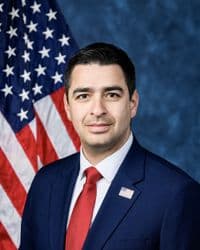
Gabe Evans
Republican Representative
Colorado
Environment Subcommittee, Energy and Commerce Committee
- Introduced
- In Committee
- On Floor
- Passed Chamber
- Enacted
This bill, known as the "FIRE Act," amends the Clean Air Act to update how air quality monitoring data is reviewed and handled when influenced by exceptional events or actions taken to mitigate wildfire risk. It expands the existing definition of an exceptional event to include human activities intended to mirror natural events or those unlikely to recur, while also explicitly defining "action to mitigate wildfire risk" as prescribed fires or similar state-approved measures. These changes aim to provide a clearer framework for distinguishing between routine pollution and impacts from specific, non-routine occurrences. The legislation mandates the Environmental Protection Agency (EPA) to revise its regulations within 18 months to incorporate these new provisions, including those related to wildfire mitigation actions. For multi-state air quality events, the EPA is required to conduct regional modeling and analysis to support petitions for data exclusion. Furthermore, the bill enhances transparency by requiring the EPA to establish and regularly update a public website detailing the status of all submitted petitions, ensuring states can more effectively petition to exclude such data from various air quality determinations, including area designations and attainment demonstrations.
View Full TextSuggested Questions
Get AI-generated questions to help you understand this bill better
Timeline
Introduced in House
Referred to the Subcommittee on Environment.
Referred to the House Committee on Energy and Commerce.
Subcommittee Consideration and Mark-up Session Held
Forwarded by Subcommittee to Full Committee by the Yeas and Nays: 13 - 10.
Ordered to be Reported by the Yeas and Nays: 27 - 23.
Committee Consideration and Mark-up Session Held
Environmental Protection
Air qualityEnvironmental assessment, monitoring, researchFiresWilderness and natural areas, wildlife refuges, wild rivers, habitats
FIRE Act
USA119th CongressHR-6387| House
| Updated: 1/21/2026
This bill, known as the "FIRE Act," amends the Clean Air Act to update how air quality monitoring data is reviewed and handled when influenced by exceptional events or actions taken to mitigate wildfire risk. It expands the existing definition of an exceptional event to include human activities intended to mirror natural events or those unlikely to recur, while also explicitly defining "action to mitigate wildfire risk" as prescribed fires or similar state-approved measures. These changes aim to provide a clearer framework for distinguishing between routine pollution and impacts from specific, non-routine occurrences. The legislation mandates the Environmental Protection Agency (EPA) to revise its regulations within 18 months to incorporate these new provisions, including those related to wildfire mitigation actions. For multi-state air quality events, the EPA is required to conduct regional modeling and analysis to support petitions for data exclusion. Furthermore, the bill enhances transparency by requiring the EPA to establish and regularly update a public website detailing the status of all submitted petitions, ensuring states can more effectively petition to exclude such data from various air quality determinations, including area designations and attainment demonstrations.
View Full TextSuggested Questions
Get AI-generated questions to help you understand this bill better
Timeline
Introduced in House
Referred to the Subcommittee on Environment.
Referred to the House Committee on Energy and Commerce.
Subcommittee Consideration and Mark-up Session Held
Forwarded by Subcommittee to Full Committee by the Yeas and Nays: 13 - 10.
Ordered to be Reported by the Yeas and Nays: 27 - 23.
Committee Consideration and Mark-up Session Held
Gabe Evans
Republican Representative
Colorado
Environment Subcommittee, Energy and Commerce Committee
Environmental Protection
- Introduced
- In Committee
- On Floor
- Passed Chamber
- Enacted
Air qualityEnvironmental assessment, monitoring, researchFiresWilderness and natural areas, wildlife refuges, wild rivers, habitats