Conservation Reserve Program Modernization Act
USA119th CongressHR-6388| House
| Updated: 12/3/2025
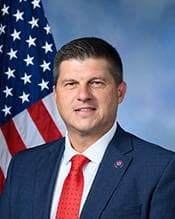
Brad Finstad
Republican Representative
Minnesota
Agriculture Committee
- Introduced
- In Committee
- On Floor
- Passed Chamber
- Enacted
The Conservation Reserve Program Modernization Act seeks to update the Conservation Reserve Program (CRP) by amending the Food Security Act of 1985. It establishes new definitions, including a comprehensive list of conservation buffers like riparian buffers and wetlands, which provide water quality or other resource benefits. The bill also defines eligible land and eligible partners , such as states, Indian Tribes, and nongovernmental organizations. A key provision expands the criteria for land eligible for CRP enrollment. This now includes cropland with a high percentage of less productive soils (Land Capability Class III-VII) or land that cannot be farmed sustainably, provided it has a recent cropping history. Additionally, cropland, grasslands, and marginal pastureland designated for conservation buffers, ecologically appropriate vegetation in riparian areas, or similar water quality and wildlife habitat practices are explicitly eligible. The bill also allows for enrollment of grasslands providing significant ecological habitat and land proposed by an eligible partner to address water quality, conservation, or wildlife habitat concerns. The Act revises the payment structure for CRP participants, mandating 50 percent cost-sharing for a broader array of conservation activities, including establishing permanent vegetation, erosion control, and fencing for riparian areas. For annual rental payments , the bill introduces a tiered reduction for reenrollments, starting at 85 percent of the rental rate for the first reenrollment and decreasing for subsequent ones. It also adjusts rental rate limitations based on land capability class, offering higher rates for less productive soils and a consistent rate for continuous enrollment.
View Full TextSuggested Questions
Get AI-generated questions to help you understand this bill better
Timeline
Introduced in House
Referred to the House Committee on Agriculture.
Agriculture and Food
Conservation Reserve Program Modernization Act
USA119th CongressHR-6388| House
| Updated: 12/3/2025
The Conservation Reserve Program Modernization Act seeks to update the Conservation Reserve Program (CRP) by amending the Food Security Act of 1985. It establishes new definitions, including a comprehensive list of conservation buffers like riparian buffers and wetlands, which provide water quality or other resource benefits. The bill also defines eligible land and eligible partners , such as states, Indian Tribes, and nongovernmental organizations. A key provision expands the criteria for land eligible for CRP enrollment. This now includes cropland with a high percentage of less productive soils (Land Capability Class III-VII) or land that cannot be farmed sustainably, provided it has a recent cropping history. Additionally, cropland, grasslands, and marginal pastureland designated for conservation buffers, ecologically appropriate vegetation in riparian areas, or similar water quality and wildlife habitat practices are explicitly eligible. The bill also allows for enrollment of grasslands providing significant ecological habitat and land proposed by an eligible partner to address water quality, conservation, or wildlife habitat concerns. The Act revises the payment structure for CRP participants, mandating 50 percent cost-sharing for a broader array of conservation activities, including establishing permanent vegetation, erosion control, and fencing for riparian areas. For annual rental payments , the bill introduces a tiered reduction for reenrollments, starting at 85 percent of the rental rate for the first reenrollment and decreasing for subsequent ones. It also adjusts rental rate limitations based on land capability class, offering higher rates for less productive soils and a consistent rate for continuous enrollment.
View Full TextSuggested Questions
Get AI-generated questions to help you understand this bill better
Timeline
Introduced in House
Referred to the House Committee on Agriculture.
Brad Finstad
Republican Representative
Minnesota
Agriculture Committee
Agriculture and Food
- Introduced
- In Committee
- On Floor
- Passed Chamber
- Enacted