Temporary Immigration Judge Integrity Act
USA119th CongressHR-6497| House
| Updated: 12/5/2025
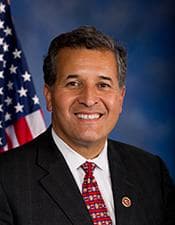
Juan Vargas
Democratic Representative
California
Cosponsors (15)
Sylvia R. Garcia (Democratic)Darren Soto (Democratic)Scott H. Peters (Democratic)Ted Lieu (Democratic)George Latimer (Democratic)Henry C. "Hank" Johnson (Democratic)André Carson (Democratic)Daniel S. Goldman (Democratic)Raja Krishnamoorthi (Democratic)Eleanor Holmes Norton (Democratic)Nydia M. Velázquez (Democratic)Yvette D. Clarke (Democratic)Nanette Diaz Barragán (Democratic)Grace Meng (Democratic)Judy Chu (Democratic)
Judiciary Committee
- Introduced
- In Committee
- On Floor
- Passed Chamber
- Enacted
The "Temporary Immigration Judge Integrity Act" aims to address the backlog in immigration courts by codifying the Attorney General's authority to appoint temporary immigration judges . This legislation emphasizes that these temporary positions are intended to supplement, not replace, permanent immigration judges, and that appointees must possess extensive knowledge of U.S. immigration laws due to the complex nature of the cases. The bill amends the Immigration and Nationality Act to establish a framework for these appointments. Under the proposed changes, the Attorney General would be authorized to appoint temporary immigration judges for renewable terms not exceeding six months . Eligible candidates include former members of the Board of Immigration Appeals, former immigration judges, administrative law judges from the Executive Office for Immigration Review or other federal agencies with significant immigration law experience, and Department of Justice attorneys with at least ten years of immigration law expertise. These temporary judges would wield the same adjudicatory authority as permanent judges for their assigned caseloads. To ensure quality and consistency, the bill mandates that the Attorney General, in collaboration with the Chief Immigration Judge, establish comprehensive management and training procedures . This includes assigning caseloads, overseeing performance, and evaluating work product. Temporary judges would generally receive eight weeks of initial training and ongoing training every two weeks, though certain experienced former judges are exempt if they return to service within two years. Their service is limited to a maximum of four consecutive six-month terms, with a three-year waiting period before re-appointment after reaching the two-year limit.
View Full TextSuggested Questions
Get AI-generated questions to help you understand this bill better
Timeline
Introduced in House
Referred to the House Committee on the Judiciary.
Immigration
Temporary Immigration Judge Integrity Act
USA119th CongressHR-6497| House
| Updated: 12/5/2025
The "Temporary Immigration Judge Integrity Act" aims to address the backlog in immigration courts by codifying the Attorney General's authority to appoint temporary immigration judges . This legislation emphasizes that these temporary positions are intended to supplement, not replace, permanent immigration judges, and that appointees must possess extensive knowledge of U.S. immigration laws due to the complex nature of the cases. The bill amends the Immigration and Nationality Act to establish a framework for these appointments. Under the proposed changes, the Attorney General would be authorized to appoint temporary immigration judges for renewable terms not exceeding six months . Eligible candidates include former members of the Board of Immigration Appeals, former immigration judges, administrative law judges from the Executive Office for Immigration Review or other federal agencies with significant immigration law experience, and Department of Justice attorneys with at least ten years of immigration law expertise. These temporary judges would wield the same adjudicatory authority as permanent judges for their assigned caseloads. To ensure quality and consistency, the bill mandates that the Attorney General, in collaboration with the Chief Immigration Judge, establish comprehensive management and training procedures . This includes assigning caseloads, overseeing performance, and evaluating work product. Temporary judges would generally receive eight weeks of initial training and ongoing training every two weeks, though certain experienced former judges are exempt if they return to service within two years. Their service is limited to a maximum of four consecutive six-month terms, with a three-year waiting period before re-appointment after reaching the two-year limit.
View Full TextSuggested Questions
Get AI-generated questions to help you understand this bill better
Timeline
Introduced in House
Referred to the House Committee on the Judiciary.
Juan Vargas
Democratic Representative
California
Cosponsors (15)
Sylvia R. Garcia (Democratic)Darren Soto (Democratic)Scott H. Peters (Democratic)Ted Lieu (Democratic)George Latimer (Democratic)Henry C. "Hank" Johnson (Democratic)André Carson (Democratic)Daniel S. Goldman (Democratic)Raja Krishnamoorthi (Democratic)Eleanor Holmes Norton (Democratic)Nydia M. Velázquez (Democratic)Yvette D. Clarke (Democratic)Nanette Diaz Barragán (Democratic)Grace Meng (Democratic)Judy Chu (Democratic)
Judiciary Committee
Immigration
- Introduced
- In Committee
- On Floor
- Passed Chamber
- Enacted