Keeping All Students Safe Act
USA119th CongressHR-6617| House
| Updated: 12/11/2025
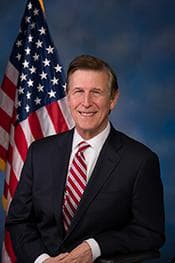
Donald S. Beyer
Democratic Representative
Virginia
Cosponsors (36)
Dwight Evans (Democratic)Becca Balint (Democratic)Robert C. "Bobby" Scott (Democratic)Mark Pocan (Democratic)Shontel M. Brown (Democratic)Pablo Jose Hernández (Democratic)David Scott (Democratic)Madeleine Dean (Democratic)Suzan K. DelBene (Democratic)Scott H. Peters (Democratic)Frank J. Mrvan (Democratic)Danny K. Davis (Democratic)Vicente Gonzalez (Democratic)Joaquin Castro (Democratic)Stephen F. Lynch (Democratic)Mark DeSaulnier (Democratic)Jahana Hayes (Democratic)Lucy McBath (Democratic)Pramila Jayapal (Democratic)Kathy Castor (Democratic)Betty McCollum (Democratic)Eleanor Holmes Norton (Democratic)Lateefah Simon (Democratic)Abraham J. Hamadeh (Republican)Janice D. Schakowsky (Democratic)Summer L. Lee (Democratic)William R. Keating (Democratic)Deborah K. Ross (Democratic)Seth Moulton (Democratic)Suzanne Bonamici (Democratic)Josh Gottheimer (Democratic)Linda T. Sánchez (Democratic)Nanette Diaz Barragán (Democratic)Rashida Tlaib (Democratic)Chellie Pingree (Democratic)Judy Chu (Democratic)
Armed Services Committee, Education and Workforce Committee
- Introduced
- In Committee
- On Floor
- Passed Chamber
- Enacted
This bill, titled the "Keeping All Students Safe Act," seeks to establish federal standards for the use of restraint and seclusion in schools and programs receiving federal financial assistance. It explicitly prohibits the use of seclusion, mechanical restraint, chemical restraint, and any physical restraint that is life-threatening, restricts breathing or blood flow, or is contraindicated for a student's medical condition. These prohibitions apply to program personnel, law enforcement officers, and school security guards. The legislation defines specific conditions under which physical restraint may be lawfully used. It must only be employed when a student's behavior poses an imminent danger of serious physical injury, and less restrictive interventions have proven ineffective. Such restraints must be imposed by trained and certified personnel, end immediately when the danger ceases, and not interfere with the student's communication. The bill mandates that physical restraint cannot be a planned intervention written into a student's individual education or behavior plan. Following any physical restraint incident, programs must provide immediate verbal or electronic notification to parents, followed by written notification within 24 hours detailing the incident. A meeting with parents, the student, personnel involved, and experts must occur within five school days to discuss the incident and plan proactive strategies. To ensure compliance, the bill establishes a private right of action for students subjected to unlawful restraint or seclusion, allowing them to sue the program. The Secretary of Education is tasked with investigating complaints and may withhold federal payments from non-compliant programs. Program personnel are protected from individual liability in such civil actions. States are required to submit annual plans demonstrating compliance with these policies, including mechanisms for monitoring and enforcement. These plans must undergo a public comment period. The bill also mandates comprehensive reporting requirements for incidents of physical restraint, disaggregated by factors such as injury, death, staff training status, law enforcement involvement, and student demographics, including disability status. Furthermore, the Act authorizes grants to State educational agencies to help them establish and enforce these policies, improve data collection, and enhance school climate. Grant funds can be used for prohibiting certain restraints, implementing prevention strategies, providing professional development and certification for school personnel, and analyzing data to identify needs. These grants also support the implementation of schoolwide positive behavioral interventions and supports , mental health supports, restorative justice programs, and trauma-informed care. The bill requires a national assessment to evaluate the Act's effectiveness, analyze data, and identify successful programs and training models. It also ensures that protection and advocacy systems are notified in cases of serious injury or death related to restraint or seclusion. The requirements extend to schools operated or funded by the Departments of the Interior and Defense, and the Act clarifies that it does not apply to private schools not receiving federal funds or to home schools.
View Full TextSuggested Questions
Get AI-generated questions to help you understand this bill better
Timeline
Introduced in House
Referred to the Committee on Education and Workforce, and in addition to the Committee on Armed Services, for a period to be subsequently determined by the Speaker, in each case for consideration of such provisions as fall within the jurisdiction of the committee concerned.
Education
Keeping All Students Safe Act
USA119th CongressHR-6617| House
| Updated: 12/11/2025
This bill, titled the "Keeping All Students Safe Act," seeks to establish federal standards for the use of restraint and seclusion in schools and programs receiving federal financial assistance. It explicitly prohibits the use of seclusion, mechanical restraint, chemical restraint, and any physical restraint that is life-threatening, restricts breathing or blood flow, or is contraindicated for a student's medical condition. These prohibitions apply to program personnel, law enforcement officers, and school security guards. The legislation defines specific conditions under which physical restraint may be lawfully used. It must only be employed when a student's behavior poses an imminent danger of serious physical injury, and less restrictive interventions have proven ineffective. Such restraints must be imposed by trained and certified personnel, end immediately when the danger ceases, and not interfere with the student's communication. The bill mandates that physical restraint cannot be a planned intervention written into a student's individual education or behavior plan. Following any physical restraint incident, programs must provide immediate verbal or electronic notification to parents, followed by written notification within 24 hours detailing the incident. A meeting with parents, the student, personnel involved, and experts must occur within five school days to discuss the incident and plan proactive strategies. To ensure compliance, the bill establishes a private right of action for students subjected to unlawful restraint or seclusion, allowing them to sue the program. The Secretary of Education is tasked with investigating complaints and may withhold federal payments from non-compliant programs. Program personnel are protected from individual liability in such civil actions. States are required to submit annual plans demonstrating compliance with these policies, including mechanisms for monitoring and enforcement. These plans must undergo a public comment period. The bill also mandates comprehensive reporting requirements for incidents of physical restraint, disaggregated by factors such as injury, death, staff training status, law enforcement involvement, and student demographics, including disability status. Furthermore, the Act authorizes grants to State educational agencies to help them establish and enforce these policies, improve data collection, and enhance school climate. Grant funds can be used for prohibiting certain restraints, implementing prevention strategies, providing professional development and certification for school personnel, and analyzing data to identify needs. These grants also support the implementation of schoolwide positive behavioral interventions and supports , mental health supports, restorative justice programs, and trauma-informed care. The bill requires a national assessment to evaluate the Act's effectiveness, analyze data, and identify successful programs and training models. It also ensures that protection and advocacy systems are notified in cases of serious injury or death related to restraint or seclusion. The requirements extend to schools operated or funded by the Departments of the Interior and Defense, and the Act clarifies that it does not apply to private schools not receiving federal funds or to home schools.
View Full TextSuggested Questions
Get AI-generated questions to help you understand this bill better
Timeline
Introduced in House
Referred to the Committee on Education and Workforce, and in addition to the Committee on Armed Services, for a period to be subsequently determined by the Speaker, in each case for consideration of such provisions as fall within the jurisdiction of the committee concerned.
Donald S. Beyer
Democratic Representative
Virginia
Cosponsors (36)
Dwight Evans (Democratic)Becca Balint (Democratic)Robert C. "Bobby" Scott (Democratic)Mark Pocan (Democratic)Shontel M. Brown (Democratic)Pablo Jose Hernández (Democratic)David Scott (Democratic)Madeleine Dean (Democratic)Suzan K. DelBene (Democratic)Scott H. Peters (Democratic)Frank J. Mrvan (Democratic)Danny K. Davis (Democratic)Vicente Gonzalez (Democratic)Joaquin Castro (Democratic)Stephen F. Lynch (Democratic)Mark DeSaulnier (Democratic)Jahana Hayes (Democratic)Lucy McBath (Democratic)Pramila Jayapal (Democratic)Kathy Castor (Democratic)Betty McCollum (Democratic)Eleanor Holmes Norton (Democratic)Lateefah Simon (Democratic)Abraham J. Hamadeh (Republican)Janice D. Schakowsky (Democratic)Summer L. Lee (Democratic)William R. Keating (Democratic)Deborah K. Ross (Democratic)Seth Moulton (Democratic)Suzanne Bonamici (Democratic)Josh Gottheimer (Democratic)Linda T. Sánchez (Democratic)Nanette Diaz Barragán (Democratic)Rashida Tlaib (Democratic)Chellie Pingree (Democratic)Judy Chu (Democratic)
Armed Services Committee, Education and Workforce Committee
Education
Related Bills
- Introduced
- In Committee
- On Floor
- Passed Chamber
- Enacted