PROSPER in the Pacific Act
USA119th CongressHR-6619| House
| Updated: 12/11/2025
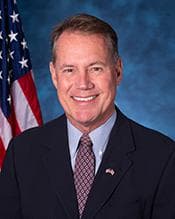
Ed Case
Democratic Representative
Hawaii
Ways and Means Committee
- Introduced
- In Committee
- On Floor
- Passed Chamber
- Enacted
The PROSPER in the Pacific Act authorizes preferential trade treatment for imports from Pacific Islands countries, aiming to strengthen U.S.-Pacific Islands economic ties, promote inclusive development, and advance a free and open Indo-Pacific. To qualify for preferential treatment, a Pacific Islands country must meet specific eligibility requirements, including those from the African Growth and Opportunity Act and the Trade Act of 1974, with certain income threshold waivers. The President cannot authorize preferential treatment if a country fails to effectively afford internationally recognized worker rights , engages in gross violations of human rights , or fails to enforce its environmental laws , particularly concerning illegal, unreported, and unregulated fishing. Additional factors for consideration include the country's progress toward the rule of law, political pluralism, economic policies to reduce poverty, and systems to combat corruption. The Act authorizes the President to designate eligible articles from qualifying Pacific Islands countries for preferential treatment, similar to benefits for least developed beneficiary developing countries. Furthermore, it declares a policy for negotiating free trade agreements with interested Pacific Islands countries to increase trade and private sector investment. The President is required to develop a plan for these negotiations, outlining objectives, benefits, timetables, and consultation procedures with Congress and the private sector. Within 180 days of enactment, the President must establish a trade facilitation and capacity building program for the Pacific Islands. This program will enhance governments' ability to support exporters, provide export finance training, assist in publishing trade regulations online, and increase access to guides for importers and exporters. The preferential treatment provided under this Act is set to terminate on December 31, 2036, and the President must submit annual reports on the implementation and U.S. trade policy for the region.
View Full TextSuggested Questions
Get AI-generated questions to help you understand this bill better
Timeline
Introduced in House
Referred to the House Committee on Ways and Means.
Foreign Trade and International Finance
PROSPER in the Pacific Act
USA119th CongressHR-6619| House
| Updated: 12/11/2025
The PROSPER in the Pacific Act authorizes preferential trade treatment for imports from Pacific Islands countries, aiming to strengthen U.S.-Pacific Islands economic ties, promote inclusive development, and advance a free and open Indo-Pacific. To qualify for preferential treatment, a Pacific Islands country must meet specific eligibility requirements, including those from the African Growth and Opportunity Act and the Trade Act of 1974, with certain income threshold waivers. The President cannot authorize preferential treatment if a country fails to effectively afford internationally recognized worker rights , engages in gross violations of human rights , or fails to enforce its environmental laws , particularly concerning illegal, unreported, and unregulated fishing. Additional factors for consideration include the country's progress toward the rule of law, political pluralism, economic policies to reduce poverty, and systems to combat corruption. The Act authorizes the President to designate eligible articles from qualifying Pacific Islands countries for preferential treatment, similar to benefits for least developed beneficiary developing countries. Furthermore, it declares a policy for negotiating free trade agreements with interested Pacific Islands countries to increase trade and private sector investment. The President is required to develop a plan for these negotiations, outlining objectives, benefits, timetables, and consultation procedures with Congress and the private sector. Within 180 days of enactment, the President must establish a trade facilitation and capacity building program for the Pacific Islands. This program will enhance governments' ability to support exporters, provide export finance training, assist in publishing trade regulations online, and increase access to guides for importers and exporters. The preferential treatment provided under this Act is set to terminate on December 31, 2036, and the President must submit annual reports on the implementation and U.S. trade policy for the region.
View Full TextSuggested Questions
Get AI-generated questions to help you understand this bill better
Timeline
Introduced in House
Referred to the House Committee on Ways and Means.
Ed Case
Democratic Representative
Hawaii
Ways and Means Committee
Foreign Trade and International Finance
- Introduced
- In Committee
- On Floor
- Passed Chamber
- Enacted