Safer Schools Act of 2025
USA119th CongressHR-6683| House
| Updated: 12/11/2025
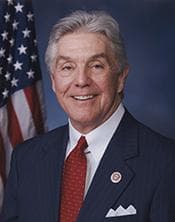
Roger Williams
Republican Representative
Texas
Cosponsors (3)
Judiciary Committee, Education and Workforce Committee
- Introduced
- In Committee
- On Floor
- Passed Chamber
- Enacted
The bill establishes a five-year pilot program, administered by the Attorney General, to provide grants to public schools for enhancing security. This program aims to encourage schools to conduct independent facility security risk assessments and implement hard security improvements based on the findings of these assessments. There are two distinct grant types: one for funding the security risk assessments and another for implementing physical security upgrades. Schools applying for assessment grants must certify their inability to cover the cost, while hard security improvement grants typically require a 50 percent matching fund, though this can be waived for financial need. Both grant types prioritize applications from schools that have experienced events involving deadly harm or attempts to inflict deadly harm. Hard security improvements include enhancements to school perimeters, building entrances, classrooms, video monitoring, alert systems, and visitor management technologies. Grant recipients for improvements must use funds for vulnerabilities identified in their assessments, install silent panic alarms linked directly to local law enforcement if needed, and ensure compliance with local building codes. The Attorney General is tasked with disseminating information about the grants and offering technical assistance to schools affected by violent incidents. Grant recipients must submit reports detailing assessment results, improvements made, and the impact on perceived safety, while the Attorney General will provide annual reports to Congress on the national state of school security. The program is authorized for significant appropriations over its five-year lifespan, with 30% allocated for assessments and 70% for improvements.
View Full TextSuggested Questions
Get AI-generated questions to help you understand this bill better
Timeline
Introduced in House
Referred to the Committee on Education and Workforce, and in addition to the Committee on the Judiciary, for a period to be subsequently determined by the Speaker, in each case for consideration of such provisions as fall within the jurisdiction of the committee concerned.
Education
Safer Schools Act of 2025
USA119th CongressHR-6683| House
| Updated: 12/11/2025
The bill establishes a five-year pilot program, administered by the Attorney General, to provide grants to public schools for enhancing security. This program aims to encourage schools to conduct independent facility security risk assessments and implement hard security improvements based on the findings of these assessments. There are two distinct grant types: one for funding the security risk assessments and another for implementing physical security upgrades. Schools applying for assessment grants must certify their inability to cover the cost, while hard security improvement grants typically require a 50 percent matching fund, though this can be waived for financial need. Both grant types prioritize applications from schools that have experienced events involving deadly harm or attempts to inflict deadly harm. Hard security improvements include enhancements to school perimeters, building entrances, classrooms, video monitoring, alert systems, and visitor management technologies. Grant recipients for improvements must use funds for vulnerabilities identified in their assessments, install silent panic alarms linked directly to local law enforcement if needed, and ensure compliance with local building codes. The Attorney General is tasked with disseminating information about the grants and offering technical assistance to schools affected by violent incidents. Grant recipients must submit reports detailing assessment results, improvements made, and the impact on perceived safety, while the Attorney General will provide annual reports to Congress on the national state of school security. The program is authorized for significant appropriations over its five-year lifespan, with 30% allocated for assessments and 70% for improvements.
View Full TextSuggested Questions
Get AI-generated questions to help you understand this bill better
Timeline
Introduced in House
Referred to the Committee on Education and Workforce, and in addition to the Committee on the Judiciary, for a period to be subsequently determined by the Speaker, in each case for consideration of such provisions as fall within the jurisdiction of the committee concerned.
Roger Williams
Republican Representative
Texas
Cosponsors (3)
Judiciary Committee, Education and Workforce Committee
Education
- Introduced
- In Committee
- On Floor
- Passed Chamber
- Enacted