Lower Health Care Premiums for All Americans Act
USA119th CongressHR-6703| House
| Updated: 12/18/2025
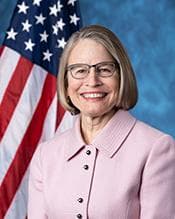
Mariannette Miller-Meeks
Republican Representative
Iowa
Ways and Means Committee, Energy and Commerce Committee, Education and Workforce Committee
- Introduced
- In Committee
- On Floor
- Passed Chamber
- Enacted
This bill, titled the "Lower Health Care Premiums for All Americans Act," seeks to improve access to affordable health insurance by expanding health care options for workers and increasing transparency in prescription drug pricing. It introduces significant changes to how group health plans operate and how pharmacy benefit managers disclose financial information, alongside provisions for funding cost-sharing reductions. Title I of the bill focuses on improving health care options for workers. It amends the Employee Retirement Income Security Act of 1974 (ERISA) to expand the availability of Association Health Plans (AHPs) , allowing groups of employers to form such plans even if they are not in the same industry. These AHPs must be formed for purposes other than just providing health coverage, have a formal governing structure, and have existed for at least two years before offering a plan. They are required to offer coverage to at least 51 employees and all employees of member employers, and cannot discriminate based on health status or deny coverage for pre-existing conditions. The bill also clarifies that AHPs may establish base premium rates using an actuarially sound, modified community rating methodology, and can adjust individual employer contribution rates based on their specific risk profiles, where state law permits. For groups composed solely of self-employed individuals, all participants must be treated as a single risk pool and charged the same premium rate. Furthermore, the legislation clarifies that medical stop-loss insurance for self-insured plans is not considered health insurance coverage and preempts state laws that might hinder plans from insuring against excess claims. Another key provision in Title I addresses Health Reimbursement Arrangements (HRAs) , specifically "custom health option and individual care expense arrangements" (CHOICE arrangements). These employer-funded HRAs, which reimburse medical care for individuals covered by individual health insurance or Medicare, are deemed to meet certain Affordable Care Act (ACA) requirements. The bill outlines nondiscrimination rules for offering these arrangements to specified employee classes and allows participants to purchase exchange insurance through cafeteria plans, with these benefits to be reported on W-2 forms starting in 2026. Title II focuses on lowering health care premiums, primarily through enhanced oversight of Pharmacy Benefit Management (PBM) services . It mandates that PBMs and related entities provide comprehensive, semi-annual reports to group health plans and health insurance issuers. These reports must disclose detailed information on drug pricing, including contracted compensation, the difference between payments to pharmacies and payments from plans, and the net price after rebates and other remuneration. The required PBM reports also include data on therapeutic drug classes, high-spending drugs, and financial arrangements with affiliated pharmacies. This includes gross and net spending, rebates received by both the plan/issuer and the PBM, and out-of-pocket spending by participants. The bill imposes significant civil monetary penalties for non-compliance or for knowingly providing false information, with the Secretaries of Health and Human Services, Labor, and the Treasury tasked with establishing standard reporting formats and regulations. Finally, Title II addresses the funding of cost-sharing reduction (CSR) payments under the ACA. It permanently appropriates necessary sums from the Treasury for these payments for plan years beginning on or after January 1, 2027. However, it explicitly prohibits the use of these funds for qualified health plans that cover abortion, except in cases necessary to save the life of the mother or when the pregnancy results from rape or incest.
Suggested Questions
Get AI-generated questions to help you understand this bill better
Timeline
Introduced in House
Referred to the Committee on Energy and Commerce, and in addition to the Committees on Education and Workforce, and Ways and Means, for a period to be subsequently determined by the Speaker, in each case for consideration of such provisions as fall within the jurisdiction of the committee concerned.
Rules Committee Resolution H. Res. 953 Reported to House. Rule provides for consideration of H.R. 6703, H.R. 498 and H.R. 3492. The resolution provides for consideration of H.R. 6703 and H.R. 498 under a closed rule and H.R. 3492 under a structured rule with one hour of general debate and one motion to recommit on each bill.
Considered under the provisions of rule H. Res. 953. (consideration: CR H5956-5977)
Rule provides for consideration of H.R. 6703, H.R. 498 and H.R. 3492. The resolution provides for consideration of H.R. 6703 and H.R. 498 under a closed rule and H.R. 3492 under a structured rule with one hour of general debate and one motion to recommit on each bill.
DEBATE - The House proceeded with one hour of debate on H.R. 6703.
The previous question was ordered pursuant to the rule.
Ms. Underwood moved to recommit to the Committee on Energy and Commerce. (text: CR H5977)
The previous question on the motion to recommit was ordered pursuant to clause 2(b) of rule XIX.
POSTPONED PROCEEDINGS - At the conclusion of debate on H.R. 6703, the Chair put the question on motion to recommit and by voice vote, announced the noes had prevailed. Ms. Underwood demanded the yeas and nays and the Chair postponed further proceedings until a time to be announced.
Considered as unfinished business. (consideration: CR H6006-6008)
On motion to recommit Failed by the Yeas and Nays: 210 - 218 (Roll no. 348).
View VoteOn passage Passed by the Yeas and Nays: 216 - 211 (Roll no. 349). (text: CR H5956-5966)
View VoteMotion to reconsider laid on the table Agreed to without objection.
Received in the Senate.
Health
Administrative law and regulatory proceduresCivil actions and liabilityContracts and agencyDepartment of Health and Human ServicesDisability and health-based discriminationEmployee benefits and pensionsGovernment information and archivesHealth care costs and insuranceHealth care coverage and accessHealth information and medical recordsHealth programs administration and fundingPrescription drugsRight of privacy
Lower Health Care Premiums for All Americans Act
USA119th CongressHR-6703| House
| Updated: 12/18/2025
This bill, titled the "Lower Health Care Premiums for All Americans Act," seeks to improve access to affordable health insurance by expanding health care options for workers and increasing transparency in prescription drug pricing. It introduces significant changes to how group health plans operate and how pharmacy benefit managers disclose financial information, alongside provisions for funding cost-sharing reductions. Title I of the bill focuses on improving health care options for workers. It amends the Employee Retirement Income Security Act of 1974 (ERISA) to expand the availability of Association Health Plans (AHPs) , allowing groups of employers to form such plans even if they are not in the same industry. These AHPs must be formed for purposes other than just providing health coverage, have a formal governing structure, and have existed for at least two years before offering a plan. They are required to offer coverage to at least 51 employees and all employees of member employers, and cannot discriminate based on health status or deny coverage for pre-existing conditions. The bill also clarifies that AHPs may establish base premium rates using an actuarially sound, modified community rating methodology, and can adjust individual employer contribution rates based on their specific risk profiles, where state law permits. For groups composed solely of self-employed individuals, all participants must be treated as a single risk pool and charged the same premium rate. Furthermore, the legislation clarifies that medical stop-loss insurance for self-insured plans is not considered health insurance coverage and preempts state laws that might hinder plans from insuring against excess claims. Another key provision in Title I addresses Health Reimbursement Arrangements (HRAs) , specifically "custom health option and individual care expense arrangements" (CHOICE arrangements). These employer-funded HRAs, which reimburse medical care for individuals covered by individual health insurance or Medicare, are deemed to meet certain Affordable Care Act (ACA) requirements. The bill outlines nondiscrimination rules for offering these arrangements to specified employee classes and allows participants to purchase exchange insurance through cafeteria plans, with these benefits to be reported on W-2 forms starting in 2026. Title II focuses on lowering health care premiums, primarily through enhanced oversight of Pharmacy Benefit Management (PBM) services . It mandates that PBMs and related entities provide comprehensive, semi-annual reports to group health plans and health insurance issuers. These reports must disclose detailed information on drug pricing, including contracted compensation, the difference between payments to pharmacies and payments from plans, and the net price after rebates and other remuneration. The required PBM reports also include data on therapeutic drug classes, high-spending drugs, and financial arrangements with affiliated pharmacies. This includes gross and net spending, rebates received by both the plan/issuer and the PBM, and out-of-pocket spending by participants. The bill imposes significant civil monetary penalties for non-compliance or for knowingly providing false information, with the Secretaries of Health and Human Services, Labor, and the Treasury tasked with establishing standard reporting formats and regulations. Finally, Title II addresses the funding of cost-sharing reduction (CSR) payments under the ACA. It permanently appropriates necessary sums from the Treasury for these payments for plan years beginning on or after January 1, 2027. However, it explicitly prohibits the use of these funds for qualified health plans that cover abortion, except in cases necessary to save the life of the mother or when the pregnancy results from rape or incest.
Suggested Questions
Get AI-generated questions to help you understand this bill better
Timeline
Introduced in House
Referred to the Committee on Energy and Commerce, and in addition to the Committees on Education and Workforce, and Ways and Means, for a period to be subsequently determined by the Speaker, in each case for consideration of such provisions as fall within the jurisdiction of the committee concerned.
Rules Committee Resolution H. Res. 953 Reported to House. Rule provides for consideration of H.R. 6703, H.R. 498 and H.R. 3492. The resolution provides for consideration of H.R. 6703 and H.R. 498 under a closed rule and H.R. 3492 under a structured rule with one hour of general debate and one motion to recommit on each bill.
Considered under the provisions of rule H. Res. 953. (consideration: CR H5956-5977)
Rule provides for consideration of H.R. 6703, H.R. 498 and H.R. 3492. The resolution provides for consideration of H.R. 6703 and H.R. 498 under a closed rule and H.R. 3492 under a structured rule with one hour of general debate and one motion to recommit on each bill.
DEBATE - The House proceeded with one hour of debate on H.R. 6703.
The previous question was ordered pursuant to the rule.
Ms. Underwood moved to recommit to the Committee on Energy and Commerce. (text: CR H5977)
The previous question on the motion to recommit was ordered pursuant to clause 2(b) of rule XIX.
POSTPONED PROCEEDINGS - At the conclusion of debate on H.R. 6703, the Chair put the question on motion to recommit and by voice vote, announced the noes had prevailed. Ms. Underwood demanded the yeas and nays and the Chair postponed further proceedings until a time to be announced.
Considered as unfinished business. (consideration: CR H6006-6008)
On motion to recommit Failed by the Yeas and Nays: 210 - 218 (Roll no. 348).
View VoteOn passage Passed by the Yeas and Nays: 216 - 211 (Roll no. 349). (text: CR H5956-5966)
View VoteMotion to reconsider laid on the table Agreed to without objection.
Received in the Senate.
Mariannette Miller-Meeks
Republican Representative
Iowa
Ways and Means Committee, Energy and Commerce Committee, Education and Workforce Committee
Health
Related Bills
- HR 119-2450: Prescription Drug Transparency and Affordability Act
- HRES 119-953: Providing for consideration of the bill (H.R. 6703) to ensure access to affordable health insurance; providing for consideration of the bill (H.R. 498) to amend title XIX of the Social Security Act to prohibit Federal Medicaid funding for gender transition procedures for minors; providing for consideration of the bill (H.R. 3492) to amend section 116 of title 18, United States Code, with respect to genital and bodily mutilation and chemical castration of minors; and relating to consideration of the bill (H.R. 4776) to amend the National Environmental Policy Act of 1969 to clarify ambiguous provisions and facilitate a more efficient, effective, and timely environmental review process.
- Introduced
- In Committee
- On Floor
- Passed Chamber
- Enacted
Administrative law and regulatory proceduresCivil actions and liabilityContracts and agencyDepartment of Health and Human ServicesDisability and health-based discriminationEmployee benefits and pensionsGovernment information and archivesHealth care costs and insuranceHealth care coverage and accessHealth information and medical recordsHealth programs administration and fundingPrescription drugsRight of privacy