ARMAS Act of 2025
USA119th CongressHR-6736| House
| Updated: 12/16/2025
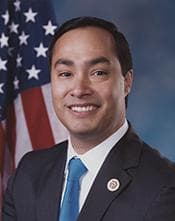
Joaquin Castro
Democratic Representative
Texas
Cosponsors (21)
Robin L. Kelly (Democratic)Robert Menendez (Democratic)Ilhan Omar (Democratic)Dina Titus (Democratic)Maxwell Frost (Democratic)Madeleine Dean (Democratic)Delia C. Ramirez (Democratic)Rosa L. DeLauro (Democratic)Greg Casar (Democratic)Sheila Cherfilus-McCormick (Democratic)Daniel S. Goldman (Democratic)Adelita S. Grijalva (Democratic)Pramila Jayapal (Democratic)Eleanor Holmes Norton (Democratic)Norma J. Torres (Democratic)Lateefah Simon (Democratic)James P. McGovern (Democratic)Nydia M. Velázquez (Democratic)Seth Magaziner (Democratic)Rashida Tlaib (Democratic)Debbie Wasserman Schultz (Democratic)
Foreign Affairs Committee
- Introduced
- In Committee
- On Floor
- Passed Chamber
- Enacted
This bill, known as the ARMAS Act of 2025, seeks to address the significant problem of United States-origin firearms fueling violence, organized crime, and human rights violations in Mexico, Central America, and the Caribbean. A core provision requires the transfer of regulatory control over certain munitions exports, specifically firearms that were previously moved from the United States Munitions List to the Commerce Control List, from the Department of Commerce to the Department of State within one year of enactment. This transfer is motivated by findings that firearm exports to these regions increased substantially after the Department of Commerce assumed licensing responsibility, with a notable lack of end-use checks and oversight. Following this transfer, the Department of State will assume full jurisdiction, and the bill explicitly prohibits the Secretary of State from subsequently transferring control of these munitions back to the Department of Commerce. Furthermore, the Department of Commerce is barred from taking any actions to promote the export of these previously covered items, or from seeking to reduce foreign restrictions on their marketing. This aims to prevent the U.S. government from inadvertently contributing to the proliferation of firearms in volatile regions. The legislation mandates comprehensive reporting and the development of an inter-agency strategy to disrupt illegal firearm trafficking. The Secretary of State, in consultation with other federal agencies, must submit a report on efforts to track end-users, ensure destruction of surplus firearms, prevent their use in human rights violations, and build capacity in affected countries. An inter-agency strategy will then be developed, outlining specific performance measures, targets, and resource estimates for combating trafficking, including improved tracking of trafficked firearms and data sharing with foreign counterparts. The bill designates specific countries as "covered countries," including Mexico, Haiti, and several Central American and Caribbean nations, which will be subject to enhanced scrutiny. For these countries, the transfer of covered munitions is prohibited until the Secretary of State certifies the establishment of a robust program. This program must prohibit retransfer without U.S. consent, maintain detailed records of origin and distribution, register serial numbers, and implement rigorous end-use monitoring . The Secretary of State must also review and recertify this program periodically, with a waiver option for national security interests during the initial year. To further enhance oversight, the Secretary of State is required to submit certifications to Congress for each export license granted for these transferred items, detailing the applicant, recipient, country, and value of the proposed export. These certifications are subject to congressional review periods of 15 or 30 days, during which Congress can pass a joint resolution of disapproval. Additionally, the bill directs the Secretary of State to increase participation in the eTrace program among law enforcement authorities in covered countries and to update the Caribbean Basin Security Initiative's framework with specific indicators for firearms trafficking.
View Full TextSuggested Questions
Get AI-generated questions to help you understand this bill better
Timeline
Introduced in House
Referred to the House Committee on Foreign Affairs.
International Affairs
ARMAS Act of 2025
USA119th CongressHR-6736| House
| Updated: 12/16/2025
This bill, known as the ARMAS Act of 2025, seeks to address the significant problem of United States-origin firearms fueling violence, organized crime, and human rights violations in Mexico, Central America, and the Caribbean. A core provision requires the transfer of regulatory control over certain munitions exports, specifically firearms that were previously moved from the United States Munitions List to the Commerce Control List, from the Department of Commerce to the Department of State within one year of enactment. This transfer is motivated by findings that firearm exports to these regions increased substantially after the Department of Commerce assumed licensing responsibility, with a notable lack of end-use checks and oversight. Following this transfer, the Department of State will assume full jurisdiction, and the bill explicitly prohibits the Secretary of State from subsequently transferring control of these munitions back to the Department of Commerce. Furthermore, the Department of Commerce is barred from taking any actions to promote the export of these previously covered items, or from seeking to reduce foreign restrictions on their marketing. This aims to prevent the U.S. government from inadvertently contributing to the proliferation of firearms in volatile regions. The legislation mandates comprehensive reporting and the development of an inter-agency strategy to disrupt illegal firearm trafficking. The Secretary of State, in consultation with other federal agencies, must submit a report on efforts to track end-users, ensure destruction of surplus firearms, prevent their use in human rights violations, and build capacity in affected countries. An inter-agency strategy will then be developed, outlining specific performance measures, targets, and resource estimates for combating trafficking, including improved tracking of trafficked firearms and data sharing with foreign counterparts. The bill designates specific countries as "covered countries," including Mexico, Haiti, and several Central American and Caribbean nations, which will be subject to enhanced scrutiny. For these countries, the transfer of covered munitions is prohibited until the Secretary of State certifies the establishment of a robust program. This program must prohibit retransfer without U.S. consent, maintain detailed records of origin and distribution, register serial numbers, and implement rigorous end-use monitoring . The Secretary of State must also review and recertify this program periodically, with a waiver option for national security interests during the initial year. To further enhance oversight, the Secretary of State is required to submit certifications to Congress for each export license granted for these transferred items, detailing the applicant, recipient, country, and value of the proposed export. These certifications are subject to congressional review periods of 15 or 30 days, during which Congress can pass a joint resolution of disapproval. Additionally, the bill directs the Secretary of State to increase participation in the eTrace program among law enforcement authorities in covered countries and to update the Caribbean Basin Security Initiative's framework with specific indicators for firearms trafficking.
View Full TextSuggested Questions
Get AI-generated questions to help you understand this bill better
Timeline
Introduced in House
Referred to the House Committee on Foreign Affairs.
Joaquin Castro
Democratic Representative
Texas
Cosponsors (21)
Robin L. Kelly (Democratic)Robert Menendez (Democratic)Ilhan Omar (Democratic)Dina Titus (Democratic)Maxwell Frost (Democratic)Madeleine Dean (Democratic)Delia C. Ramirez (Democratic)Rosa L. DeLauro (Democratic)Greg Casar (Democratic)Sheila Cherfilus-McCormick (Democratic)Daniel S. Goldman (Democratic)Adelita S. Grijalva (Democratic)Pramila Jayapal (Democratic)Eleanor Holmes Norton (Democratic)Norma J. Torres (Democratic)Lateefah Simon (Democratic)James P. McGovern (Democratic)Nydia M. Velázquez (Democratic)Seth Magaziner (Democratic)Rashida Tlaib (Democratic)Debbie Wasserman Schultz (Democratic)
Foreign Affairs Committee
International Affairs
- Introduced
- In Committee
- On Floor
- Passed Chamber
- Enacted