Clarity in Professional Degree Act
USA119th CongressHR-6739| House
| Updated: 12/16/2025
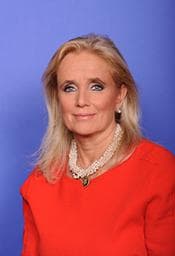
Debbie Dingell
Democratic Representative
Michigan
Education and Workforce Committee
- Introduced
- In Committee
- On Floor
- Passed Chamber
- Enacted
This bill, known as the "Clarity in Professional Degree Act," proposes to amend the Higher Education Act of 1965 by expanding the definition of a "professional degree." Its primary goal is to ensure that specific health, education, and graduate credentials remain eligible for federal student aid programs. The legislation responds to a Department of Education modification that reclassified numerous programs, potentially removing them from federal student aid eligibility starting July 1, 2026. Congress finds this reclassification detrimental to students with disabilities and fears it could exacerbate critical workforce shortages in fields essential to the nation's economy, safety, and health. To counteract this, the bill explicitly adds several degrees to the definition of a professional degree, including Nursing (A.D.N., R.N., B.S.N.), Occupational Therapy (M.O.T.), Physical Therapy (D.P.T.), Social Work (M.S.W.), Accounting (MAcc), and Architecture (M.Arch.). It also includes various master's degrees in Special and Secondary Education , Music Education , World Languages , and Public Health (M.P.H.), thereby safeguarding financial assistance for students in these professions.
View Full TextSuggested Questions
Get AI-generated questions to help you understand this bill better
Timeline
Introduced in House
Referred to the House Committee on Education and Workforce.
Education
Clarity in Professional Degree Act
USA119th CongressHR-6739| House
| Updated: 12/16/2025
This bill, known as the "Clarity in Professional Degree Act," proposes to amend the Higher Education Act of 1965 by expanding the definition of a "professional degree." Its primary goal is to ensure that specific health, education, and graduate credentials remain eligible for federal student aid programs. The legislation responds to a Department of Education modification that reclassified numerous programs, potentially removing them from federal student aid eligibility starting July 1, 2026. Congress finds this reclassification detrimental to students with disabilities and fears it could exacerbate critical workforce shortages in fields essential to the nation's economy, safety, and health. To counteract this, the bill explicitly adds several degrees to the definition of a professional degree, including Nursing (A.D.N., R.N., B.S.N.), Occupational Therapy (M.O.T.), Physical Therapy (D.P.T.), Social Work (M.S.W.), Accounting (MAcc), and Architecture (M.Arch.). It also includes various master's degrees in Special and Secondary Education , Music Education , World Languages , and Public Health (M.P.H.), thereby safeguarding financial assistance for students in these professions.
View Full TextSuggested Questions
Get AI-generated questions to help you understand this bill better
Timeline
Introduced in House
Referred to the House Committee on Education and Workforce.
Debbie Dingell
Democratic Representative
Michigan
Education and Workforce Committee
Education
- Introduced
- In Committee
- On Floor
- Passed Chamber
- Enacted