Honoring Family-Friendly Workplaces Act
USA119th CongressHR-6880| House
| Updated: 12/18/2025
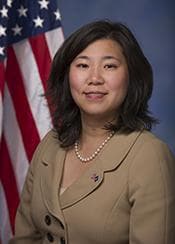
Grace Meng
Democratic Representative
New York
Cosponsors (3)
Education and Workforce Committee
- Introduced
- In Committee
- On Floor
- Passed Chamber
- Enacted
The "Honoring Family-Friendly Workplaces Act" mandates the Secretary of Labor to establish a national certification program. This program aims to recognize employers demonstrating a strong commitment to helping their employees balance workplace responsibilities with family obligations by offering a range of supportive policies and benefits. To qualify for this family-friendly certification , employers must implement several key provisions. These include providing assistance for fertility or adoption services, and offering at least 12 weeks of paid family leave for various reasons such as childbirth, adoption, foster care, personal or family serious health conditions, and military caregiving. Additionally, certified employers must offer paid sick days separate from general paid time off, and provide either a child care subsidy or policies allowing parents to work alongside their infants. Other required benefits include flexible hours for parents returning to work after a new child, remote work options for child care reasons where feasible, and comprehensive lactation support , such as reimbursement for milk delivery, access to pumps, and lactation consultants.
View Full TextSuggested Questions
Get AI-generated questions to help you understand this bill better
Timeline
Introduced in House
Referred to the House Committee on Education and Workforce.
Labor and Employment
Honoring Family-Friendly Workplaces Act
USA119th CongressHR-6880| House
| Updated: 12/18/2025
The "Honoring Family-Friendly Workplaces Act" mandates the Secretary of Labor to establish a national certification program. This program aims to recognize employers demonstrating a strong commitment to helping their employees balance workplace responsibilities with family obligations by offering a range of supportive policies and benefits. To qualify for this family-friendly certification , employers must implement several key provisions. These include providing assistance for fertility or adoption services, and offering at least 12 weeks of paid family leave for various reasons such as childbirth, adoption, foster care, personal or family serious health conditions, and military caregiving. Additionally, certified employers must offer paid sick days separate from general paid time off, and provide either a child care subsidy or policies allowing parents to work alongside their infants. Other required benefits include flexible hours for parents returning to work after a new child, remote work options for child care reasons where feasible, and comprehensive lactation support , such as reimbursement for milk delivery, access to pumps, and lactation consultants.
View Full TextSuggested Questions
Get AI-generated questions to help you understand this bill better
Timeline
Introduced in House
Referred to the House Committee on Education and Workforce.
Grace Meng
Democratic Representative
New York
Cosponsors (3)
Education and Workforce Committee
Labor and Employment
- Introduced
- In Committee
- On Floor
- Passed Chamber
- Enacted