Public Health Nursing Act
USA119th CongressHR-6989| House
| Updated: 1/8/2026
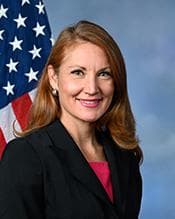
Melanie A. Stansbury
Democratic Representative
New Mexico
Cosponsors (10)
Energy and Commerce Committee
- Introduced
- In Committee
- On Floor
- Passed Chamber
- Enacted
The Public Health Nursing Act mandates the Secretary of Health and Human Services to implement activities aimed at establishing, expanding, and sustaining a robust public health nursing workforce. A primary mechanism for this initiative involves providing grants to State, local, and territorial public health departments. These funds are specifically designated to cover costs associated with recruiting, hiring, and training licensed registered nurses to serve as public health nurses, including their wages, benefits, and necessary medical supplies like personal protective equipment. Public health nurses supported by these grants would work in various settings, including public health facilities, mobile health clinics, acute care hospitals, or provide home visitation, with a particular focus on medically underserved areas. Grant priority is given to applicants proposing to serve populations experiencing high rates of chronic disease, infant or maternal mortality, low-income individuals, or those in health professional shortage areas. Additionally, applicants must demonstrate a plan for providing culturally and linguistically appropriate services and may be prioritized if they have collective bargaining agreements or policies protecting employee rights. The bill authorizes an appropriation of $5,000,000,000 annually for fiscal years 2026 through 2035 to carry out these vital activities.
View Full TextSuggested Questions
Get AI-generated questions to help you understand this bill better
Timeline
Introduced in House
Referred to the House Committee on Energy and Commerce.
Health
Public Health Nursing Act
USA119th CongressHR-6989| House
| Updated: 1/8/2026
The Public Health Nursing Act mandates the Secretary of Health and Human Services to implement activities aimed at establishing, expanding, and sustaining a robust public health nursing workforce. A primary mechanism for this initiative involves providing grants to State, local, and territorial public health departments. These funds are specifically designated to cover costs associated with recruiting, hiring, and training licensed registered nurses to serve as public health nurses, including their wages, benefits, and necessary medical supplies like personal protective equipment. Public health nurses supported by these grants would work in various settings, including public health facilities, mobile health clinics, acute care hospitals, or provide home visitation, with a particular focus on medically underserved areas. Grant priority is given to applicants proposing to serve populations experiencing high rates of chronic disease, infant or maternal mortality, low-income individuals, or those in health professional shortage areas. Additionally, applicants must demonstrate a plan for providing culturally and linguistically appropriate services and may be prioritized if they have collective bargaining agreements or policies protecting employee rights. The bill authorizes an appropriation of $5,000,000,000 annually for fiscal years 2026 through 2035 to carry out these vital activities.
View Full TextSuggested Questions
Get AI-generated questions to help you understand this bill better
Timeline
Introduced in House
Referred to the House Committee on Energy and Commerce.
Melanie A. Stansbury
Democratic Representative
New Mexico
Cosponsors (10)
Energy and Commerce Committee
Health
Related Bills
- Introduced
- In Committee
- On Floor
- Passed Chamber
- Enacted