Developing Overseas Mineral Investments and New Allied Networks for Critical Energies Act
USA119th CongressHR-7037| House
| Updated: 1/13/2026
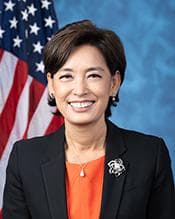
Young Kim
Republican Representative
California
Cosponsors (21)
Ed Case (Democratic)Robert J. Wittman (Republican)Vince Fong (Republican)Mariannette Miller-Meeks (Republican)Eugene Simon Vindman (Democratic)Jimmy Panetta (Democratic)Dina Titus (Democratic)Maria Elvira Salazar (Republican)Greg Stanton (Democratic)Gus M. Bilirakis (Republican)Andy Barr (Republican)Jefferson Shreve (Republican)Joaquin Castro (Democratic)Brian J. Mast (Republican)Ami Bera (Democratic)John R. Moolenaar (Republican)Aumua Amata Coleman Radewagen (Republican)Johnny Olszewski (Democratic)Bill Huizenga (Republican)Michael Lawler (Republican)Tim Moore (Republican)
Foreign Affairs Committee
- Introduced
- In Committee
- On Floor
- Passed Chamber
- Enacted
The Developing Overseas Mineral Investments and New Allied Networks for Critical Energies Act, or DOMINANCE Act, seeks to bolster United States and allied energy and mineral security. Its primary purpose is to reduce reliance on strategic competitors, particularly the People's Republic of China, for critical minerals and related technologies, which are deemed essential for national and economic security. Title I authorizes the Secretary of State to lead U.S. participation in a Minerals Security Partnership . This partnership aims to identify and support investments in critical mineral mining, processing, and refining projects globally, ensuring robust, secure, and transparent supply chains. It also mandates the development of a diplomatic strategy to secure critical mineral supply chains, including coordinating with allies and countering predatory economic practices. The bill directs the establishment of a database for critical mineral projects and requires the Secretary to develop a mechanism to support U.S. private sector entities pursuing such projects abroad. Furthermore, it authorizes U.S. membership in the International Nickel Study Group to enhance international cooperation on this vital mineral. Title II introduces Energy Security Compacts , multi-year agreements with partner countries designed to enhance their energy and economic security while countering economic coercion. These compacts will diversify critical mineral and energy supply chains and support economic growth through responsible resource development. An Office of Energy Security Compacts and an interagency Energy Security Compacts Council will be established to manage and coordinate these initiatives. Each compact must include a constraints analysis, specific objectives, a multiyear financial plan, and eligibility criteria for partner countries. Importantly, assistance under these compacts is prohibited from including military aid or supporting projects that cause substantial U.S. job loss or unmitigable environmental hazards. Title III authorizes the establishment of an Assistant Secretary for Energy Security and Diplomacy and a new Bureau of Energy Security and Diplomacy within the Department of State. These new roles will be responsible for formulating and implementing international energy, critical minerals, and supply chain policies, coordinating interagency efforts, and countering the weaponization of energy dependencies by adversaries. Finally, the bill amends the Mutual Educational and Cultural Exchange Act of 1961 to create two new programs: the Critical Mineral Mining Fellowship Program and the Visiting Mining Scholars Program . These initiatives aim to build a skilled U.S. mining workforce by sending U.S. citizens to study abroad and by bringing foreign mining academics and professionals to the U.S. to expand mining education and research, thereby strengthening the domestic critical mineral supply chain and reducing foreign dependency.
View Full TextSuggested Questions
Get AI-generated questions to help you understand this bill better
Timeline
Introduced in House
Referred to the House Committee on Foreign Affairs.
International Affairs
Developing Overseas Mineral Investments and New Allied Networks for Critical Energies Act
USA119th CongressHR-7037| House
| Updated: 1/13/2026
The Developing Overseas Mineral Investments and New Allied Networks for Critical Energies Act, or DOMINANCE Act, seeks to bolster United States and allied energy and mineral security. Its primary purpose is to reduce reliance on strategic competitors, particularly the People's Republic of China, for critical minerals and related technologies, which are deemed essential for national and economic security. Title I authorizes the Secretary of State to lead U.S. participation in a Minerals Security Partnership . This partnership aims to identify and support investments in critical mineral mining, processing, and refining projects globally, ensuring robust, secure, and transparent supply chains. It also mandates the development of a diplomatic strategy to secure critical mineral supply chains, including coordinating with allies and countering predatory economic practices. The bill directs the establishment of a database for critical mineral projects and requires the Secretary to develop a mechanism to support U.S. private sector entities pursuing such projects abroad. Furthermore, it authorizes U.S. membership in the International Nickel Study Group to enhance international cooperation on this vital mineral. Title II introduces Energy Security Compacts , multi-year agreements with partner countries designed to enhance their energy and economic security while countering economic coercion. These compacts will diversify critical mineral and energy supply chains and support economic growth through responsible resource development. An Office of Energy Security Compacts and an interagency Energy Security Compacts Council will be established to manage and coordinate these initiatives. Each compact must include a constraints analysis, specific objectives, a multiyear financial plan, and eligibility criteria for partner countries. Importantly, assistance under these compacts is prohibited from including military aid or supporting projects that cause substantial U.S. job loss or unmitigable environmental hazards. Title III authorizes the establishment of an Assistant Secretary for Energy Security and Diplomacy and a new Bureau of Energy Security and Diplomacy within the Department of State. These new roles will be responsible for formulating and implementing international energy, critical minerals, and supply chain policies, coordinating interagency efforts, and countering the weaponization of energy dependencies by adversaries. Finally, the bill amends the Mutual Educational and Cultural Exchange Act of 1961 to create two new programs: the Critical Mineral Mining Fellowship Program and the Visiting Mining Scholars Program . These initiatives aim to build a skilled U.S. mining workforce by sending U.S. citizens to study abroad and by bringing foreign mining academics and professionals to the U.S. to expand mining education and research, thereby strengthening the domestic critical mineral supply chain and reducing foreign dependency.
View Full TextSuggested Questions
Get AI-generated questions to help you understand this bill better
Timeline
Introduced in House
Referred to the House Committee on Foreign Affairs.
Young Kim
Republican Representative
California
Cosponsors (21)
Ed Case (Democratic)Robert J. Wittman (Republican)Vince Fong (Republican)Mariannette Miller-Meeks (Republican)Eugene Simon Vindman (Democratic)Jimmy Panetta (Democratic)Dina Titus (Democratic)Maria Elvira Salazar (Republican)Greg Stanton (Democratic)Gus M. Bilirakis (Republican)Andy Barr (Republican)Jefferson Shreve (Republican)Joaquin Castro (Democratic)Brian J. Mast (Republican)Ami Bera (Democratic)John R. Moolenaar (Republican)Aumua Amata Coleman Radewagen (Republican)Johnny Olszewski (Democratic)Bill Huizenga (Republican)Michael Lawler (Republican)Tim Moore (Republican)
Foreign Affairs Committee
International Affairs
- Introduced
- In Committee
- On Floor
- Passed Chamber
- Enacted