Ensuring Seniors’ Access to Quality Care Act
USA119th CongressHR-7096| House
| Updated: 1/15/2026
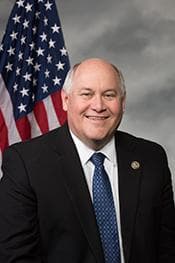
Ron Estes
Republican Representative
Kansas
Ways and Means Committee, Energy and Commerce Committee
- Introduced
- In Committee
- On Floor
- Passed Chamber
- Enacted
This bill amends titles XVIII (Medicare) and XIX (Medicaid) of the Social Security Act to revise the conditions under which skilled nursing facilities and nursing facilities may operate nursing aide training and competency evaluation programs. The legislation aims to ensure that only facilities maintaining high standards of care are eligible to train individuals for these critical roles, thereby enhancing the quality of care provided to residents. Specifically, the bill modifies existing provisions to prohibit facilities from operating such programs if they have been assessed a civil money penalty of not less than $12,924 for a deficiency related to resident quality of care. Additionally, facilities that have been subject to certain serious enforcement remedies, as outlined in the Social Security Act, will also be deemed ineligible to conduct these training programs. These changes are intended to strengthen oversight and accountability for nursing aide training programs.
View Full TextSuggested Questions
Get AI-generated questions to help you understand this bill better
Timeline
Introduced in House
Referred to the Committee on Ways and Means, and in addition to the Committee on Energy and Commerce, for a period to be subsequently determined by the Speaker, in each case for consideration of such provisions as fall within the jurisdiction of the committee concerned.
Ensuring Seniors’ Access to Quality Care Act
USA119th CongressHR-7096| House
| Updated: 1/15/2026
This bill amends titles XVIII (Medicare) and XIX (Medicaid) of the Social Security Act to revise the conditions under which skilled nursing facilities and nursing facilities may operate nursing aide training and competency evaluation programs. The legislation aims to ensure that only facilities maintaining high standards of care are eligible to train individuals for these critical roles, thereby enhancing the quality of care provided to residents. Specifically, the bill modifies existing provisions to prohibit facilities from operating such programs if they have been assessed a civil money penalty of not less than $12,924 for a deficiency related to resident quality of care. Additionally, facilities that have been subject to certain serious enforcement remedies, as outlined in the Social Security Act, will also be deemed ineligible to conduct these training programs. These changes are intended to strengthen oversight and accountability for nursing aide training programs.
View Full TextSuggested Questions
Get AI-generated questions to help you understand this bill better
Timeline
Introduced in House
Referred to the Committee on Ways and Means, and in addition to the Committee on Energy and Commerce, for a period to be subsequently determined by the Speaker, in each case for consideration of such provisions as fall within the jurisdiction of the committee concerned.
Ron Estes
Republican Representative
Kansas
Ways and Means Committee, Energy and Commerce Committee
- Introduced
- In Committee
- On Floor
- Passed Chamber
- Enacted