PORCUPINE Act
USA119th CongressHR-7146| House
| Updated: 1/16/2026
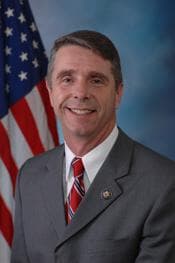
Robert J. Wittman
Republican Representative
Virginia
Cosponsors (31)
Ryan K. Zinke (Republican)Neal P. Dunn (Republican)Patrick Ryan (Democratic)Zachary Nunn (Republican)Mariannette Miller-Meeks (Republican)Eric Swalwell (Democratic)Donald G. Davis (Democratic)Thomas R. Suozzi (Democratic)Ken Calvert (Republican)Ted Lieu (Democratic)Maria Elvira Salazar (Republican)Thomas H. Kean (Republican)George Latimer (Democratic)Andy Barr (Republican)Jefferson Shreve (Republican)Ami Bera (Democratic)Charles J. "Chuck" Fleischmann (Republican)Brad Sherman (Democratic)Pat Harrigan (Republican)Michael T. McCaul (Republican)Mike Quigley (Democratic)James C. Moylan (Republican)John J. McGuire (Republican)Jared Moskowitz (Democratic)Michael Lawler (Republican)Bradley Scott Schneider (Democratic)Tracey Mann (Republican)Ryan Mackenzie (Republican)Robert B. Aderholt (Republican)Debbie Wasserman Schultz (Democratic)Jennifer A. Kiggans (Republican)
Foreign Affairs Committee
- Introduced
- In Committee
- On Floor
- Passed Chamber
- Enacted
This bill, known as the PORCUPINE Act, amends the Arms Export Control Act to include Taiwan among the nations eligible for shorter certification and reporting periods for defense articles and services. These changes streamline processes for arms sales and military assistance, placing Taiwan alongside close allies like New Zealand and Israel for expedited transfers of defense capabilities. The legislation also mandates a feasibility assessment by the Secretary of State for establishing an expedited decision-making process for third-party transfers of military equipment to Taiwan. This assessment, due within 90 days, would cover transfers from key allies such as NATO members, Japan, Australia, South Korea, New Zealand, and Israel. It specifically explores requiring licensing applications for government-to-government agreements to be processed within 15 days, and other requests within 30 days. Additionally, the bill requires biennial reports on the amendments' effectiveness and includes a rule of construction affirming that it does not alter existing U.S. policy toward Taiwan. The Act is designed to sunset seven years after its enactment.
View Full TextSuggested Questions
Get AI-generated questions to help you understand this bill better
Timeline
Introduced in House
Referred to the House Committee on Foreign Affairs.
International Affairs
PORCUPINE Act
USA119th CongressHR-7146| House
| Updated: 1/16/2026
This bill, known as the PORCUPINE Act, amends the Arms Export Control Act to include Taiwan among the nations eligible for shorter certification and reporting periods for defense articles and services. These changes streamline processes for arms sales and military assistance, placing Taiwan alongside close allies like New Zealand and Israel for expedited transfers of defense capabilities. The legislation also mandates a feasibility assessment by the Secretary of State for establishing an expedited decision-making process for third-party transfers of military equipment to Taiwan. This assessment, due within 90 days, would cover transfers from key allies such as NATO members, Japan, Australia, South Korea, New Zealand, and Israel. It specifically explores requiring licensing applications for government-to-government agreements to be processed within 15 days, and other requests within 30 days. Additionally, the bill requires biennial reports on the amendments' effectiveness and includes a rule of construction affirming that it does not alter existing U.S. policy toward Taiwan. The Act is designed to sunset seven years after its enactment.
View Full TextSuggested Questions
Get AI-generated questions to help you understand this bill better
Timeline
Introduced in House
Referred to the House Committee on Foreign Affairs.
Robert J. Wittman
Republican Representative
Virginia
Cosponsors (31)
Ryan K. Zinke (Republican)Neal P. Dunn (Republican)Patrick Ryan (Democratic)Zachary Nunn (Republican)Mariannette Miller-Meeks (Republican)Eric Swalwell (Democratic)Donald G. Davis (Democratic)Thomas R. Suozzi (Democratic)Ken Calvert (Republican)Ted Lieu (Democratic)Maria Elvira Salazar (Republican)Thomas H. Kean (Republican)George Latimer (Democratic)Andy Barr (Republican)Jefferson Shreve (Republican)Ami Bera (Democratic)Charles J. "Chuck" Fleischmann (Republican)Brad Sherman (Democratic)Pat Harrigan (Republican)Michael T. McCaul (Republican)Mike Quigley (Democratic)James C. Moylan (Republican)John J. McGuire (Republican)Jared Moskowitz (Democratic)Michael Lawler (Republican)Bradley Scott Schneider (Democratic)Tracey Mann (Republican)Ryan Mackenzie (Republican)Robert B. Aderholt (Republican)Debbie Wasserman Schultz (Democratic)Jennifer A. Kiggans (Republican)
Foreign Affairs Committee
International Affairs
Related Bills
- Introduced
- In Committee
- On Floor
- Passed Chamber
- Enacted