Countering Captagon and Narcotics Post-Assad Act
USA119th CongressHR-7180| House
| Updated: 1/21/2026
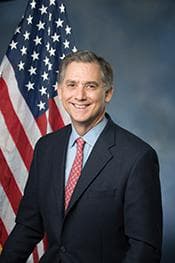
J. French Hill
Republican Representative
Arkansas
Cosponsors (2)
Foreign Affairs Committee
- Introduced
- In Committee
- On Floor
- Passed Chamber
- Enacted
The "Countering Captagon and Narcotics Post-Assad Act" amends the National Defense Authorization Act for Fiscal Year 2023 to significantly modify the interagency strategy for disrupting narcotics production and trafficking in the Middle East. It broadens the scope beyond Captagon linked to the Assad regime to include methamphetamine and other amphetamine-type stimulants , particularly noting their evolving patterns following the fall of the Assad regime and their threat to regional stability and U.S. interests. The bill mandates that the interagency strategy be unclassified and include a comprehensive assessment of evolving drug production and trafficking patterns within the United States Central Command's area of responsibility. This assessment must identify countries involved in large shipments, evaluate their counter-narcotics capacities , and review current U.S. assistance and training programs. Furthermore, the strategy must assess cooperation with international partners and provide recommendations to dismantle these networks, specifically targeting those connected to the former Assad regime, Hezbollah, and Iran-backed proxies.
View Full TextSuggested Questions
Get AI-generated questions to help you understand this bill better
Timeline
Introduced in House
Referred to the House Committee on Foreign Affairs.
International Affairs
Countering Captagon and Narcotics Post-Assad Act
USA119th CongressHR-7180| House
| Updated: 1/21/2026
The "Countering Captagon and Narcotics Post-Assad Act" amends the National Defense Authorization Act for Fiscal Year 2023 to significantly modify the interagency strategy for disrupting narcotics production and trafficking in the Middle East. It broadens the scope beyond Captagon linked to the Assad regime to include methamphetamine and other amphetamine-type stimulants , particularly noting their evolving patterns following the fall of the Assad regime and their threat to regional stability and U.S. interests. The bill mandates that the interagency strategy be unclassified and include a comprehensive assessment of evolving drug production and trafficking patterns within the United States Central Command's area of responsibility. This assessment must identify countries involved in large shipments, evaluate their counter-narcotics capacities , and review current U.S. assistance and training programs. Furthermore, the strategy must assess cooperation with international partners and provide recommendations to dismantle these networks, specifically targeting those connected to the former Assad regime, Hezbollah, and Iran-backed proxies.
View Full TextSuggested Questions
Get AI-generated questions to help you understand this bill better
Timeline
Introduced in House
Referred to the House Committee on Foreign Affairs.
J. French Hill
Republican Representative
Arkansas
Cosponsors (2)
Foreign Affairs Committee
International Affairs
- Introduced
- In Committee
- On Floor
- Passed Chamber
- Enacted