Buying American Cotton Act of 2026
USA119th CongressHR-7230| House
| Updated: 1/22/2026
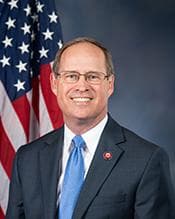
Gregory F. Murphy
Republican Representative
North Carolina
Cosponsors (56)
Paul A. Gosar (Republican)Barry Moore (Republican)David Kustoff (Republican)Frank D. Lucas (Republican)Trent Kelly (Republican)Sylvia R. Garcia (Democratic)Eric A. "Rick" Crawford (Republican)Shomari Figures (Democratic)Joyce Beatty (Democratic)Gabe Vasquez (Democratic)Rick W. Allen (Republican)Sanford D. Bishop (Democratic)Mike Collins (Republican)Vince Fong (Republican)Mike Ezell (Republican)Glenn Thompson (Republican)Shontel M. Brown (Democratic)David Scott (Democratic)Mike Carey (Republican)Terri A. Sewell (Democratic)Young Kim (Republican)William R. Timmons (Republican)David Rouzer (Republican)Steve Cohen (Democratic)Donald G. Davis (Democratic)Earl L. "Buddy" Carter (Republican)Adriano Espaillat (Democratic)Vicente Gonzalez (Democratic)J. French Hill (Republican)Greg Stanton (Democratic)Ronny Jackson (Republican)Jake Ellzey (Republican)Mike D. Rogers (Republican)Alma S. Adams (Democratic)Josh Harder (Democratic)Sydney Kamlager-Dove (Democratic)Austin Scott (Republican)August Pfluger (Republican)Henry Cuellar (Democratic)Michael T. McCaul (Republican)Salud O. Carbajal (Democratic)Josh Riley (Democratic)Jim Costa (Democratic)Julia Letlow (Republican)David G. Valadao (Republican)Dale W. Strong (Republican)Adam Gray (Democratic)Deborah K. Ross (Democratic)Mark Harris (Republican)Josh Gottheimer (Democratic)Ralph Norman (Republican)Jimmy Patronis (Republican)Tracey Mann (Republican)Jennifer A. Kiggans (Republican)Chellie Pingree (Democratic)Michael Guest (Republican)
Ways and Means Committee
- Introduced
- In Committee
- On Floor
- Passed Chamber
- Enacted
This legislation introduces a new domestic cotton consumption credit within the Internal Revenue Code, designed to encourage the use of cotton grown in the United States and products derived from it. A key purpose is to support the domestic cotton industry by providing a financial incentive for manufacturers and retailers. The credit is calculated based on the documented volume of qualified cotton in an eligible article sold, multiplied by an applicable percentage and the applicable cotton market price . The applicable percentage varies, offering 24% for articles processed solely in the U.S. or in countries with U.S. free trade agreements, and 18% if processing occurs in other countries. To qualify, cotton must be grown in the United States and meet stringent proof of origin requirements , including a permanent bale identification number or other Secretary-determined methods. Furthermore, the bill mandates that the movement and volume of this cotton be digitally traced through the entire supply chain, from its U.S. origin to the final processing stage into an eligible article. The credit applies to "eligible articles," defined as products in their final condition, ready for retail sale, and comprised in whole or in part of qualified cotton. The bill also provides for increased credit amounts for products containing qualified cotton yarn (1.6 times the base credit) and qualified cotton fabric (6.5 times the base credit) if these components are made in the U.S. from qualified cotton. The Secretary of the Treasury, in consultation with the Secretary of Agriculture, is tasked with prescribing regulations to implement this credit, including systems to prevent double-claiming and to ensure the integrity of the digital tracing and certification processes. This credit is also made transferable, allowing eligible taxpayers to sell it.
View Full TextSuggested Questions
Get AI-generated questions to help you understand this bill better
Timeline
Introduced in House
Referred to the House Committee on Ways and Means.
Taxation
Buying American Cotton Act of 2026
USA119th CongressHR-7230| House
| Updated: 1/22/2026
This legislation introduces a new domestic cotton consumption credit within the Internal Revenue Code, designed to encourage the use of cotton grown in the United States and products derived from it. A key purpose is to support the domestic cotton industry by providing a financial incentive for manufacturers and retailers. The credit is calculated based on the documented volume of qualified cotton in an eligible article sold, multiplied by an applicable percentage and the applicable cotton market price . The applicable percentage varies, offering 24% for articles processed solely in the U.S. or in countries with U.S. free trade agreements, and 18% if processing occurs in other countries. To qualify, cotton must be grown in the United States and meet stringent proof of origin requirements , including a permanent bale identification number or other Secretary-determined methods. Furthermore, the bill mandates that the movement and volume of this cotton be digitally traced through the entire supply chain, from its U.S. origin to the final processing stage into an eligible article. The credit applies to "eligible articles," defined as products in their final condition, ready for retail sale, and comprised in whole or in part of qualified cotton. The bill also provides for increased credit amounts for products containing qualified cotton yarn (1.6 times the base credit) and qualified cotton fabric (6.5 times the base credit) if these components are made in the U.S. from qualified cotton. The Secretary of the Treasury, in consultation with the Secretary of Agriculture, is tasked with prescribing regulations to implement this credit, including systems to prevent double-claiming and to ensure the integrity of the digital tracing and certification processes. This credit is also made transferable, allowing eligible taxpayers to sell it.
View Full TextSuggested Questions
Get AI-generated questions to help you understand this bill better
Timeline
Introduced in House
Referred to the House Committee on Ways and Means.
Gregory F. Murphy
Republican Representative
North Carolina
Cosponsors (56)
Paul A. Gosar (Republican)Barry Moore (Republican)David Kustoff (Republican)Frank D. Lucas (Republican)Trent Kelly (Republican)Sylvia R. Garcia (Democratic)Eric A. "Rick" Crawford (Republican)Shomari Figures (Democratic)Joyce Beatty (Democratic)Gabe Vasquez (Democratic)Rick W. Allen (Republican)Sanford D. Bishop (Democratic)Mike Collins (Republican)Vince Fong (Republican)Mike Ezell (Republican)Glenn Thompson (Republican)Shontel M. Brown (Democratic)David Scott (Democratic)Mike Carey (Republican)Terri A. Sewell (Democratic)Young Kim (Republican)William R. Timmons (Republican)David Rouzer (Republican)Steve Cohen (Democratic)Donald G. Davis (Democratic)Earl L. "Buddy" Carter (Republican)Adriano Espaillat (Democratic)Vicente Gonzalez (Democratic)J. French Hill (Republican)Greg Stanton (Democratic)Ronny Jackson (Republican)Jake Ellzey (Republican)Mike D. Rogers (Republican)Alma S. Adams (Democratic)Josh Harder (Democratic)Sydney Kamlager-Dove (Democratic)Austin Scott (Republican)August Pfluger (Republican)Henry Cuellar (Democratic)Michael T. McCaul (Republican)Salud O. Carbajal (Democratic)Josh Riley (Democratic)Jim Costa (Democratic)Julia Letlow (Republican)David G. Valadao (Republican)Dale W. Strong (Republican)Adam Gray (Democratic)Deborah K. Ross (Democratic)Mark Harris (Republican)Josh Gottheimer (Democratic)Ralph Norman (Republican)Jimmy Patronis (Republican)Tracey Mann (Republican)Jennifer A. Kiggans (Republican)Chellie Pingree (Democratic)Michael Guest (Republican)
Ways and Means Committee
Taxation
Related Bills
- Introduced
- In Committee
- On Floor
- Passed Chamber
- Enacted