SECURE Grid Act
USA119th CongressHR-7257| House
| Updated: 2/4/2026
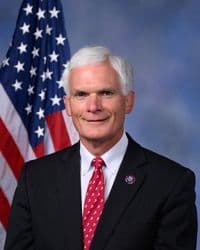
Robert E. Latta
Republican Representative
Ohio
Energy Subcommittee, Energy and Commerce Committee
- Introduced
- In Committee
- On Floor
- Passed Chamber
- Enacted
This bill, known as the SECURE Grid Act , amends the Energy Policy and Conservation Act to strengthen energy security planning at the state level by requiring states to include provisions for the physical security, cybersecurity, and resilience of local distribution systems in their energy security plans. It defines a "local distribution system" as electric utility infrastructure operating at 100 kilovolts or less, ensuring a focus on critical local grid components. States must now address a broader range of potential hazards, including physical attacks on local distribution systems, weather-related threats, supply chain risks for equipment, and cybersecurity vulnerabilities that could impact the bulk-power system. These updated plans must also outline risk mitigation approaches to enhance overall grid reliability and end-use resilience, with the program's authorization extended until 2030 to ensure a sustained focus on protecting critical energy infrastructure.
View Full TextSuggested Questions
Get AI-generated questions to help you understand this bill better
Timeline
Introduced in House
Referred to the House Committee on Energy and Commerce.
Referred to the Subcommittee on Energy.
Subcommittee Consideration and Mark-up Session Held
Forwarded by Subcommittee to Full Committee by Voice Vote.
Energy
Computers and information technologyComputer security and identity theftElectric power generation and transmissionPublic utilities and utility ratesState and local government operations
SECURE Grid Act
USA119th CongressHR-7257| House
| Updated: 2/4/2026
This bill, known as the SECURE Grid Act , amends the Energy Policy and Conservation Act to strengthen energy security planning at the state level by requiring states to include provisions for the physical security, cybersecurity, and resilience of local distribution systems in their energy security plans. It defines a "local distribution system" as electric utility infrastructure operating at 100 kilovolts or less, ensuring a focus on critical local grid components. States must now address a broader range of potential hazards, including physical attacks on local distribution systems, weather-related threats, supply chain risks for equipment, and cybersecurity vulnerabilities that could impact the bulk-power system. These updated plans must also outline risk mitigation approaches to enhance overall grid reliability and end-use resilience, with the program's authorization extended until 2030 to ensure a sustained focus on protecting critical energy infrastructure.
View Full TextSuggested Questions
Get AI-generated questions to help you understand this bill better
Timeline
Introduced in House
Referred to the House Committee on Energy and Commerce.
Referred to the Subcommittee on Energy.
Subcommittee Consideration and Mark-up Session Held
Forwarded by Subcommittee to Full Committee by Voice Vote.
Robert E. Latta
Republican Representative
Ohio
Energy Subcommittee, Energy and Commerce Committee
Energy
- Introduced
- In Committee
- On Floor
- Passed Chamber
- Enacted
Computers and information technologyComputer security and identity theftElectric power generation and transmissionPublic utilities and utility ratesState and local government operations