Federal Acquisition Security Council Improvement Act of 2026
USA119th CongressHR-7274| House
| Updated: 2/4/2026
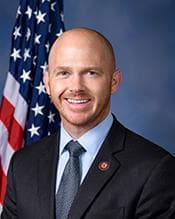
William R. Timmons
Republican Representative
South Carolina
Cosponsors (3)
Oversight and Government Reform Committee
- Introduced
- In Committee
- On Floor
- Passed Chamber
- Enacted
The Federal Acquisition Security Council Improvement Act of 2026 aims to enhance the effectiveness of the Federal Acquisition Security Council (FASC) in addressing acquisition security and supply chain risks within federal procurement. It redefines key terms, including "source of concern" to encompass entities under foreign adversary control or posing national security risks, and introduces "covered source of concern" for statutorily designated entities. The bill also establishes "recommended orders" and "designated orders" to differentiate between FASC recommendations and mandatory actions. The legislation relocates the FASC to the Executive Office of the President and significantly expands its membership to include high-level officials from various agencies, such as the Office of the Director of National Intelligence, Department of Defense, and Department of Homeland Security, with a focus on expertise in supply chain risk management. It also mandates the creation of a Federal Acquisition Security Council Program Office within the Executive Office of the President to provide administrative, legal, and policy support to the Council. A core provision of the bill is the establishment of a more robust process for issuing exclusion and removal orders. For covered sources of concern , the FASC is required to provide designated orders for exclusion from procurement actions or removal of covered articles within 270 days, or report to Congress with justification. These orders, along with recommended orders for other sources of concern, are then issued by the Secretary of Homeland Security, Secretary of Defense, or Director of National Intelligence, depending on the affected agency. The bill outlines specific content requirements for these orders, including risk assessments and potential mitigation steps. It also allows for the exclusion or removal of "second-order sources" that utilize a covered source of concern. While officials can waive designated orders for limited periods with congressional notification, only the FASC can rescind such orders. Furthermore, the legislation requires the FASC to coordinate with agencies to ensure compliance with existing prohibitions related to foreign adversaries and mandates periodic updates to the FASC's strategic plan and regulations.
View Full TextSuggested Questions
Get AI-generated questions to help you understand this bill better
Timeline
Introduced in House
Referred to the House Committee on Oversight and Government Reform.
Committee Consideration and Mark-up Session Held
Ordered to be Reported (Amended) by the Yeas and Nays: 40 - 1.
Government Operations and Politics
Federal Acquisition Security Council Improvement Act of 2026
USA119th CongressHR-7274| House
| Updated: 2/4/2026
The Federal Acquisition Security Council Improvement Act of 2026 aims to enhance the effectiveness of the Federal Acquisition Security Council (FASC) in addressing acquisition security and supply chain risks within federal procurement. It redefines key terms, including "source of concern" to encompass entities under foreign adversary control or posing national security risks, and introduces "covered source of concern" for statutorily designated entities. The bill also establishes "recommended orders" and "designated orders" to differentiate between FASC recommendations and mandatory actions. The legislation relocates the FASC to the Executive Office of the President and significantly expands its membership to include high-level officials from various agencies, such as the Office of the Director of National Intelligence, Department of Defense, and Department of Homeland Security, with a focus on expertise in supply chain risk management. It also mandates the creation of a Federal Acquisition Security Council Program Office within the Executive Office of the President to provide administrative, legal, and policy support to the Council. A core provision of the bill is the establishment of a more robust process for issuing exclusion and removal orders. For covered sources of concern , the FASC is required to provide designated orders for exclusion from procurement actions or removal of covered articles within 270 days, or report to Congress with justification. These orders, along with recommended orders for other sources of concern, are then issued by the Secretary of Homeland Security, Secretary of Defense, or Director of National Intelligence, depending on the affected agency. The bill outlines specific content requirements for these orders, including risk assessments and potential mitigation steps. It also allows for the exclusion or removal of "second-order sources" that utilize a covered source of concern. While officials can waive designated orders for limited periods with congressional notification, only the FASC can rescind such orders. Furthermore, the legislation requires the FASC to coordinate with agencies to ensure compliance with existing prohibitions related to foreign adversaries and mandates periodic updates to the FASC's strategic plan and regulations.
View Full TextSuggested Questions
Get AI-generated questions to help you understand this bill better
Timeline
Introduced in House
Referred to the House Committee on Oversight and Government Reform.
Committee Consideration and Mark-up Session Held
Ordered to be Reported (Amended) by the Yeas and Nays: 40 - 1.
William R. Timmons
Republican Representative
South Carolina
Cosponsors (3)
Oversight and Government Reform Committee
Government Operations and Politics
- Introduced
- In Committee
- On Floor
- Passed Chamber
- Enacted