Expanding Head Start Eligibility Act of 2025
USA119th CongressHR-728| House
| Updated: 1/24/2025
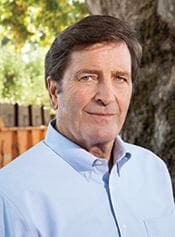
John Garamendi
Democratic Representative
California
Cosponsors (27)
Dwight Evans (Democratic)Yassamin Ansari (Democratic)Laura Friedman (Democratic)Jonathan L. Jackson (Democratic)Gilbert Ray Cisneros (Democratic)Robert Garcia (Democratic)Jennifer L. McClellan (Democratic)Greg Landsman (Democratic)J. Luis Correa (Democratic)Dina Titus (Democratic)Melanie A. Stansbury (Democratic)Suzan K. DelBene (Democratic)Shri Thanedar (Democratic)Vicente Gonzalez (Democratic)Henry C. "Hank" Johnson (Democratic)Sheila Cherfilus-McCormick (Democratic)Joaquin Castro (Democratic)Jahana Hayes (Democratic)Sharice Davids (Democratic)Mike Quigley (Democratic)Adam Smith (Democratic)Sylvester Turner (Democratic)Lori Trahan (Democratic)Seth Moulton (Democratic)Linda T. Sánchez (Democratic)Jesús G. "Chuy" García (Democratic)Gwen Moore (Democratic)
Education and Workforce Committee
- Introduced
- In Committee
- On Floor
- Passed Chamber
- Enacted
This legislation, titled the "Expanding Head Start Eligibility Act of 2025," proposes to amend the Head Start Act by significantly broadening the definition of "public assistance." This redefinition is crucial as it directly impacts which families and children qualify for Head Start programs. The bill specifically adds several key federal and state programs to the definition of eligible public assistance, including Temporary Assistance for Needy Families (TANF) , Supplemental Security Income (SSI) , and Supplemental Nutrition Assistance Program (SNAP) benefits. It also incorporates the Special Supplemental Nutrition Program for Women, Infants, and Children (WIC) , federal housing assistance under Section 8, and certain state-funded food assistance programs. By expanding these criteria, the Act seeks to ensure more children from low-income households can access the comprehensive early childhood education and development services offered by Head Start.
View Full TextSuggested Questions
Get AI-generated questions to help you understand this bill better
Timeline
Introduced in House
Referred to the House Committee on Education and Workforce.
Social Welfare
Child healthChild safety and welfareFamily servicesFood assistance and reliefLow- and moderate-income housingNutrition and dietPoverty and welfare assistancePreschool education
Expanding Head Start Eligibility Act of 2025
USA119th CongressHR-728| House
| Updated: 1/24/2025
This legislation, titled the "Expanding Head Start Eligibility Act of 2025," proposes to amend the Head Start Act by significantly broadening the definition of "public assistance." This redefinition is crucial as it directly impacts which families and children qualify for Head Start programs. The bill specifically adds several key federal and state programs to the definition of eligible public assistance, including Temporary Assistance for Needy Families (TANF) , Supplemental Security Income (SSI) , and Supplemental Nutrition Assistance Program (SNAP) benefits. It also incorporates the Special Supplemental Nutrition Program for Women, Infants, and Children (WIC) , federal housing assistance under Section 8, and certain state-funded food assistance programs. By expanding these criteria, the Act seeks to ensure more children from low-income households can access the comprehensive early childhood education and development services offered by Head Start.
View Full TextSuggested Questions
Get AI-generated questions to help you understand this bill better
Timeline
Introduced in House
Referred to the House Committee on Education and Workforce.
John Garamendi
Democratic Representative
California
Cosponsors (27)
Dwight Evans (Democratic)Yassamin Ansari (Democratic)Laura Friedman (Democratic)Jonathan L. Jackson (Democratic)Gilbert Ray Cisneros (Democratic)Robert Garcia (Democratic)Jennifer L. McClellan (Democratic)Greg Landsman (Democratic)J. Luis Correa (Democratic)Dina Titus (Democratic)Melanie A. Stansbury (Democratic)Suzan K. DelBene (Democratic)Shri Thanedar (Democratic)Vicente Gonzalez (Democratic)Henry C. "Hank" Johnson (Democratic)Sheila Cherfilus-McCormick (Democratic)Joaquin Castro (Democratic)Jahana Hayes (Democratic)Sharice Davids (Democratic)Mike Quigley (Democratic)Adam Smith (Democratic)Sylvester Turner (Democratic)Lori Trahan (Democratic)Seth Moulton (Democratic)Linda T. Sánchez (Democratic)Jesús G. "Chuy" García (Democratic)Gwen Moore (Democratic)
Education and Workforce Committee
Social Welfare
- Introduced
- In Committee
- On Floor
- Passed Chamber
- Enacted
Child healthChild safety and welfareFamily servicesFood assistance and reliefLow- and moderate-income housingNutrition and dietPoverty and welfare assistancePreschool education