SAVE America Act
USA119th CongressHR-7296| House
| Updated: 1/30/2026
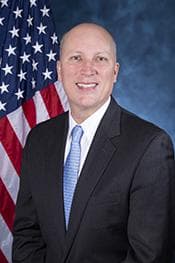
Chip Roy
Republican Representative
Texas
Cosponsors (109)
Sheri Biggs (Republican)Diana Harshbarger (Republican)Paul A. Gosar (Republican)Barry Moore (Republican)Adrian Smith (Republican)David Kustoff (Republican)Clay Higgins (Republican)Ryan K. Zinke (Republican)Eric A. "Rick" Crawford (Republican)Tim Burchett (Republican)Guy Reschenthaler (Republican)Ashley Hinson (Republican)Jefferson Van Drew (Republican)David J. Taylor (Republican)Scott Franklin (Republican)Rick W. Allen (Republican)Elijah Crane (Republican)Mark Alford (Republican)Thomas P. Tiffany (Republican)Darin LaHood (Republican)Lance Gooden (Republican)Mike Collins (Republican)Keith Self (Republican)Glenn Thompson (Republican)Claudia Tenney (Republican)Beth Van Duyne (Republican)Aaron Bean (Republican)Andrew Ogles (Republican)Derek Schmidt (Republican)Young Kim (Republican)William R. Timmons (Republican)Tom McClintock (Republican)Pete Sessions (Republican)Andy Biggs (Republican)Brandon Gill (Republican)John James (Republican)Earl L. "Buddy" Carter (Republican)Michael A. Rulli (Republican)Brian Jack (Republican)Scott Perry (Republican)Gus M. Bilirakis (Republican)Anna Paulina Luna (Republican)Steve Scalise (Republican)Matt Van Epps (Republican)Daniel Meuser (Republican)David P. Joyce (Republican)Jodey C. Arrington (Republican)Jake Ellzey (Republican)Ann Wagner (Republican)Mike Kelly (Republican)Nancy Mace (Republican)Roger Williams (Republican)Mike Kennedy (Republican)Kat Cammack (Republican)Tony Wied (Republican)Nicholas A. Langworthy (Republican)W. Gregory Steube (Republican)John R. Moolenaar (Republican)Mark B. Messmer (Republican)Harriet M. Hageman (Republican)Michael Cloud (Republican)August Pfluger (Republican)Mike Haridopolos (Republican)Lauren Boebert (Republican)Nicholas J. Begich (Republican)Byron Donalds (Republican)Gary J. Palmer (Republican)Julia Letlow (Republican)Troy Downing (Republican)Mary E. Miller (Republican)Tony Gonzales (Republican)Abraham J. Hamadeh (Republican)Sam Graves (Republican)Mike Bost (Republican)Russell Fry (Republican)Scott DesJarlais (Republican)Michael K. Simpson (Republican)Randy Fine (Republican)Dale W. Strong (Republican)Addison P. McDowell (Republican)Riley M. Moore (Republican)Wesley Hunt (Republican)John W. Rose (Republican)Tom Emmer (Republican)Dan Crenshaw (Republican)Max L. Miller (Republican)Randy Feenstra (Republican)Marlin A. Stutzman (Republican)John J. McGuire (Republican)Kevin Hern (Republican)Burgess Owens (Republican)Randy K. Sr. Weber (Republican)Ben Cline (Republican)Chuck Edwards (Republican)Mark Harris (Republican)Ralph Norman (Republican)Erin Houchin (Republican)Andrew S. Clyde (Republican)Jimmy Patronis (Republican)Josh Brecheen (Republican)Julie Fedorchak (Republican)Michelle Fischbach (Republican)Jennifer A. Kiggans (Republican)Brian Babin (Republican)Tim Moore (Republican)Cory Mills (Republican)Michael Guest (Republican)Nicole Malliotakis (Republican)Craig A. Goldman (Republican)
Committee on House Administration
- Introduced
- In Committee
- On Floor
- Passed Chamber
- Enacted
The Safeguard American Voter Eligibility Act significantly amends the National Voter Registration Act of 1993 to impose new requirements for voter registration and voting in federal elections. Its primary purpose is to ensure that only United States citizens are registered to vote and cast ballots in federal contests. This is achieved by mandating documentary proof of citizenship during the voter registration process and requiring specific photo identification at the polls. For voter registration, the bill defines various forms of documentary proof of United States citizenship , including a REAL ID indicating citizenship, a valid U.S. passport, or a government-issued photo ID combined with a certified birth certificate or naturalization document. States would be prohibited from accepting registration applications for federal office without this proof. The legislation also modifies existing registration methods, such as motor vehicle driver's license applications and national mail voter registration forms, to incorporate these new citizenship verification requirements. Furthermore, the bill requires states to establish processes for applicants who cannot provide immediate documentary proof, allowing them to submit an attestation under penalty of perjury along with other evidence for official determination. States must also implement ongoing programs, potentially utilizing federal databases like the Systematic Alien Verification for Entitlements (SAVE) system, to identify and remove non-citizens from voter rolls. Federal agencies are obligated to share citizenship verification information with state election officials upon request, and the Department of Homeland Security is directed to investigate unlawfully registered aliens for removal proceedings. Beyond registration, the Act mandates that individuals voting in federal elections present an eligible photo identification document . This document must contain a photograph, indicate U.S. citizenship on its face, and include an identification number or the last four digits of a Social Security number. For in-person voting, a tangible ID is required, while absentee voters must submit a copy of their ID with both their ballot request and their submitted ballot. Certain exemptions apply for voters in states that consistently use the SAVE system and verify citizenship on their voter rolls. The bill also introduces new criminal penalties for election officials who register applicants without the required documentary proof of citizenship and for executive branch employees who provide material assistance to non-citizens attempting to register or vote. The Election Assistance Commission is tasked with issuing guidance for implementing these new requirements. These provisions are set to take effect immediately upon enactment, applying to all voter registration applications and federal elections thereafter.
Suggested Questions
Get AI-generated questions to help you understand this bill better
Timeline
Introduced in House
Referred to the House Committee on House Administration.
Government Operations and Politics
SAVE America Act
USA119th CongressHR-7296| House
| Updated: 1/30/2026
The Safeguard American Voter Eligibility Act significantly amends the National Voter Registration Act of 1993 to impose new requirements for voter registration and voting in federal elections. Its primary purpose is to ensure that only United States citizens are registered to vote and cast ballots in federal contests. This is achieved by mandating documentary proof of citizenship during the voter registration process and requiring specific photo identification at the polls. For voter registration, the bill defines various forms of documentary proof of United States citizenship , including a REAL ID indicating citizenship, a valid U.S. passport, or a government-issued photo ID combined with a certified birth certificate or naturalization document. States would be prohibited from accepting registration applications for federal office without this proof. The legislation also modifies existing registration methods, such as motor vehicle driver's license applications and national mail voter registration forms, to incorporate these new citizenship verification requirements. Furthermore, the bill requires states to establish processes for applicants who cannot provide immediate documentary proof, allowing them to submit an attestation under penalty of perjury along with other evidence for official determination. States must also implement ongoing programs, potentially utilizing federal databases like the Systematic Alien Verification for Entitlements (SAVE) system, to identify and remove non-citizens from voter rolls. Federal agencies are obligated to share citizenship verification information with state election officials upon request, and the Department of Homeland Security is directed to investigate unlawfully registered aliens for removal proceedings. Beyond registration, the Act mandates that individuals voting in federal elections present an eligible photo identification document . This document must contain a photograph, indicate U.S. citizenship on its face, and include an identification number or the last four digits of a Social Security number. For in-person voting, a tangible ID is required, while absentee voters must submit a copy of their ID with both their ballot request and their submitted ballot. Certain exemptions apply for voters in states that consistently use the SAVE system and verify citizenship on their voter rolls. The bill also introduces new criminal penalties for election officials who register applicants without the required documentary proof of citizenship and for executive branch employees who provide material assistance to non-citizens attempting to register or vote. The Election Assistance Commission is tasked with issuing guidance for implementing these new requirements. These provisions are set to take effect immediately upon enactment, applying to all voter registration applications and federal elections thereafter.
Suggested Questions
Get AI-generated questions to help you understand this bill better
Timeline
Introduced in House
Referred to the House Committee on House Administration.
Chip Roy
Republican Representative
Texas
Cosponsors (109)
Sheri Biggs (Republican)Diana Harshbarger (Republican)Paul A. Gosar (Republican)Barry Moore (Republican)Adrian Smith (Republican)David Kustoff (Republican)Clay Higgins (Republican)Ryan K. Zinke (Republican)Eric A. "Rick" Crawford (Republican)Tim Burchett (Republican)Guy Reschenthaler (Republican)Ashley Hinson (Republican)Jefferson Van Drew (Republican)David J. Taylor (Republican)Scott Franklin (Republican)Rick W. Allen (Republican)Elijah Crane (Republican)Mark Alford (Republican)Thomas P. Tiffany (Republican)Darin LaHood (Republican)Lance Gooden (Republican)Mike Collins (Republican)Keith Self (Republican)Glenn Thompson (Republican)Claudia Tenney (Republican)Beth Van Duyne (Republican)Aaron Bean (Republican)Andrew Ogles (Republican)Derek Schmidt (Republican)Young Kim (Republican)William R. Timmons (Republican)Tom McClintock (Republican)Pete Sessions (Republican)Andy Biggs (Republican)Brandon Gill (Republican)John James (Republican)Earl L. "Buddy" Carter (Republican)Michael A. Rulli (Republican)Brian Jack (Republican)Scott Perry (Republican)Gus M. Bilirakis (Republican)Anna Paulina Luna (Republican)Steve Scalise (Republican)Matt Van Epps (Republican)Daniel Meuser (Republican)David P. Joyce (Republican)Jodey C. Arrington (Republican)Jake Ellzey (Republican)Ann Wagner (Republican)Mike Kelly (Republican)Nancy Mace (Republican)Roger Williams (Republican)Mike Kennedy (Republican)Kat Cammack (Republican)Tony Wied (Republican)Nicholas A. Langworthy (Republican)W. Gregory Steube (Republican)John R. Moolenaar (Republican)Mark B. Messmer (Republican)Harriet M. Hageman (Republican)Michael Cloud (Republican)August Pfluger (Republican)Mike Haridopolos (Republican)Lauren Boebert (Republican)Nicholas J. Begich (Republican)Byron Donalds (Republican)Gary J. Palmer (Republican)Julia Letlow (Republican)Troy Downing (Republican)Mary E. Miller (Republican)Tony Gonzales (Republican)Abraham J. Hamadeh (Republican)Sam Graves (Republican)Mike Bost (Republican)Russell Fry (Republican)Scott DesJarlais (Republican)Michael K. Simpson (Republican)Randy Fine (Republican)Dale W. Strong (Republican)Addison P. McDowell (Republican)Riley M. Moore (Republican)Wesley Hunt (Republican)John W. Rose (Republican)Tom Emmer (Republican)Dan Crenshaw (Republican)Max L. Miller (Republican)Randy Feenstra (Republican)Marlin A. Stutzman (Republican)John J. McGuire (Republican)Kevin Hern (Republican)Burgess Owens (Republican)Randy K. Sr. Weber (Republican)Ben Cline (Republican)Chuck Edwards (Republican)Mark Harris (Republican)Ralph Norman (Republican)Erin Houchin (Republican)Andrew S. Clyde (Republican)Jimmy Patronis (Republican)Josh Brecheen (Republican)Julie Fedorchak (Republican)Michelle Fischbach (Republican)Jennifer A. Kiggans (Republican)Brian Babin (Republican)Tim Moore (Republican)Cory Mills (Republican)Michael Guest (Republican)Nicole Malliotakis (Republican)Craig A. Goldman (Republican)
Committee on House Administration
Government Operations and Politics
- Introduced
- In Committee
- On Floor
- Passed Chamber
- Enacted