Motor Vehicle Modernization Act of 2026
USA119th CongressHR-7389| House
| Updated: 2/10/2026
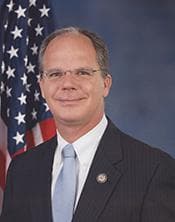
Brett Guthrie
Republican Representative
Kentucky
Commerce, Manufacturing, and Trade Subcommittee, Energy and Commerce Committee
- Introduced
- In Committee
- On Floor
- Passed Chamber
- Enacted
This bill, titled the "Motor Vehicle Modernization Act of 2026," seeks to update and improve the National Highway Traffic Safety Administration's (NHTSA) motor vehicle safety programs. A central provision establishes an Office of the New Car Assessment Program (NCAP Office) within NHTSA, led by an Associate Administrator with expertise in motor vehicle safety. This office will administer the NCAP, develop roadmaps, manage a voluntary performance testing program for manufacturers, and conduct crucial consumer education activities to promote awareness of safety technologies. To further enhance the NCAP, the bill mandates the creation of an NCAP Advisory Committee , comprising 18 members from diverse stakeholders including consumer groups, manufacturers, and academia. This committee will provide independent advice, evaluate safety technologies, and recommend new technologies for NCAP inclusion. Additionally, the legislation requires the Administrator to conduct a comprehensive review of existing motor vehicle safety standards every four years, assessing their effectiveness, considering technological advancements, and soliciting public feedback to determine if revisions or eliminations are necessary. The bill also focuses on improving rulemaking efficiency and accountability, requiring NHTSA to develop a 36-month motor vehicle safety rulemaking and research priority plan , which must be submitted to Congress and published every two years. It streamlines the process for general exemptions, increasing the vehicle limit from 2,500 to 90,000 for certain exemptions and setting a 5-year maximum period. Furthermore, it modernizes recall notification procedures by allowing electronic communication while preserving the option for certified mail upon request, and mandates a study to identify and address factors hindering recall completion rates. Addressing emerging technologies, the bill establishes a working group to develop recommendations for consumer education on motor vehicle automation , distinguishing between lower-level driver assistance systems and fully automated driving systems. It also calls for several key studies, including one by the National Academies on passenger motor vehicle ownership costs and vehicle age trends. Other studies will examine the feasibility of automated wheelchair securement systems, the modernization of Vehicle Identification Numbers (VINs) to include new vehicle attributes, and factors related to post-crash occupant extraction. To facilitate these studies and recommendations, the bill establishes a Motor Vehicle Fire Rescue Working Group to advise on safe and efficient post-crash access for first responders, considering vehicle design and battery safety. It also requires the Administrator to update procedures for rulemakings and reporting to incorporate recognized project schedule management practices. Finally, certain research and information solicitation activities by NHTSA and the NCAP Advisory Committee are exempted from the Paperwork Reduction Act to enhance efficiency.
View Full TextSuggested Questions
Get AI-generated questions to help you understand this bill better
Timeline
Introduced in House
Referred to the House Committee on Energy and Commerce.
Referred to the Subcommittee on Commerce, Manufacturing, and Trade.
Forwarded by Subcommittee to Full Committee (Amended) by Voice Vote.
Subcommittee Consideration and Mark-up Session Held
Transportation and Public Works
Motor Vehicle Modernization Act of 2026
USA119th CongressHR-7389| House
| Updated: 2/10/2026
This bill, titled the "Motor Vehicle Modernization Act of 2026," seeks to update and improve the National Highway Traffic Safety Administration's (NHTSA) motor vehicle safety programs. A central provision establishes an Office of the New Car Assessment Program (NCAP Office) within NHTSA, led by an Associate Administrator with expertise in motor vehicle safety. This office will administer the NCAP, develop roadmaps, manage a voluntary performance testing program for manufacturers, and conduct crucial consumer education activities to promote awareness of safety technologies. To further enhance the NCAP, the bill mandates the creation of an NCAP Advisory Committee , comprising 18 members from diverse stakeholders including consumer groups, manufacturers, and academia. This committee will provide independent advice, evaluate safety technologies, and recommend new technologies for NCAP inclusion. Additionally, the legislation requires the Administrator to conduct a comprehensive review of existing motor vehicle safety standards every four years, assessing their effectiveness, considering technological advancements, and soliciting public feedback to determine if revisions or eliminations are necessary. The bill also focuses on improving rulemaking efficiency and accountability, requiring NHTSA to develop a 36-month motor vehicle safety rulemaking and research priority plan , which must be submitted to Congress and published every two years. It streamlines the process for general exemptions, increasing the vehicle limit from 2,500 to 90,000 for certain exemptions and setting a 5-year maximum period. Furthermore, it modernizes recall notification procedures by allowing electronic communication while preserving the option for certified mail upon request, and mandates a study to identify and address factors hindering recall completion rates. Addressing emerging technologies, the bill establishes a working group to develop recommendations for consumer education on motor vehicle automation , distinguishing between lower-level driver assistance systems and fully automated driving systems. It also calls for several key studies, including one by the National Academies on passenger motor vehicle ownership costs and vehicle age trends. Other studies will examine the feasibility of automated wheelchair securement systems, the modernization of Vehicle Identification Numbers (VINs) to include new vehicle attributes, and factors related to post-crash occupant extraction. To facilitate these studies and recommendations, the bill establishes a Motor Vehicle Fire Rescue Working Group to advise on safe and efficient post-crash access for first responders, considering vehicle design and battery safety. It also requires the Administrator to update procedures for rulemakings and reporting to incorporate recognized project schedule management practices. Finally, certain research and information solicitation activities by NHTSA and the NCAP Advisory Committee are exempted from the Paperwork Reduction Act to enhance efficiency.
View Full TextSuggested Questions
Get AI-generated questions to help you understand this bill better
Timeline
Introduced in House
Referred to the House Committee on Energy and Commerce.
Referred to the Subcommittee on Commerce, Manufacturing, and Trade.
Forwarded by Subcommittee to Full Committee (Amended) by Voice Vote.
Subcommittee Consideration and Mark-up Session Held
Brett Guthrie
Republican Representative
Kentucky
Commerce, Manufacturing, and Trade Subcommittee, Energy and Commerce Committee
Transportation and Public Works
- Introduced
- In Committee
- On Floor
- Passed Chamber
- Enacted