Veterans’ ACCESS Act of 2025
USA119th CongressHR-740| House
| Updated: 7/23/2025
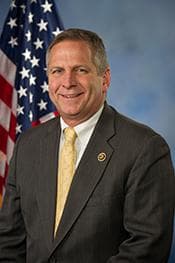
Mike Bost
Republican Representative
Illinois
Cosponsors (79)
Sheri Biggs (Republican)David Kustoff (Republican)Richard McCormick (Republican)Ashley Hinson (Republican)Jeff Crank (Republican)Kimberlyn King-Hinds (Republican)Gregory F. Murphy (Republican)Jefferson Van Drew (Republican)David J. Taylor (Republican)Scott Franklin (Republican)Elijah Crane (Republican)Thomas P. Tiffany (Republican)Zachary Nunn (Republican)Mike Collins (Republican)Mike Ezell (Republican)Michael Baumgartner (Republican)Claudia Tenney (Republican)Mariannette Miller-Meeks (Republican)Derek Schmidt (Republican)William R. Timmons (Republican)Andy Biggs (Republican)John James (Republican)Earl L. "Buddy" Carter (Republican)Jeff Hurd (Republican)Michael A. Rulli (Republican)Thomas Massie (Republican)Rudy Yakym (Republican)Morgan Luttrell (Republican)Gus M. Bilirakis (Republican)Jefferson Shreve (Republican)Pat Fallon (Republican)Nancy Mace (Republican)Roger Williams (Republican)Kat Cammack (Republican)John Joyce (Republican)Brad Finstad (Republican)Cliff Bentz (Republican)Nicholas A. Langworthy (Republican)Bruce Westerman (Republican)John H. Rutherford (Republican)Mark B. Messmer (Republican)Laurel M. Lee (Republican)Daniel Webster (Republican)August Pfluger (Republican)Mike Haridopolos (Republican)Nicholas J. Begich (Republican)Byron Donalds (Republican)Mark E. Amodei (Republican)Troy Downing (Republican)Tony Gonzales (Republican)Aumua Amata Coleman Radewagen (Republican)Abraham J. Hamadeh (Republican)Russell Fry (Republican)Scott DesJarlais (Republican)Pete Stauber (Republican)Randy Fine (Republican)Dale W. Strong (Republican)Addison P. McDowell (Republican)Cleo Fields (Democratic)Wesley Hunt (Republican)Derrick Van Orden (Republican)Dan Crenshaw (Republican)Bennie G. Thompson (Democratic)Max L. Miller (Republican)Jay Obernolte (Republican)Randy Feenstra (Republican)Juan Ciscomani (Republican)Marlin A. Stutzman (Republican)John J. McGuire (Republican)Tom Barrett (Republican)Monica De La Cruz (Republican)Michael Lawler (Republican)Jack Bergman (Republican)Michelle Fischbach (Republican)Jennifer A. Kiggans (Republican)Tim Moore (Republican)Cory Mills (Republican)Nicole Malliotakis (Republican)Vern Buchanan (Republican)
Veterans' Affairs Committee
- Introduced
- In Committee
- On Floor
- Passed Chamber
- Enacted
The "Veterans' Assuring Critical Care Expansions to Support Servicemembers Act of 2025," or "Veterans' ACCESS Act of 2025," aims to enhance the Department of Veterans Affairs (VA) Veterans Community Care Program and improve access to mental health treatment. Title I codifies specific eligibility access standards for community care, defining maximum driving times and wait times for primary, mental health, extended, and specialty care appointments. Notably, it clarifies that telehealth availability will not be considered when determining if the VA can meet these standards, and mandates that if a VA appointment is canceled, wait times for subsequent appointments are calculated from the original request date. The bill also requires documentation of veteran agreement to longer times or distances. To improve transparency and veteran choice, the bill requires the VA to notify veterans in writing of their eligibility for community care within two business days and provide periodic reminders. It further stipulates that the VA must consider a veteran's preference for where, when, and how to seek care , along with continuity of care and the need for a caregiver or attendant, when arranging community care. If a request for community care is denied, the VA must notify the veteran within two business days, providing the reason for denial and instructions on how to appeal. Additionally, the VA must discuss telehealth options with veterans, ensuring they are informed if such care is available, appropriate, and acceptable to them. Title II focuses on improving mental health treatment programs by establishing a standardized screening process for admission to VA mental health residential rehabilitation treatment programs. This process defines clear criteria for priority admission , including significant symptoms, unsafe living situations, suicide risk, and non-responsiveness to other treatments. The bill sets strict timeframes, requiring screening within 48 hours of a request and admission for priority cases within 48 hours of determination. If the VA cannot meet these admission requirements, it must offer the veteran care at an accredited non-Department facility. The legislation mandates the development of performance metrics to track screening and admission timeliness for mental health residential programs, along with an oversight process to assess the quality of care from both VA and non-VA providers. It requires the VA to provide veterans with a list of available residential care locations and offer transportation assistance . A national policy for clinical appeals is established for veterans denied admission or timely bed placement, with a required 72-hour response time. The bill also calls for tracking program availability and wait times, updating staff training, and ensuring robust care coordination and follow-up care, including comprehensive care plans prior to discharge. Title III introduces an initiative for an interactive, online self-service module for veterans, enabling them to request appointments, track referrals, receive reminders, and appeal care denial decisions. It also modifies the VA's Center for Innovation for Care and Payment (CICP), making its establishment mandatory and expanding its mission. A significant provision is the establishment of a three-year pilot program , managed by the CICP, allowing veterans in at least five locations to directly access outpatient mental health and substance use services from community providers without a prior VA referral or pre-authorization, prioritizing sites with high veteran suicide/overdose rates and long VA wait times.
Suggested Questions
Get AI-generated questions to help you understand this bill better
Timeline
Introduced in House
Referred to the House Committee on Veterans' Affairs.
Committee Consideration and Mark-up Session Held
Ordered to be Reported (Amended) by Voice Vote.
Armed Forces and National Security
Administrative remediesCongressional oversightDrug, alcohol, tobacco useEmployment and training programsGovernment information and archivesHealth care coverage and accessHealth information and medical recordsHealth promotion and preventive careHealth technology, devices, suppliesInternet, web applications, social mediaLong-term, rehabilitative, and terminal careMental healthPerformance measurementTransportation costsVeterans' medical careVeterans' organizations and recognition
Veterans’ ACCESS Act of 2025
USA119th CongressHR-740| House
| Updated: 7/23/2025
The "Veterans' Assuring Critical Care Expansions to Support Servicemembers Act of 2025," or "Veterans' ACCESS Act of 2025," aims to enhance the Department of Veterans Affairs (VA) Veterans Community Care Program and improve access to mental health treatment. Title I codifies specific eligibility access standards for community care, defining maximum driving times and wait times for primary, mental health, extended, and specialty care appointments. Notably, it clarifies that telehealth availability will not be considered when determining if the VA can meet these standards, and mandates that if a VA appointment is canceled, wait times for subsequent appointments are calculated from the original request date. The bill also requires documentation of veteran agreement to longer times or distances. To improve transparency and veteran choice, the bill requires the VA to notify veterans in writing of their eligibility for community care within two business days and provide periodic reminders. It further stipulates that the VA must consider a veteran's preference for where, when, and how to seek care , along with continuity of care and the need for a caregiver or attendant, when arranging community care. If a request for community care is denied, the VA must notify the veteran within two business days, providing the reason for denial and instructions on how to appeal. Additionally, the VA must discuss telehealth options with veterans, ensuring they are informed if such care is available, appropriate, and acceptable to them. Title II focuses on improving mental health treatment programs by establishing a standardized screening process for admission to VA mental health residential rehabilitation treatment programs. This process defines clear criteria for priority admission , including significant symptoms, unsafe living situations, suicide risk, and non-responsiveness to other treatments. The bill sets strict timeframes, requiring screening within 48 hours of a request and admission for priority cases within 48 hours of determination. If the VA cannot meet these admission requirements, it must offer the veteran care at an accredited non-Department facility. The legislation mandates the development of performance metrics to track screening and admission timeliness for mental health residential programs, along with an oversight process to assess the quality of care from both VA and non-VA providers. It requires the VA to provide veterans with a list of available residential care locations and offer transportation assistance . A national policy for clinical appeals is established for veterans denied admission or timely bed placement, with a required 72-hour response time. The bill also calls for tracking program availability and wait times, updating staff training, and ensuring robust care coordination and follow-up care, including comprehensive care plans prior to discharge. Title III introduces an initiative for an interactive, online self-service module for veterans, enabling them to request appointments, track referrals, receive reminders, and appeal care denial decisions. It also modifies the VA's Center for Innovation for Care and Payment (CICP), making its establishment mandatory and expanding its mission. A significant provision is the establishment of a three-year pilot program , managed by the CICP, allowing veterans in at least five locations to directly access outpatient mental health and substance use services from community providers without a prior VA referral or pre-authorization, prioritizing sites with high veteran suicide/overdose rates and long VA wait times.
Suggested Questions
Get AI-generated questions to help you understand this bill better
Timeline
Introduced in House
Referred to the House Committee on Veterans' Affairs.
Committee Consideration and Mark-up Session Held
Ordered to be Reported (Amended) by Voice Vote.
Mike Bost
Republican Representative
Illinois
Cosponsors (79)
Sheri Biggs (Republican)David Kustoff (Republican)Richard McCormick (Republican)Ashley Hinson (Republican)Jeff Crank (Republican)Kimberlyn King-Hinds (Republican)Gregory F. Murphy (Republican)Jefferson Van Drew (Republican)David J. Taylor (Republican)Scott Franklin (Republican)Elijah Crane (Republican)Thomas P. Tiffany (Republican)Zachary Nunn (Republican)Mike Collins (Republican)Mike Ezell (Republican)Michael Baumgartner (Republican)Claudia Tenney (Republican)Mariannette Miller-Meeks (Republican)Derek Schmidt (Republican)William R. Timmons (Republican)Andy Biggs (Republican)John James (Republican)Earl L. "Buddy" Carter (Republican)Jeff Hurd (Republican)Michael A. Rulli (Republican)Thomas Massie (Republican)Rudy Yakym (Republican)Morgan Luttrell (Republican)Gus M. Bilirakis (Republican)Jefferson Shreve (Republican)Pat Fallon (Republican)Nancy Mace (Republican)Roger Williams (Republican)Kat Cammack (Republican)John Joyce (Republican)Brad Finstad (Republican)Cliff Bentz (Republican)Nicholas A. Langworthy (Republican)Bruce Westerman (Republican)John H. Rutherford (Republican)Mark B. Messmer (Republican)Laurel M. Lee (Republican)Daniel Webster (Republican)August Pfluger (Republican)Mike Haridopolos (Republican)Nicholas J. Begich (Republican)Byron Donalds (Republican)Mark E. Amodei (Republican)Troy Downing (Republican)Tony Gonzales (Republican)Aumua Amata Coleman Radewagen (Republican)Abraham J. Hamadeh (Republican)Russell Fry (Republican)Scott DesJarlais (Republican)Pete Stauber (Republican)Randy Fine (Republican)Dale W. Strong (Republican)Addison P. McDowell (Republican)Cleo Fields (Democratic)Wesley Hunt (Republican)Derrick Van Orden (Republican)Dan Crenshaw (Republican)Bennie G. Thompson (Democratic)Max L. Miller (Republican)Jay Obernolte (Republican)Randy Feenstra (Republican)Juan Ciscomani (Republican)Marlin A. Stutzman (Republican)John J. McGuire (Republican)Tom Barrett (Republican)Monica De La Cruz (Republican)Michael Lawler (Republican)Jack Bergman (Republican)Michelle Fischbach (Republican)Jennifer A. Kiggans (Republican)Tim Moore (Republican)Cory Mills (Republican)Nicole Malliotakis (Republican)Vern Buchanan (Republican)
Veterans' Affairs Committee
Armed Forces and National Security
Related Bills
- Introduced
- In Committee
- On Floor
- Passed Chamber
- Enacted
Administrative remediesCongressional oversightDrug, alcohol, tobacco useEmployment and training programsGovernment information and archivesHealth care coverage and accessHealth information and medical recordsHealth promotion and preventive careHealth technology, devices, suppliesInternet, web applications, social mediaLong-term, rehabilitative, and terminal careMental healthPerformance measurementTransportation costsVeterans' medical careVeterans' organizations and recognition