AI Grand Challenges Act of 2026
USA119th CongressHR-7434| House
| Updated: 2/9/2026
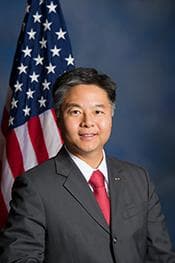
Ted Lieu
Democratic Representative
California
Cosponsors (1)
Science, Space, and Technology Committee
- Introduced
- In Committee
- On Floor
- Passed Chamber
- Enacted
This legislation, known as the AI Grand Challenges Act of 2026, directs the Director of the National Science Foundation (NSF) to establish the AI Grand Challenges Program within 12 months of enactment. This program will award competitive prizes to stimulate artificial intelligence (AI) research, development, and commercialization aimed at solving specific, measurable grand challenges. These challenges span critical areas such as national security, health, energy, environment, and cross-cutting AI issues like robustness, interpretability, and bias mitigation. The Director, in coordination with the National Artificial Intelligence Advisory Committee and other federal agencies, will identify and select these grand challenges, also seeking public input. A key provision mandates the establishment of at least one grand challenge within one year focused on AI-enabled cancer breakthroughs , with a minimum prize award of $10,000,000 per winner. Other prize competitions will award at least $1,000,000 per winner, with the potential for awards exceeding $50,000,000. Eligibility for prize recipients requires private entities to be incorporated and primarily based in the United States, while individuals must be U.S. citizens or permanent residents. The NSF Director is authorized to accept funds from various federal, state, and private sources to support the program, but such support cannot influence the selection of prize winners. The bill also mandates regular reporting to Congress, including details on winning submissions and biennial reports on overall program activities and public engagement efforts. Additionally, the Director of the Office of Science and Technology Policy is tasked with coordinating federal agencies to identify and publish data sets for grand challenges that address foundational scientific problems and can be advanced through AI innovation.
View Full TextSuggested Questions
Get AI-generated questions to help you understand this bill better
Timeline
Introduced in House
Referred to the House Committee on Science, Space, and Technology.
Science, Technology, Communications
AI Grand Challenges Act of 2026
USA119th CongressHR-7434| House
| Updated: 2/9/2026
This legislation, known as the AI Grand Challenges Act of 2026, directs the Director of the National Science Foundation (NSF) to establish the AI Grand Challenges Program within 12 months of enactment. This program will award competitive prizes to stimulate artificial intelligence (AI) research, development, and commercialization aimed at solving specific, measurable grand challenges. These challenges span critical areas such as national security, health, energy, environment, and cross-cutting AI issues like robustness, interpretability, and bias mitigation. The Director, in coordination with the National Artificial Intelligence Advisory Committee and other federal agencies, will identify and select these grand challenges, also seeking public input. A key provision mandates the establishment of at least one grand challenge within one year focused on AI-enabled cancer breakthroughs , with a minimum prize award of $10,000,000 per winner. Other prize competitions will award at least $1,000,000 per winner, with the potential for awards exceeding $50,000,000. Eligibility for prize recipients requires private entities to be incorporated and primarily based in the United States, while individuals must be U.S. citizens or permanent residents. The NSF Director is authorized to accept funds from various federal, state, and private sources to support the program, but such support cannot influence the selection of prize winners. The bill also mandates regular reporting to Congress, including details on winning submissions and biennial reports on overall program activities and public engagement efforts. Additionally, the Director of the Office of Science and Technology Policy is tasked with coordinating federal agencies to identify and publish data sets for grand challenges that address foundational scientific problems and can be advanced through AI innovation.
View Full TextSuggested Questions
Get AI-generated questions to help you understand this bill better
Timeline
Introduced in House
Referred to the House Committee on Science, Space, and Technology.
Ted Lieu
Democratic Representative
California
Cosponsors (1)
Science, Space, and Technology Committee
Science, Technology, Communications
Related Bills
- Introduced
- In Committee
- On Floor
- Passed Chamber
- Enacted