Health Investment Zones Act of 2026
USA119th CongressHR-7496| House
| Updated: 2/11/2026
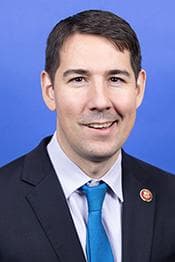
Josh Harder
Democratic Representative
California
Ways and Means Committee, Energy and Commerce Committee, Education and Workforce Committee
- Introduced
- In Committee
- On Floor
- Passed Chamber
- Enacted
The bill, titled the "Health Investment Zones Act of 2026," aims to reduce health disparities and improve health outcomes by establishing Health Investment Zones . The Secretary of Health and Human Services will designate these zones based on applications from community-based nonprofit organizations or local governmental agencies in coalition with healthcare providers. To be eligible, an area must be contiguous and demonstrate significant health disparities, such as lower life expectancy, high rates of low birth weight, or designation as a health professional shortage area. Applications must include a comprehensive plan to address health disparities, reduce healthcare costs, and improve outcomes, utilizing various incentives. The legislation introduces several financial incentives to support these zones. It expands the Work Opportunity Tax Credit to include "qualified Health Investment Zone workers," encouraging employers to hire individuals for healthcare access roles within these zones. A new federal tax credit is also established, allowing qualified Health Investment Zone workers to claim 30 percent of their wages received for work performed in these areas. These tax provisions are designed to attract and retain healthcare professionals in underserved communities. Furthermore, the bill authorizes the Secretary to award grants to designated Health Investment Zones to fund innovative public health strategies. These strategies may include providing subgrants to healthcare practitioners for facility improvements or equipment, supporting internships, improving services for non-English speakers, operating mobile clinics, and enhancing access to healthy food and housing. A student loan repayment program is also created, offering up to $100,000 over ten years for eligible practitioners who commit to providing full-time healthcare services within a Health Investment Zone. To further incentivize healthcare provision, the bill mandates additional Medicare Part B payments for services furnished in Health Investment Zones. This includes a 10 percent increase for all Part B services, an extra 5 percent for services provided in freestanding physician offices or Federally Qualified Health Centers, and an additional 10 percent for specific preventive screenings and chronic care management services. Finally, the Secretary is required to submit a report to Congress after ten years, evaluating the effectiveness of the incentives in attracting practitioners, reducing disparities, improving outcomes, and impacting healthcare access and utilization.
View Full TextSuggested Questions
Get AI-generated questions to help you understand this bill better
Timeline
Introduced in House
Referred to the Committee on Energy and Commerce, and in addition to the Committees on Ways and Means, and Education and Workforce, for a period to be subsequently determined by the Speaker, in each case for consideration of such provisions as fall within the jurisdiction of the committee concerned.
Taxation
Health Investment Zones Act of 2026
USA119th CongressHR-7496| House
| Updated: 2/11/2026
The bill, titled the "Health Investment Zones Act of 2026," aims to reduce health disparities and improve health outcomes by establishing Health Investment Zones . The Secretary of Health and Human Services will designate these zones based on applications from community-based nonprofit organizations or local governmental agencies in coalition with healthcare providers. To be eligible, an area must be contiguous and demonstrate significant health disparities, such as lower life expectancy, high rates of low birth weight, or designation as a health professional shortage area. Applications must include a comprehensive plan to address health disparities, reduce healthcare costs, and improve outcomes, utilizing various incentives. The legislation introduces several financial incentives to support these zones. It expands the Work Opportunity Tax Credit to include "qualified Health Investment Zone workers," encouraging employers to hire individuals for healthcare access roles within these zones. A new federal tax credit is also established, allowing qualified Health Investment Zone workers to claim 30 percent of their wages received for work performed in these areas. These tax provisions are designed to attract and retain healthcare professionals in underserved communities. Furthermore, the bill authorizes the Secretary to award grants to designated Health Investment Zones to fund innovative public health strategies. These strategies may include providing subgrants to healthcare practitioners for facility improvements or equipment, supporting internships, improving services for non-English speakers, operating mobile clinics, and enhancing access to healthy food and housing. A student loan repayment program is also created, offering up to $100,000 over ten years for eligible practitioners who commit to providing full-time healthcare services within a Health Investment Zone. To further incentivize healthcare provision, the bill mandates additional Medicare Part B payments for services furnished in Health Investment Zones. This includes a 10 percent increase for all Part B services, an extra 5 percent for services provided in freestanding physician offices or Federally Qualified Health Centers, and an additional 10 percent for specific preventive screenings and chronic care management services. Finally, the Secretary is required to submit a report to Congress after ten years, evaluating the effectiveness of the incentives in attracting practitioners, reducing disparities, improving outcomes, and impacting healthcare access and utilization.
View Full TextSuggested Questions
Get AI-generated questions to help you understand this bill better
Timeline
Introduced in House
Referred to the Committee on Energy and Commerce, and in addition to the Committees on Ways and Means, and Education and Workforce, for a period to be subsequently determined by the Speaker, in each case for consideration of such provisions as fall within the jurisdiction of the committee concerned.
Josh Harder
Democratic Representative
California
Ways and Means Committee, Energy and Commerce Committee, Education and Workforce Committee
Taxation
Related Bills
- Introduced
- In Committee
- On Floor
- Passed Chamber
- Enacted