SCAM Act
USA119th CongressHR-7548| House
| Updated: 2/12/2026
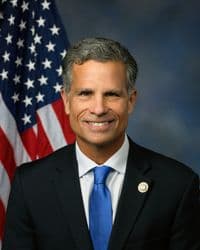
Daniel Meuser
Republican Representative
Pennsylvania
Cosponsors (4)
Energy and Commerce Committee
- Introduced
- In Committee
- On Floor
- Passed Chamber
- Enacted
The Safeguarding Consumers from Advertising Misconduct Act, or SCAM Act, aims to combat the proliferation of fraudulent and deceptive commercial advertisements on online platforms. It makes it unlawful for an online platform to display such an advertisement if it accepted payment for it and failed to take reasonable steps to prevent its availability. These reasonable steps include establishing procedures for advertiser identity verification , implementing an active impersonation detection and mitigation program , and deploying both automated and manual fraudulent ad detection systems. Platforms must also provide a clear tool for users to report suspicious advertisements. Upon receiving a report or detecting a fraudulent ad, platforms are required to conduct an investigation within 72 hours and, if found to be in violation, remove the advertisement within 24 hours of the determination. Online platforms can achieve a presumption of compliance by submitting an approved fraudulent and deceptive commercial advertisement detection program to the Federal Trade Commission (FTC) and demonstrating active enforcement. The bill grants enforcement authority to the FTC , allows state attorneys general to bring civil actions, and establishes a private right of action for individuals injured by violations. Significantly, the Act specifies that Section 230(c)(1) of the Communications Act of 1934, which typically grants immunity to online platforms, shall not apply to violations of this new law. The FTC is also mandated to submit a report assessing the need for additional statutory authority to prevent online scams involving financial transactions.
View Full TextSuggested Questions
Get AI-generated questions to help you understand this bill better
Timeline
Introduced in House
Referred to the House Committee on Energy and Commerce.
Commerce
SCAM Act
USA119th CongressHR-7548| House
| Updated: 2/12/2026
The Safeguarding Consumers from Advertising Misconduct Act, or SCAM Act, aims to combat the proliferation of fraudulent and deceptive commercial advertisements on online platforms. It makes it unlawful for an online platform to display such an advertisement if it accepted payment for it and failed to take reasonable steps to prevent its availability. These reasonable steps include establishing procedures for advertiser identity verification , implementing an active impersonation detection and mitigation program , and deploying both automated and manual fraudulent ad detection systems. Platforms must also provide a clear tool for users to report suspicious advertisements. Upon receiving a report or detecting a fraudulent ad, platforms are required to conduct an investigation within 72 hours and, if found to be in violation, remove the advertisement within 24 hours of the determination. Online platforms can achieve a presumption of compliance by submitting an approved fraudulent and deceptive commercial advertisement detection program to the Federal Trade Commission (FTC) and demonstrating active enforcement. The bill grants enforcement authority to the FTC , allows state attorneys general to bring civil actions, and establishes a private right of action for individuals injured by violations. Significantly, the Act specifies that Section 230(c)(1) of the Communications Act of 1934, which typically grants immunity to online platforms, shall not apply to violations of this new law. The FTC is also mandated to submit a report assessing the need for additional statutory authority to prevent online scams involving financial transactions.
View Full TextSuggested Questions
Get AI-generated questions to help you understand this bill better
Timeline
Introduced in House
Referred to the House Committee on Energy and Commerce.
Daniel Meuser
Republican Representative
Pennsylvania
Cosponsors (4)
Energy and Commerce Committee
Commerce
Related Bills
- Introduced
- In Committee
- On Floor
- Passed Chamber
- Enacted