SHADOW Act
USA119th CongressHR-7632| House
| Updated: 2/20/2026
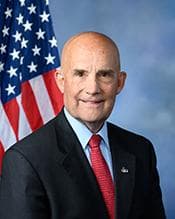
Keith Self
Republican Representative
Texas
Cosponsors (4)
Foreign Affairs Committee
- Introduced
- In Committee
- On Floor
- Passed Chamber
- Enacted
This bill aims to enhance the United States' ability to counter hybrid warfare activities by directing the Secretary of State to assess the growing threat of such activities, particularly in Europe. It mandates diplomatic engagement with foreign governments to promote transatlantic cooperation in countering these threats and encourages closer information sharing with NATO allies. This includes sharing intelligence on Chinese and Russian cyber campaigns and developing common attribution language and response options. A central provision is the designation of a Coordinator for Hybrid Warfare Accountability within the Department of State, who will report to the Under Secretary for Political Affairs. This Coordinator will be responsible for assessing and disseminating information on hybrid warfare, identifying operational gaps, and coordinating with NATO and other key partners like South Korea and Japan. The role also involves supporting resilience and de-risking efforts with allies in sectors vulnerable to foreign coercion, such as critical infrastructure and telecommunications. The Coordinator is required to submit an initial plan and annual reports to Congress detailing key assessments, progress on interagency and allied coordination, and measures taken to support resilience. Furthermore, the bill mandates a report identifying Chinese entities materially supporting Russia's defense industrial base . This report must recommend appropriate sanctions, export controls, or other measures to address such support, with an unclassified portion to be published publicly by the Department of State.
View Full TextSuggested Questions
Get AI-generated questions to help you understand this bill better
Timeline
Introduced in House
Referred to the House Committee on Foreign Affairs.
International Affairs
SHADOW Act
USA119th CongressHR-7632| House
| Updated: 2/20/2026
This bill aims to enhance the United States' ability to counter hybrid warfare activities by directing the Secretary of State to assess the growing threat of such activities, particularly in Europe. It mandates diplomatic engagement with foreign governments to promote transatlantic cooperation in countering these threats and encourages closer information sharing with NATO allies. This includes sharing intelligence on Chinese and Russian cyber campaigns and developing common attribution language and response options. A central provision is the designation of a Coordinator for Hybrid Warfare Accountability within the Department of State, who will report to the Under Secretary for Political Affairs. This Coordinator will be responsible for assessing and disseminating information on hybrid warfare, identifying operational gaps, and coordinating with NATO and other key partners like South Korea and Japan. The role also involves supporting resilience and de-risking efforts with allies in sectors vulnerable to foreign coercion, such as critical infrastructure and telecommunications. The Coordinator is required to submit an initial plan and annual reports to Congress detailing key assessments, progress on interagency and allied coordination, and measures taken to support resilience. Furthermore, the bill mandates a report identifying Chinese entities materially supporting Russia's defense industrial base . This report must recommend appropriate sanctions, export controls, or other measures to address such support, with an unclassified portion to be published publicly by the Department of State.
View Full TextSuggested Questions
Get AI-generated questions to help you understand this bill better
Timeline
Introduced in House
Referred to the House Committee on Foreign Affairs.