Fighting Budget Waste Act
USA119th CongressHR-829| House
| Updated: 1/31/2025
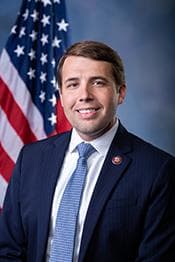
Chris Pappas
Democratic Representative
New Hampshire
Cosponsors (9)
Budget Committee
- Introduced
- In Committee
- On Floor
- Passed Chamber
- Enacted
The "Fighting Budget Waste Act" amends title 31, United States Code, to require the President and the Director of the Office of Management and Budget (OMB) to consider the most recent Government Accountability Office (GAO) report when preparing the annual federal budget. This GAO report identifies opportunities to reduce fragmentation, overlap, and duplication within government operations, aiming to improve efficiency and effectiveness. The legislation further mandates that, concurrently with the budget submission to Congress, the OMB Director must provide a separate report. This accompanying report will detail the OMB's specific findings regarding the GAO's recommendations. The bill's purpose is to formally integrate expert analysis on reducing waste and enhancing government performance into the federal budget planning and accountability process.
Suggested Questions
Get AI-generated questions to help you understand this bill better
Timeline
Introduced in House
Referred to the House Committee on the Budget.
Economics and Public Finance
Budget processOffice of Management and Budget (OMB)Presidents and presidential powers, Vice Presidents
Fighting Budget Waste Act
USA119th CongressHR-829| House
| Updated: 1/31/2025
The "Fighting Budget Waste Act" amends title 31, United States Code, to require the President and the Director of the Office of Management and Budget (OMB) to consider the most recent Government Accountability Office (GAO) report when preparing the annual federal budget. This GAO report identifies opportunities to reduce fragmentation, overlap, and duplication within government operations, aiming to improve efficiency and effectiveness. The legislation further mandates that, concurrently with the budget submission to Congress, the OMB Director must provide a separate report. This accompanying report will detail the OMB's specific findings regarding the GAO's recommendations. The bill's purpose is to formally integrate expert analysis on reducing waste and enhancing government performance into the federal budget planning and accountability process.
Suggested Questions
Get AI-generated questions to help you understand this bill better
Timeline
Introduced in House
Referred to the House Committee on the Budget.
Chris Pappas
Democratic Representative
New Hampshire
Cosponsors (9)
Budget Committee
Economics and Public Finance
- Introduced
- In Committee
- On Floor
- Passed Chamber
- Enacted
Budget processOffice of Management and Budget (OMB)Presidents and presidential powers, Vice Presidents