Black History is American History Act
USA119th CongressHR-844| House
| Updated: 1/31/2025
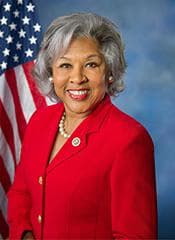
Joyce Beatty
Democratic Representative
Ohio
Cosponsors (60)
Dwight Evans (Democratic)Stacey E. Plaskett (Democratic)Nikema Williams (Democratic)Jonathan L. Jackson (Democratic)Robin L. Kelly (Democratic)Raúl M. Grijalva (Democratic)Robert Menendez (Democratic)Emanuel Cleaver (Democratic)Sanford D. Bishop (Democratic)Shontel M. Brown (Democratic)Frederica S. Wilson (Democratic)Terri A. Sewell (Democratic)Troy A. Carter (Democratic)Steven Horsford (Democratic)Maxwell Frost (Democratic)Debbie Dingell (Democratic)Andrea Salinas (Democratic)Donald G. Davis (Democratic)Shri Thanedar (Democratic)Danny K. Davis (Democratic)Ted Lieu (Democratic)Henry C. "Hank" Johnson (Democratic)Sheila Cherfilus-McCormick (Democratic)Al Green (Democratic)André Carson (Democratic)Stephen F. Lynch (Democratic)Mark DeSaulnier (Democratic)Emilia Strong Sykes (Democratic)Glenn Ivey (Democratic)Marilyn Strickland (Democratic)Daniel S. Goldman (Democratic)Gregory W. Meeks (Democratic)Jahana Hayes (Democratic)LaMonica McIver (Democratic)Alma S. Adams (Democratic)Sydney Kamlager-Dove (Democratic)Lucy McBath (Democratic)Kathy Castor (Democratic)Eleanor Holmes Norton (Democratic)Bonnie Watson Coleman (Democratic)Timothy M. Kennedy (Democratic)Salud O. Carbajal (Democratic)Lois Frankel (Democratic)Diana DeGette (Democratic)Maxine Waters (Democratic)Nydia M. Velázquez (Democratic)James E. Clyburn (Democratic)Seth Magaziner (Democratic)Yvette D. Clarke (Democratic)Rick Larsen (Democratic)Bennie G. Thompson (Democratic)Suzanne Bonamici (Democratic)Nanette Diaz Barragán (Democratic)Grace Meng (Democratic)Valerie P. Foushee (Democratic)Rashida Tlaib (Democratic)Ayanna Pressley (Democratic)Lloyd Doggett (Democratic)Debbie Wasserman Schultz (Democratic)Lauren Underwood (Democratic)
Education and Workforce Committee
- Introduced
- In Committee
- On Floor
- Passed Chamber
- Enacted
The "Black History is American History Act" seeks to ensure the comprehensive integration of the history of peoples of African descent into American education. It authorizes the Secretary of Education to award grants for educational programs that explore African Americans' significant contributions and experiences. These programs would cover their role in the settling and founding of America, the economic and political factors surrounding slavery and its abolition, and their profound impact on U.S. history, literature, economy, politics, laws, and culture. To achieve this, the bill amends the Elementary and Secondary Education Act of 1965 and the National Assessment of Educational Progress Authorization Act . It explicitly requires the inclusion of "Black history" within existing provisions for American history and civics education programs, including those for teachers and students. This ensures Black history is an integral part of the broader American historical narrative, rather than a separate subject. Additionally, the legislation promotes collaboration with the Smithsonian Institution's National Museum of African American History and Culture , utilizing its resources for educators and students. The bill's findings emphasize the integral role African Americans have played since before the nation's founding, their significant population, and their continuous fight against discrimination. It underscores the importance of historically accurate instruction for a complete understanding of American history.
Suggested Questions
Get AI-generated questions to help you understand this bill better
Timeline
Introduced in House
Referred to the House Committee on Education and Workforce.
Education
Academic performance and assessmentsCivics educationEducation programs fundingElementary and secondary educationHigher educationMuseums, exhibitions, cultural centersRacial and ethnic relationsSmithsonian InstitutionTeaching, teachers, curriculaU.S. history
Black History is American History Act
USA119th CongressHR-844| House
| Updated: 1/31/2025
The "Black History is American History Act" seeks to ensure the comprehensive integration of the history of peoples of African descent into American education. It authorizes the Secretary of Education to award grants for educational programs that explore African Americans' significant contributions and experiences. These programs would cover their role in the settling and founding of America, the economic and political factors surrounding slavery and its abolition, and their profound impact on U.S. history, literature, economy, politics, laws, and culture. To achieve this, the bill amends the Elementary and Secondary Education Act of 1965 and the National Assessment of Educational Progress Authorization Act . It explicitly requires the inclusion of "Black history" within existing provisions for American history and civics education programs, including those for teachers and students. This ensures Black history is an integral part of the broader American historical narrative, rather than a separate subject. Additionally, the legislation promotes collaboration with the Smithsonian Institution's National Museum of African American History and Culture , utilizing its resources for educators and students. The bill's findings emphasize the integral role African Americans have played since before the nation's founding, their significant population, and their continuous fight against discrimination. It underscores the importance of historically accurate instruction for a complete understanding of American history.
Suggested Questions
Get AI-generated questions to help you understand this bill better
Timeline
Introduced in House
Referred to the House Committee on Education and Workforce.
Joyce Beatty
Democratic Representative
Ohio
Cosponsors (60)
Dwight Evans (Democratic)Stacey E. Plaskett (Democratic)Nikema Williams (Democratic)Jonathan L. Jackson (Democratic)Robin L. Kelly (Democratic)Raúl M. Grijalva (Democratic)Robert Menendez (Democratic)Emanuel Cleaver (Democratic)Sanford D. Bishop (Democratic)Shontel M. Brown (Democratic)Frederica S. Wilson (Democratic)Terri A. Sewell (Democratic)Troy A. Carter (Democratic)Steven Horsford (Democratic)Maxwell Frost (Democratic)Debbie Dingell (Democratic)Andrea Salinas (Democratic)Donald G. Davis (Democratic)Shri Thanedar (Democratic)Danny K. Davis (Democratic)Ted Lieu (Democratic)Henry C. "Hank" Johnson (Democratic)Sheila Cherfilus-McCormick (Democratic)Al Green (Democratic)André Carson (Democratic)Stephen F. Lynch (Democratic)Mark DeSaulnier (Democratic)Emilia Strong Sykes (Democratic)Glenn Ivey (Democratic)Marilyn Strickland (Democratic)Daniel S. Goldman (Democratic)Gregory W. Meeks (Democratic)Jahana Hayes (Democratic)LaMonica McIver (Democratic)Alma S. Adams (Democratic)Sydney Kamlager-Dove (Democratic)Lucy McBath (Democratic)Kathy Castor (Democratic)Eleanor Holmes Norton (Democratic)Bonnie Watson Coleman (Democratic)Timothy M. Kennedy (Democratic)Salud O. Carbajal (Democratic)Lois Frankel (Democratic)Diana DeGette (Democratic)Maxine Waters (Democratic)Nydia M. Velázquez (Democratic)James E. Clyburn (Democratic)Seth Magaziner (Democratic)Yvette D. Clarke (Democratic)Rick Larsen (Democratic)Bennie G. Thompson (Democratic)Suzanne Bonamici (Democratic)Nanette Diaz Barragán (Democratic)Grace Meng (Democratic)Valerie P. Foushee (Democratic)Rashida Tlaib (Democratic)Ayanna Pressley (Democratic)Lloyd Doggett (Democratic)Debbie Wasserman Schultz (Democratic)Lauren Underwood (Democratic)
Education and Workforce Committee
Education
- Introduced
- In Committee
- On Floor
- Passed Chamber
- Enacted
Academic performance and assessmentsCivics educationEducation programs fundingElementary and secondary educationHigher educationMuseums, exhibitions, cultural centersRacial and ethnic relationsSmithsonian InstitutionTeaching, teachers, curriculaU.S. history