Medicaid Improvement and State Flexibility Act of 2025
USA119th CongressHR-936| House
| Updated: 2/4/2025
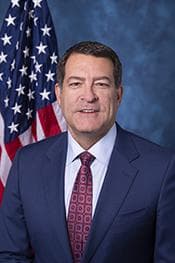
Mark E. Green
Republican Representative
Tennessee
Cosponsors (1)
Energy and Commerce Committee
- Introduced
- In Committee
- On Floor
- Passed Chamber
- Enacted
The Medicaid Improvement and State Flexibility Act of 2025 amends the Social Security Act to empower states to approve and implement specific experimental, pilot, or demonstration projects under the Medicaid program. This legislation shifts authority from the federal government to states for these particular waivers, allowing them to bypass traditional federal approval processes. Under these state-approved projects, participating individuals would receive an electronic benefits transfer card for primary care services and medications. Any remaining funds on this card at year-end would be converted into a cash payment for the individual. Participants would also be enrolled in a catastrophic insurance program to cover other medical services or costs exceeding the EBT card's value. A key condition is that federal expenditures for these projects must be equal to or less than what they would have been without the waiver. The bill also includes restrictions on the use of funds for abortion, with exceptions for life endangerment, rape, or incest, aiming to provide states with greater autonomy in managing certain Medicaid initiatives.
Suggested Questions
Get AI-generated questions to help you understand this bill better
Timeline
Introduced in House
Referred to the House Committee on Energy and Commerce.
Health
Health care costs and insuranceHealth care coverage and accessMedicaidState and local financeState and local government operations
Medicaid Improvement and State Flexibility Act of 2025
USA119th CongressHR-936| House
| Updated: 2/4/2025
The Medicaid Improvement and State Flexibility Act of 2025 amends the Social Security Act to empower states to approve and implement specific experimental, pilot, or demonstration projects under the Medicaid program. This legislation shifts authority from the federal government to states for these particular waivers, allowing them to bypass traditional federal approval processes. Under these state-approved projects, participating individuals would receive an electronic benefits transfer card for primary care services and medications. Any remaining funds on this card at year-end would be converted into a cash payment for the individual. Participants would also be enrolled in a catastrophic insurance program to cover other medical services or costs exceeding the EBT card's value. A key condition is that federal expenditures for these projects must be equal to or less than what they would have been without the waiver. The bill also includes restrictions on the use of funds for abortion, with exceptions for life endangerment, rape, or incest, aiming to provide states with greater autonomy in managing certain Medicaid initiatives.
Suggested Questions
Get AI-generated questions to help you understand this bill better
Timeline
Introduced in House
Referred to the House Committee on Energy and Commerce.
Mark E. Green
Republican Representative
Tennessee
Cosponsors (1)
Energy and Commerce Committee
Health
- Introduced
- In Committee
- On Floor
- Passed Chamber
- Enacted
Health care costs and insuranceHealth care coverage and accessMedicaidState and local financeState and local government operations