Protecting Taxpayers from Student Loan Bailouts Act
USA119th CongressHR-937| House
| Updated: 2/4/2025
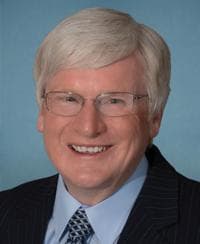
Glenn Grothman
Republican Representative
Wisconsin
Education and Workforce Committee
- Introduced
- In Committee
- On Floor
- Passed Chamber
- Enacted
This bill, known as the "Protecting Taxpayers from Student Loan Bailouts Act," aims to significantly limit the authority of the Secretary of Education regarding new regulations and executive actions. It amends the Higher Education Act of 1965 to introduce new restrictions on the Secretary's ability to implement policies under Title IV. Specifically, the bill prohibits the Secretary from taking further action on any draft regulation , or from issuing any proposed rule, final regulation, or executive action , if it is deemed "economically significant" and would lead to an increase in a subsidy cost . An action is considered "economically significant" if it would have an annual economic effect of $100 million or more, or materially affect the economy, jobs, or communities. These new requirements are in addition to existing cost analysis mandates, ensuring a stricter review process for potential financial impacts.
Suggested Questions
Get AI-generated questions to help you understand this bill better
Timeline
Introduced in House
Referred to the House Committee on Education and Workforce.
Education
Administrative law and regulatory proceduresDepartment of EducationEconomic performance and conditionsGovernment lending and loan guaranteesStudent aid and college costs
Protecting Taxpayers from Student Loan Bailouts Act
USA119th CongressHR-937| House
| Updated: 2/4/2025
This bill, known as the "Protecting Taxpayers from Student Loan Bailouts Act," aims to significantly limit the authority of the Secretary of Education regarding new regulations and executive actions. It amends the Higher Education Act of 1965 to introduce new restrictions on the Secretary's ability to implement policies under Title IV. Specifically, the bill prohibits the Secretary from taking further action on any draft regulation , or from issuing any proposed rule, final regulation, or executive action , if it is deemed "economically significant" and would lead to an increase in a subsidy cost . An action is considered "economically significant" if it would have an annual economic effect of $100 million or more, or materially affect the economy, jobs, or communities. These new requirements are in addition to existing cost analysis mandates, ensuring a stricter review process for potential financial impacts.
Suggested Questions
Get AI-generated questions to help you understand this bill better
Timeline
Introduced in House
Referred to the House Committee on Education and Workforce.
Glenn Grothman
Republican Representative
Wisconsin
Education and Workforce Committee
Education
Related Bills
- Introduced
- In Committee
- On Floor
- Passed Chamber
- Enacted
Administrative law and regulatory proceduresDepartment of EducationEconomic performance and conditionsGovernment lending and loan guaranteesStudent aid and college costs