Calling for the annulment of the Monroe Doctrine and the development of a "New Good Neighbor" policy in order to foster improved relations and deeper, more effective cooperation between the United States and its Latin American and Caribbean neighbors.
USA119th CongressHRES-1056| House
| Updated: 2/10/2026
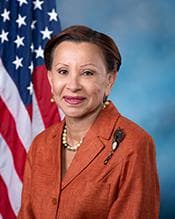
Nydia M. Velázquez
Democratic Representative
New York
Cosponsors (17)
Jonathan L. Jackson (Democratic)Sylvia R. Garcia (Democratic)Mark Pocan (Democratic)Ilhan Omar (Democratic)Delia C. Ramirez (Democratic)Greg Casar (Democratic)Henry C. "Hank" Johnson (Democratic)Adelita S. Grijalva (Democratic)Pramila Jayapal (Democratic)Eleanor Holmes Norton (Democratic)Lateefah Simon (Democratic)Janice D. Schakowsky (Democratic)Alexandria Ocasio-Cortez (Democratic)Summer L. Lee (Democratic)Yvette D. Clarke (Democratic)Jesús G. "Chuy" García (Democratic)Rashida Tlaib (Democratic)
Ways and Means Committee, Foreign Affairs Committee, Financial Services Committee
- Introduced
- In Committee
- On Floor
- Passed Chamber
- Enacted
This resolution advocates for the United States to formally declare the Monroe Doctrine no longer part of its foreign policy towards Latin America and the Caribbean. It highlights how the doctrine, initially intended to oppose European interference, evolved into a justification for extensive U.S. military, economic, and political interventions in the region, often at the expense of sovereign nations and human rights. The resolution cites numerous historical instances, from the Spanish-American War and "Banana Wars" to CIA-backed coups and support for dictatorships, illustrating a pattern of interference that has caused significant harm and instability. In place of the Monroe Doctrine, the resolution proposes developing a "New Good Neighbor" policy designed to foster improved relations and more effective cooperation with all countries in the Western Hemisphere. This new approach would emphasize mutual respect, non-interference, and shared prosperity. It calls for a fundamental shift in U.S. engagement, moving away from past practices of intervention and towards genuine partnership. The proposed policy includes several key measures to promote equitable development and economic justice. These involve developing new approaches to development financing that prioritize grants and concessional lending, supporting technology transfers, and advocating for democratic reforms within international financial institutions like the IMF and World Bank. The resolution also calls for regular issuances of IMF Special Drawing Rights and the creation of a Loss and Damage Trust under the United Nations to support climate action in developing countries. Furthermore, the resolution seeks to end unilateral economic sanctions imposed through executive orders and legislation, such as the Cuba embargo, and to establish robust congressional oversight over future sanctions. It also recommends an automatic review of bilateral assistance following unconstitutional power transfers and the prompt declassification of U.S. government archives related to past coups and human rights abuses in the region. The resolution underscores the importance of respecting international law, national sovereignty, and human rights, explicitly prohibiting extrajudicial killings. Finally, the resolution calls for a comprehensive reform of the Organization of American States (OAS) to ensure accountability, transparency, and independence, particularly concerning its electoral observation and human rights bodies. It also urges the United States to increase cooperation with regional bodies like the Community of Latin American and Caribbean States (CELAC) and the Caribbean Community (CARICOM) to address shared challenges such as climate change, inequality, arms trafficking, and the protection of workers' and Indigenous peoples' rights.
View Full TextSuggested Questions
Get AI-generated questions to help you understand this bill better
Timeline
Bill from Previous Congress
HRES 118-943Calling for the annulment of the Monroe Doctrine and the development of a "New Good Neighbor" policy in order to foster improved relations and deeper, more effective cooperation between the United States and our Latin American and Caribbean neighbors.
Submitted in House
Referred to the Committee on Foreign Affairs, and in addition to the Committees on Financial Services, and Ways and Means, for a period to be subsequently determined by the Speaker, in each case for consideration of such provisions as fall within the jurisdiction of the committee concerned.
International Affairs
Calling for the annulment of the Monroe Doctrine and the development of a "New Good Neighbor" policy in order to foster improved relations and deeper, more effective cooperation between the United States and its Latin American and Caribbean neighbors.
USA119th CongressHRES-1056| House
| Updated: 2/10/2026
This resolution advocates for the United States to formally declare the Monroe Doctrine no longer part of its foreign policy towards Latin America and the Caribbean. It highlights how the doctrine, initially intended to oppose European interference, evolved into a justification for extensive U.S. military, economic, and political interventions in the region, often at the expense of sovereign nations and human rights. The resolution cites numerous historical instances, from the Spanish-American War and "Banana Wars" to CIA-backed coups and support for dictatorships, illustrating a pattern of interference that has caused significant harm and instability. In place of the Monroe Doctrine, the resolution proposes developing a "New Good Neighbor" policy designed to foster improved relations and more effective cooperation with all countries in the Western Hemisphere. This new approach would emphasize mutual respect, non-interference, and shared prosperity. It calls for a fundamental shift in U.S. engagement, moving away from past practices of intervention and towards genuine partnership. The proposed policy includes several key measures to promote equitable development and economic justice. These involve developing new approaches to development financing that prioritize grants and concessional lending, supporting technology transfers, and advocating for democratic reforms within international financial institutions like the IMF and World Bank. The resolution also calls for regular issuances of IMF Special Drawing Rights and the creation of a Loss and Damage Trust under the United Nations to support climate action in developing countries. Furthermore, the resolution seeks to end unilateral economic sanctions imposed through executive orders and legislation, such as the Cuba embargo, and to establish robust congressional oversight over future sanctions. It also recommends an automatic review of bilateral assistance following unconstitutional power transfers and the prompt declassification of U.S. government archives related to past coups and human rights abuses in the region. The resolution underscores the importance of respecting international law, national sovereignty, and human rights, explicitly prohibiting extrajudicial killings. Finally, the resolution calls for a comprehensive reform of the Organization of American States (OAS) to ensure accountability, transparency, and independence, particularly concerning its electoral observation and human rights bodies. It also urges the United States to increase cooperation with regional bodies like the Community of Latin American and Caribbean States (CELAC) and the Caribbean Community (CARICOM) to address shared challenges such as climate change, inequality, arms trafficking, and the protection of workers' and Indigenous peoples' rights.
View Full TextSuggested Questions
Get AI-generated questions to help you understand this bill better
Timeline
Bill from Previous Congress
HRES 118-943Calling for the annulment of the Monroe Doctrine and the development of a "New Good Neighbor" policy in order to foster improved relations and deeper, more effective cooperation between the United States and our Latin American and Caribbean neighbors.
Submitted in House
Referred to the Committee on Foreign Affairs, and in addition to the Committees on Financial Services, and Ways and Means, for a period to be subsequently determined by the Speaker, in each case for consideration of such provisions as fall within the jurisdiction of the committee concerned.
Nydia M. Velázquez
Democratic Representative
New York
Cosponsors (17)
Jonathan L. Jackson (Democratic)Sylvia R. Garcia (Democratic)Mark Pocan (Democratic)Ilhan Omar (Democratic)Delia C. Ramirez (Democratic)Greg Casar (Democratic)Henry C. "Hank" Johnson (Democratic)Adelita S. Grijalva (Democratic)Pramila Jayapal (Democratic)Eleanor Holmes Norton (Democratic)Lateefah Simon (Democratic)Janice D. Schakowsky (Democratic)Alexandria Ocasio-Cortez (Democratic)Summer L. Lee (Democratic)Yvette D. Clarke (Democratic)Jesús G. "Chuy" García (Democratic)Rashida Tlaib (Democratic)
Ways and Means Committee, Foreign Affairs Committee, Financial Services Committee
International Affairs
- Introduced
- In Committee
- On Floor
- Passed Chamber
- Enacted