SAFE Bet Act
USA119th CongressS-1033| Senate
| Updated: 3/13/2025
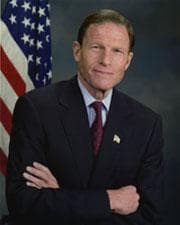
Richard Blumenthal
Democratic Senator
Connecticut
Judiciary Committee
- Introduced
- In Committee
- On Floor
- Passed Chamber
- Enacted
The SAFE Bet Act establishes minimum federal standards for sports betting, requiring states to implement approved programs to legally offer sports wagering. It generally prohibits accepting sports wagers unless through an approved state program or state social gambling law, with states applying to the Attorney General for a three-year approval. This framework aims to ensure consistency and oversight across the expanding sports betting landscape. The bill mandates strict standards for state programs, including prohibitions on proposition bets for amateur or intercollegiate sports and wagers on sporting events once they have commenced . It also bans financial incentives like reload bonuses, tier programs, and VIP programs that link rewards to gambling activity. These measures seek to protect consumers and maintain the integrity of sports. Significant consumer protections are introduced, including state and national self-exclusion lists to prevent individuals from placing wagers, alongside restrictions on withdrawal conditions. Operators must provide clear disclosures on terms, bonuses, and actual odds, and the bill requires affordability checks for high-volume deposits. It also prohibits the use of artificial intelligence for tracking wagers or creating targeted promotions. Advertising for sports wagering operators would be heavily regulated, requiring disclosure of identity and addiction resources, while prohibiting targeting vulnerable individuals or broadcasting during specific hours or live events. Operators must also undergo rigorous licensing processes, including background checks, with strict unsuitability criteria for those with past illegal gambling involvement or criminal convictions. To safeguard contest integrity, sports organizations can request restrictions on wagers, which operators must comply with. The bill also sets standards for authorized data use in determining wager results, mandates detailed recordkeeping, and requires prompt reporting of suspicious transactions to regulatory bodies and sports organizations. Addressing public health, the legislation directs the Secretary of Health and Human Services to conduct annual nationwide surveys on online sports betting and maintain a national self-exclusion list. It also calls for a Surgeon General's report on associated public health challenges and enhances CDC surveillance of gambling disorder. The Act clarifies that its provisions do not preempt stricter state or tribal laws and affirms their taxation authority. Furthermore, states and operators are required to cooperate with federal efforts to eliminate unlicensed offshore gaming facilities and platforms.
View Full TextSuggested Questions
Get AI-generated questions to help you understand this bill better
Timeline
Introduced in Senate
Read twice and referred to the Committee on the Judiciary.
Health
SAFE Bet Act
USA119th CongressS-1033| Senate
| Updated: 3/13/2025
The SAFE Bet Act establishes minimum federal standards for sports betting, requiring states to implement approved programs to legally offer sports wagering. It generally prohibits accepting sports wagers unless through an approved state program or state social gambling law, with states applying to the Attorney General for a three-year approval. This framework aims to ensure consistency and oversight across the expanding sports betting landscape. The bill mandates strict standards for state programs, including prohibitions on proposition bets for amateur or intercollegiate sports and wagers on sporting events once they have commenced . It also bans financial incentives like reload bonuses, tier programs, and VIP programs that link rewards to gambling activity. These measures seek to protect consumers and maintain the integrity of sports. Significant consumer protections are introduced, including state and national self-exclusion lists to prevent individuals from placing wagers, alongside restrictions on withdrawal conditions. Operators must provide clear disclosures on terms, bonuses, and actual odds, and the bill requires affordability checks for high-volume deposits. It also prohibits the use of artificial intelligence for tracking wagers or creating targeted promotions. Advertising for sports wagering operators would be heavily regulated, requiring disclosure of identity and addiction resources, while prohibiting targeting vulnerable individuals or broadcasting during specific hours or live events. Operators must also undergo rigorous licensing processes, including background checks, with strict unsuitability criteria for those with past illegal gambling involvement or criminal convictions. To safeguard contest integrity, sports organizations can request restrictions on wagers, which operators must comply with. The bill also sets standards for authorized data use in determining wager results, mandates detailed recordkeeping, and requires prompt reporting of suspicious transactions to regulatory bodies and sports organizations. Addressing public health, the legislation directs the Secretary of Health and Human Services to conduct annual nationwide surveys on online sports betting and maintain a national self-exclusion list. It also calls for a Surgeon General's report on associated public health challenges and enhances CDC surveillance of gambling disorder. The Act clarifies that its provisions do not preempt stricter state or tribal laws and affirms their taxation authority. Furthermore, states and operators are required to cooperate with federal efforts to eliminate unlicensed offshore gaming facilities and platforms.
View Full TextSuggested Questions
Get AI-generated questions to help you understand this bill better
Timeline
Introduced in Senate
Read twice and referred to the Committee on the Judiciary.
Richard Blumenthal
Democratic Senator
Connecticut
Judiciary Committee
Health
Related Bills
- Introduced
- In Committee
- On Floor
- Passed Chamber
- Enacted