PHIT Act of 2025
USA119th CongressS-1144| Senate
| Updated: 3/26/2025
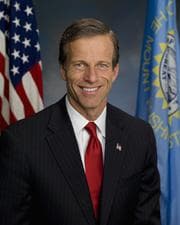
John Thune
Republican Senator
South Dakota
Cosponsors (6)
Finance Committee
- Introduced
- In Committee
- On Floor
- Passed Chamber
- Enacted
The Personal Health Investment Today Act of 2025 aims to amend the Internal Revenue Code of 1986, allowing certain physical activity, fitness, and exercise expenses to be treated as amounts paid for medical care. This legislative change is intended to promote public health and prevent diseases, particularly those linked to being overweight or obese. By providing financial incentives, the bill seeks to encourage healthier lifestyles and increase participation in physical fitness activities. Specifically, the bill introduces **"qualified sports and fitness expenses"** which encompass amounts paid exclusively for participating in physical activity. These expenses can include membership fees for fitness facilities, costs for instruction or participation in physical exercise, and certain equipment used in physical activity programs. An **overall dollar limitation** is set at $1,000 per taxpayer, or $2,000 for those filing a joint return or as a head of household. The bill also defines specific criteria for qualifying fitness facilities and imposes limitations on equipment, such as requiring exclusive use for physical activity and capping single sports equipment items at $250.
View Full TextSuggested Questions
Get AI-generated questions to help you understand this bill better
Timeline
Introduced in Senate
Read twice and referred to the Committee on Finance. (text: CR S1874)
Taxation
PHIT Act of 2025
USA119th CongressS-1144| Senate
| Updated: 3/26/2025
The Personal Health Investment Today Act of 2025 aims to amend the Internal Revenue Code of 1986, allowing certain physical activity, fitness, and exercise expenses to be treated as amounts paid for medical care. This legislative change is intended to promote public health and prevent diseases, particularly those linked to being overweight or obese. By providing financial incentives, the bill seeks to encourage healthier lifestyles and increase participation in physical fitness activities. Specifically, the bill introduces **"qualified sports and fitness expenses"** which encompass amounts paid exclusively for participating in physical activity. These expenses can include membership fees for fitness facilities, costs for instruction or participation in physical exercise, and certain equipment used in physical activity programs. An **overall dollar limitation** is set at $1,000 per taxpayer, or $2,000 for those filing a joint return or as a head of household. The bill also defines specific criteria for qualifying fitness facilities and imposes limitations on equipment, such as requiring exclusive use for physical activity and capping single sports equipment items at $250.
View Full TextSuggested Questions
Get AI-generated questions to help you understand this bill better
Timeline
Introduced in Senate
Read twice and referred to the Committee on Finance. (text: CR S1874)
John Thune
Republican Senator
South Dakota
Cosponsors (6)
Finance Committee
Taxation
Related Bills
- Introduced
- In Committee
- On Floor
- Passed Chamber
- Enacted