Feral Swine Eradication Act
USA119th CongressS-1207| Senate
| Updated: 3/31/2025
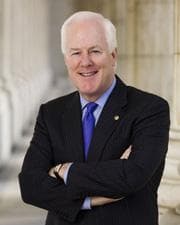
John Cornyn
Republican Senator
Texas
Cosponsors (5)
Agriculture, Nutrition, and Forestry Committee
- Introduced
- In Committee
- On Floor
- Passed Chamber
- Enacted
This legislation amends the Agriculture Improvement Act of 2018 to significantly modify and extend the existing feral swine eradication and control efforts. It removes the "pilot" designation, establishing it as a permanent program aimed at mitigating the threats posed by feral swine to agriculture, native ecosystems, and human or animal health. The bill also redefines "pilot areas" as "eligible areas," which are determined by the Secretary where feral swine pose a significant threat. The bill reauthorizes funding for the program, allocating $75,000,000 for fiscal years 2025 through 2030 , and adjusts the distribution of these funds between the Animal and Plant Health Inspection Service and the Natural Resources Conservation Service. It introduces a new requirement for a one-year monitoring period in eligible areas after feral swine have been eradicated to prevent reoccurrence. Furthermore, the legislation mandates comprehensive reports to Congress every two to four and a half years, detailing program activities, funding utilization, and an assessment of its overall success and recommendations for improvement.
View Full TextSuggested Questions
Get AI-generated questions to help you understand this bill better
Timeline
Introduced in Senate
Read twice and referred to the Committee on Agriculture, Nutrition, and Forestry.
Agriculture and Food
Feral Swine Eradication Act
USA119th CongressS-1207| Senate
| Updated: 3/31/2025
This legislation amends the Agriculture Improvement Act of 2018 to significantly modify and extend the existing feral swine eradication and control efforts. It removes the "pilot" designation, establishing it as a permanent program aimed at mitigating the threats posed by feral swine to agriculture, native ecosystems, and human or animal health. The bill also redefines "pilot areas" as "eligible areas," which are determined by the Secretary where feral swine pose a significant threat. The bill reauthorizes funding for the program, allocating $75,000,000 for fiscal years 2025 through 2030 , and adjusts the distribution of these funds between the Animal and Plant Health Inspection Service and the Natural Resources Conservation Service. It introduces a new requirement for a one-year monitoring period in eligible areas after feral swine have been eradicated to prevent reoccurrence. Furthermore, the legislation mandates comprehensive reports to Congress every two to four and a half years, detailing program activities, funding utilization, and an assessment of its overall success and recommendations for improvement.
View Full TextSuggested Questions
Get AI-generated questions to help you understand this bill better
Timeline
Introduced in Senate
Read twice and referred to the Committee on Agriculture, Nutrition, and Forestry.
John Cornyn
Republican Senator
Texas